How to Buy a Condo in Oceanside
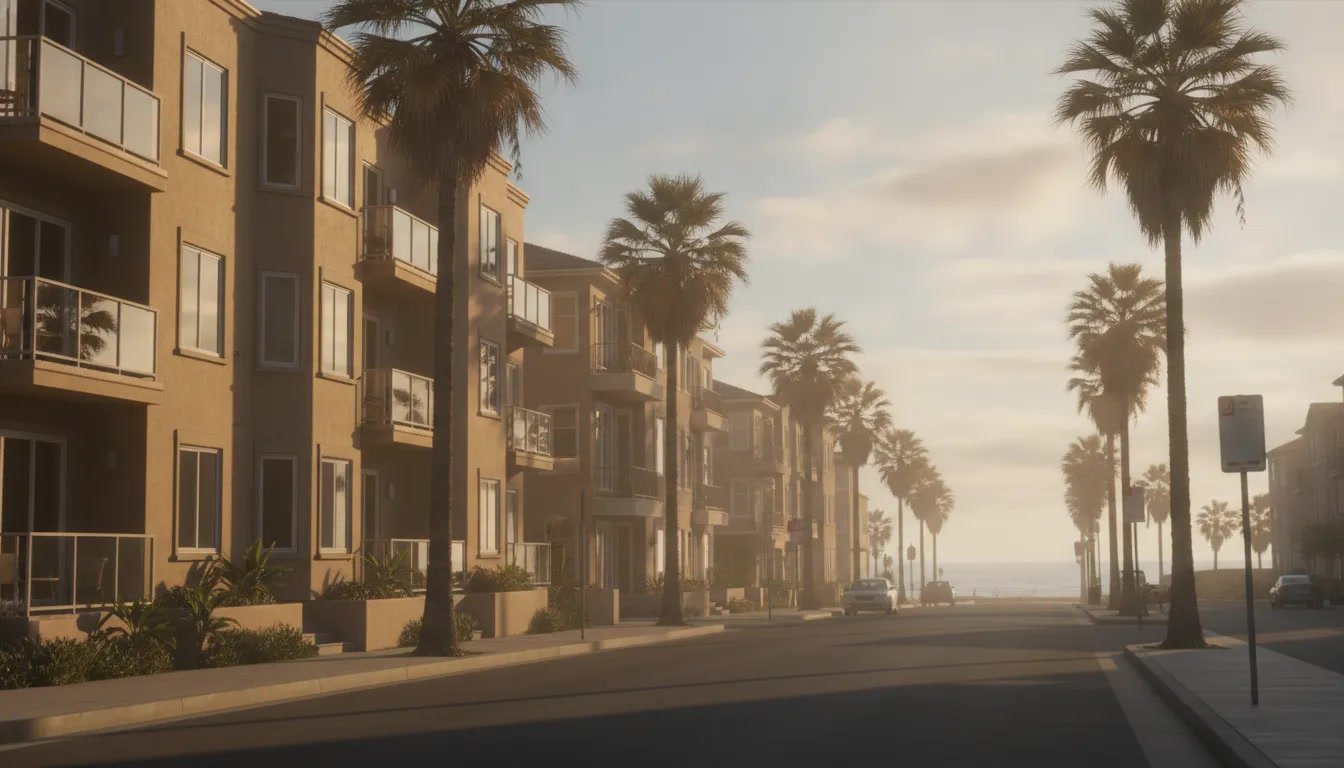
Learning how to buy a condo in Oceanside means judging the unit, the association, and the block together. A walk to the pier, a quieter street in Fire Mountain, or a newer complex near Rancho Del Oro can look similar online. They feel completely different once you add dues, parking, and a commute toward Camp Pendleton or the Sprinter. Mogul Real Estate, based at 32605 Temecula Parkway in Temecula, helps buyers compare those coastal and inland choices before they write.
Browse Oceanside condos on the Mogul search
What Should You Decide Before You Tour?
Write a short brief before you open a map. Name a monthly number you can live with, the rooms you actually need, and whether you want to walk to the sand or park a second car without a fight. That brief is what keeps a pretty kitchen from outranking a bad parking plan.
Oceanside is not one condo market. South Oceanside and the pier district sit close to Buccaneer Beach, Coast Highway, and the Oceanside Transit Center. Fire Mountain climbs west of Interstate 5 with older attached buildings mixed into a hillside neighborhood. East of the freeway, Ivey Ranch, Rancho Del Oro, and Arrowood tend toward planned communities where dues buy a pool, a gate, or a golf setting. Ocean Hills is an active-adult community, so confirm age rules before you fall for the amenities.
Mogul's Temecula office covers Oceanside as part of its North County work, alongside Temecula Valley. A buyer coming from Murrieta or Menifee should test the real drive, not the Sunday-morning one. Highway 76 toward Camp Pendleton, Interstate 5 toward Carlsbad, and the Sprinter toward Escondido each change which complex is convenient.
Put these choices on paper before the first tour:
Must-haves versus nice-to-haves, including a garage, a first-floor entry, storage, and a patio that is actually usable.
Whether you will live in the unit, house a parent, or hold it as a longer-term rental.
How often you need the beach, the Oceanside Pier, Tri-City Medical Center, or a school run toward Vista.
Your tolerance for stairs, shared walls, railroad noise, and visitor parking.
If the plan includes renting the condo out, even occasionally, stop and read the association rules and the city rules before you tour. A complex can ban leases that the city would otherwise allow. That single fact changes which buildings belong on the list.
Where Should You Look to Buy a Condo in Oceanside?
Attached homes cluster in a few patterns, and the pattern matters more than the city name. Older buildings near the water trade space and parking for location. Planned communities inland trade a longer drive to the sand for amenities and, often, a Mello-Roos line on the tax bill.
Use Mogul's Oceanside community page for current listings, then narrow by how you will live, not by a single median price. The Oceanside homes buyer guide already walks South Oceanside, Fire Mountain, and Rancho Del Oro for a general search. This condo guide stays on the attached-home questions that page does not answer.
Coastal and hillside buildings
Near South Pacific Street, Coast Highway, and the downtown pier, many condos are older, smaller, and tighter on parking. Street slope in Fire Mountain can mean stairs from the garage to the front door. Ask about elevator service, assigned stalls, and whether a guest can park without blocking a neighbor.
Coastal weather is mild, but salt air is hard on railings, decks, and window frames. On a tour, look at the common decks and stair rails, not only the unit's paint. A fresh interior can sit above a building that still needs a special assessment.
Inland planned communities
Ivey Ranch, parts of Rancho Del Oro, and Arrowood often package a pool, trails, or a guard gate into the dues. That can be a better fit if you want less yard work than a Temecula house and a simpler drive toward Vista or the 78. It is a worse fit if the dues plus any Community Facilities District charge push the monthly number past your brief.
Ocean Hills and similar active-adult settings add another filter. Age restrictions, guest rules, and rental caps are association rules. Read them before you assume a parent, an adult child, or a tenant can live there.
A few comparisons help you sort the first pass:
Beach access and walkability usually cost parking, storage, and newer construction.
Amenity-heavy inland complexes usually cost higher dues and sometimes Mello-Roos.
A gate or a golf course is not a substitute for reserve funding. Ask for the budget either way.
Railroad and Coast Highway noise change by the block. Visit at commute time and again in the evening.
If you are also weighing Carlsbad or Encinitas, keep those as separate searches. Start with the Carlsbad homes guide and the Encinitas buyer guide, then come back to Oceanside with the condo checklist. The coastal cities are neighbors, not substitutes.
How Much Does an Oceanside Condo Cost Each Month?
The list price is the down payment conversation. The monthly number is the mortgage, taxes, insurance, association dues, and any separate utility or district charge. Build that stack for the specific unit before you write.
Redfin reported an Oceanside median sale price of about $865,000 for the three months ending October 2026, with homes selling in about 35 days. That figure covers all home types, so a condo in 92058 can sit far below a house west of Interstate 5. Use it as city context, then price the building in front of you. Mogul's Oceanside page has also cited a local median near $850,000 and a faster typical market time. Both are snapshots. Neither is your unit.
Mello-Roos is a parcel tax used to fund streets, sewers, and other improvements, most often in newer tracts. Older blocks near the pier often do not have it. Newer phases farther east sometimes do. The only reliable check is the Assessor's parcel on the San Diego County Treasurer-Tax Collector site. A neighbor's bill is not yours.
The Federal Housing Finance Agency set the 2026 baseline conforming loan limit at $832,750 for a one-unit home, with a high-cost ceiling of $1,249,125. San Diego County is a high-cost area, but the exact county cap can differ from both of those figures. Ask your lender which limit applies to a one-unit Oceanside condo in 2026, and whether this project is even eligible. A low price does not help if the building fails the project review.
Cash due at closing is separate from the monthly stack. Plan for the down payment, lender fees, escrow and title charges, the HOA document fee, inspection, and the insurance binder. California resale documents are often billed to the buyer. Ask for that quote before you treat two similar list prices as equal.
What Should You Inspect in the Unit and the HOA?
A condo purchase is two inspections. One is the airspace you will own. The other is the association that owns the roof, the paint, the plumbing stacks, and the rules you will live under. A spotless unit can sit in a building with thin reserves.
On the unit tour, check windows, sliders, bathrooms, under-sink plumbing, the water heater location, and any stain on a ceiling or party wall. Listen for neighbors, the railroad, and Coast Highway. Open the assigned parking stall and the storage cage. Confirm the stall number is in the listing, not just "parking available."
Then read the association papers. California Civil Code section 4525 requires the seller to provide a list of specific association documents when an owner in a common-interest development resells. The list includes the governing documents, the current budget, and statements about regular and special assessments, among other items. You want those pages, not a verbal "the HOA is fine."
Read for these items in particular:
Monthly dues, what they cover, and any approved increase.
Special assessments that are approved, proposed, or discussed in recent minutes.
Reserve funding and the latest reserve study summary.
Rental caps, minimum lease terms, and whether the association is already at its cap.
Parking, storage, pets, grill rules, and architectural limits on flooring or balcony use.
Insurance: what the master policy covers, and what your walls-in policy must cover.
Pending lawsuits or construction-defect claims.
Do not skip the minutes because the budget looks calm. Minutes are where a roof, elevator, or plumbing project shows up before it becomes a line item. If litigation is mentioned, ask your lender early. Some loan programs will not close while a project lawsuit is open.
Can You Rent the Condo After You Buy?
Treat rental plans as a zoning-and-rules question, not a furnishing question. The City of Oceanside defines a short-term rental as a stay of 30 or fewer consecutive days. Hosted means the owner lives there and stays on site. Non-hosted means the owner does not. New non-hosted short-term rentals are prohibited outside the Coastal Zone as of February 10, 2024. Inside the Coastal Zone, the city says short-term rentals are currently allowed, while a Local Coastal Program amendment that would add caps is still pending approval.
The city also says owners should check the association, because the city does not enforce private CC&Rs. A building can ban short stays, cap the number of rentals, or require a minimum lease even when the city permit desk would say yes. Permits are not transferable, and a tenant cannot operate a short-term rental. Confirm the current rule in Oceanside City Code Chapter 24 for the exact address before you underwrite any rental income. The city's short-term rental desk is the place to confirm how that chapter is being applied.
A 31-day or longer lease is a different product. It still has to clear the CC&Rs, any rental cap, and your loan. Some associations allow leasing only after you have owned the unit for a period of time. Some lenders treat an immediate rental differently from a home you will occupy. Write the intended use into your loan conversation on day one.
If the appeal of Oceanside is a weekend place and the appeal of Temecula is a full-time house, those are two purchases. Mogul can walk both. Do not let a short-term rental assumption choose the Oceanside building until the city page and the CC&Rs agree.
How Do Financing and the Offer Work?
Get a lender conversation started before you offer, and send the project name as soon as you have it. Condo review can cover your credit and income and, separately, the building's budget, insurance, owner-occupancy, and any litigation. Ask which file the lender needs, how long review takes, and what would push the loan from conventional into jumbo or into a decline.
A practical offer sequence looks like this:
Share the address, dues, and any known litigation with the lender before you lock terms.
Confirm the down payment, the rate lock window, and whether gift funds or a VA loan change the project test.
Write the offer with time to read the resale packet, not only to inspect the unit.
Ask for the Civil Code section 4525 documents and a dues statement in the contract timeline.
Keep the investigation period long enough to price a special assessment if the minutes hint at one.
Price the offer against closed condo sales in that complex or the next comparable complex, not against the citywide median. A renovated stack near the pier and a 1990s flat in Arrowood do not share a buyer. Your agent should pull the comps. You should know which two sales the price came from.
Military buyers with orders to Camp Pendleton should say so early. VA financing adds its own project questions, and a building that is fine for a conventional loan can still fail a VA review. The reverse is also possible. Do not discover that on day ten of a fifteen-day contingency.
What Happens After the Seller Accepts?
Acceptance starts a calendar. Financing, the HOA packet, the inspection, appraisal, and insurance all move at once. Missing one date can waive a protection you meant to keep.
Put every deadline in one place the day you open escrow. Typical Oceanside condo files include the unit inspection, a review of the resale packet, the appraisal, and proof that the master insurance satisfies the lender. If you are using a VA or FHA loan, add the project approval step to that same list.
Use the investigation period for facts, not for a second round of daydreaming:
Order the inspection quickly, and ask the inspector to note common-area moisture that is visible from your entry, deck, or garage.
Read the budget, reserves, insurance certificate, and the last several months of minutes.
Match the parking stall, storage, and any exclusive-use patio to the preliminary title report.
Ask the lender for written status on project review before you remove the loan contingency.
Get a walls-in insurance quote that names what the master policy does not cover.
Walk the block one more time before you release contingencies. Evening noise near the Coaster tracks, weekend parking near the pier, and a steep Fire Mountain driveway all show up in person more clearly than in photos. If a special assessment lands in the packet, decide whether to renegotiate, accept it, or cancel while you still can.
Closing day itself is ordinary once the packet is clean. You will sign, wire funds according to the escrow instructions, and receive keys under the association's rules. Some buildings need a move-in reservation and proof of insurance before the elevator is unlocked. Ask the manager a week ahead so the truck is not sitting at the gate.
How Do You Decide How to Buy a Condo in Oceanside?
A sound Oceanside condo decision is a match on five things at once: the unit, the block, the monthly stack, the association's health, and your intended use. If any one of those is still a guess, you are not ready to remove contingencies.
Keep the citywide home search on the Oceanside buyer guide, and keep Temecula's condo process on its own page. They answer different questions. What you want here is a building you have priced, a packet you have read, and a loan file that already knows the project.
Mogul's search covers Oceanside alongside the Temecula Valley markets the brokerage knows day to day. Save the complexes that survive your brief, then compare them on dues, reserves, and the drive you will actually make. The right condo is the one that still fits after the packet arrives.
Start your Oceanside condo search with Mogul
Frequently Asked Questions
How much are HOA fees for an Oceanside condo?
There is no single Oceanside HOA number. A small older building may charge modest dues and still send a special assessment for the roof. A gated community near Arrowood or Ocean Hills may charge more because the dues cover a pool, landscape, and staffing. Read the current budget before you compare list prices.
Do Oceanside condos have Mello-Roos?
Some parcels do and many older coastal parcels do not. Mello-Roos is tied to the Assessor's parcel, not to the word "condo." Look up the parcel on the San Diego County Treasurer-Tax Collector site, or ask escrow for the supplemental tax bill, before you write.
Can I use a VA loan on an Oceanside condo?
Often yes, and sometimes no. VA, FHA, and conventional loans can all require a project review that looks at reserves, owner-occupancy, insurance, and lawsuits. Tell the lender the complex name before you offer, especially if you are stationed at or transferring to Camp Pendleton.
Are short-term rentals allowed in Oceanside condos?
The city allows some short-term rentals and restricts others. New non-hosted stays are prohibited outside the Coastal Zone as of February 10, 2024, and a Coastal Zone rule change is still pending. Separately, the HOA can ban or cap rentals. Check both the city page and the CC&Rs for that address.
How is buying a condo in Oceanside different from buying a house?
You are buying the unit plus a share of the association's obligations. That adds dues, a resale packet, project-level loan review, and house rules on leasing, pets, and parking. The neighborhood search is the same skill. The document review is the extra job, and it is the one that protects you.
| Cost item. | What to verify. | When to check it. |
|---|---|---|
| Mortgage. | Loan type, rate, down payment, and whether the project must be reviewed. | Before the first offer, then again when the lender sees the address. |
| Property taxes. | Base tax plus any Mello-Roos or direct charges on that parcel. | Before the offer, using the parcel number. |
| HOA dues. | Current monthly amount, what it includes, and any pending increase. | At the showing, then again in the resale packet. |
| Insurance. | Master policy coverage and the walls-in policy you still need. | During the investigation period. |
| Special assessment. | Approved or discussed assessments for roofs, decks, plumbing, or elevators. | In the budget, reserve study, and minutes. |
| Utilities and parking. | What the dues cover, and any separate fee for a stall, storage, or electric. | Before you compare two units on price alone. |