
Does Staging Help Sell a Home in Murrieta? A Seller's Guide
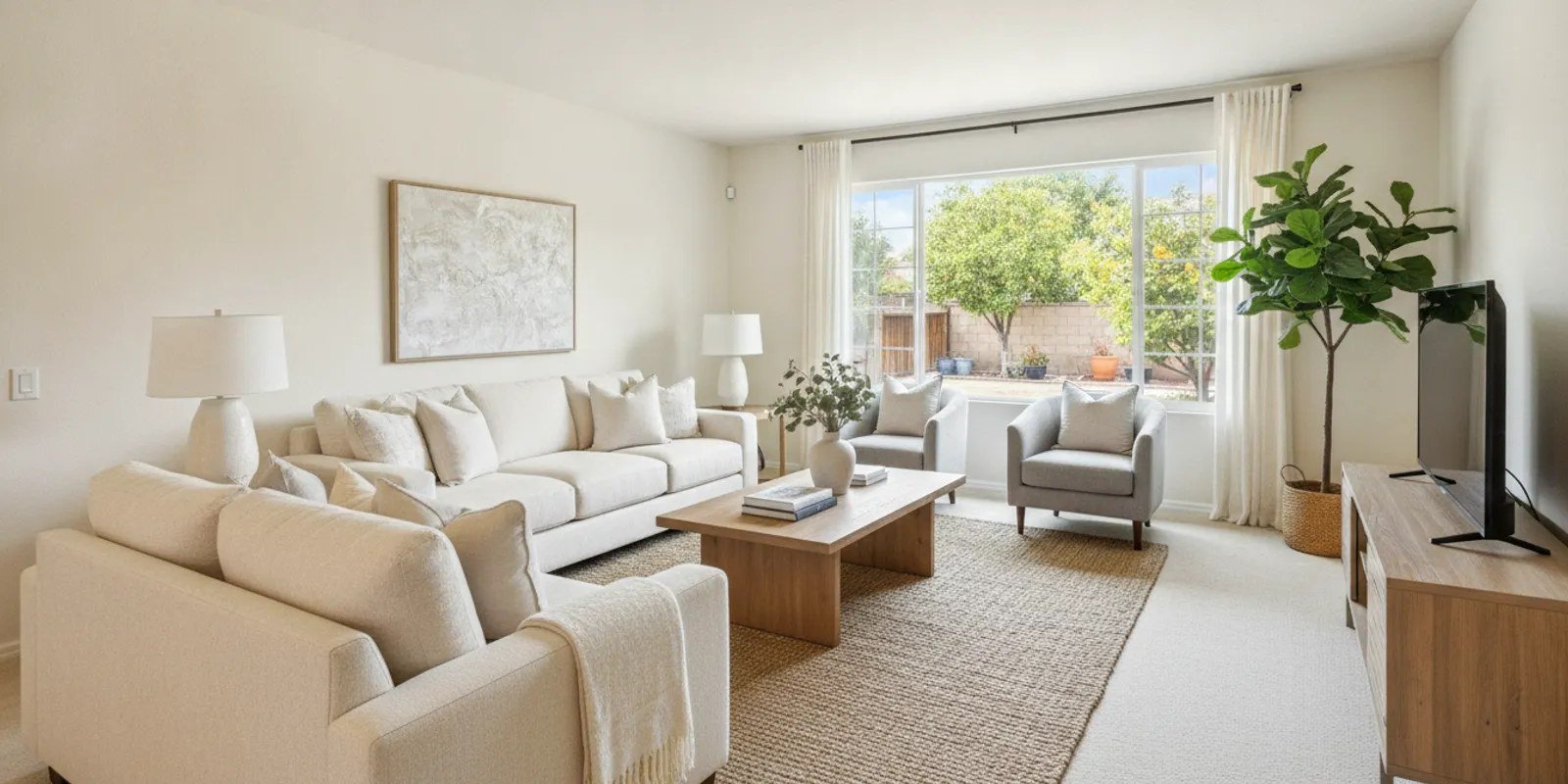
Does staging help sell a home in Murrieta? It can make rooms easier to understand and help buyers picture how they could use them, but it cannot guarantee a faster sale or a higher offer. The best approach depends on the home, its likely buyers, current competition, budget, and the specific presentation problem you want to solve.
Schedule a conversation about your home sale
What can staging change for a Murrieta listing?
Staging can help a buyer read a home's scale, purpose, and flow. It does not change the home's location, layout, condition, or value by itself. A useful staging plan addresses a visible point of confusion, such as an empty room with no clear purpose or furniture that blocks a natural walking path.
Think of staging as presentation rather than renovation. It may involve removing excess items, moving existing furniture, adding a few simple accessories, or furnishing selected rooms in a vacant property. The goal is a clean, understandable view of the home, not a showroom that hides its real condition.
In Murrieta, a buyer may compare homes with different layouts, room sizes, and features. Showing how the living areas connect or where a dining table fits can make it easier to evaluate a particular floor plan. Buyers will still consider price, maintenance, location, and competing choices.
Staging may be worth considering when:
A room feels smaller because furniture crowds the usable floor area.
A flexible or unusual room has no obvious everyday use.
The home is vacant and buyers have trouble judging room scale.
Personal belongings draw attention away from the home's features in photos.
A prominent area, such as the entry or main living space, feels unfinished or hard to navigate.
It may be unnecessary to rent furniture if the home is already tidy and rooms have clear purposes. In an occupied home, editing and rearranging existing furnishings can be enough. A targeted plan should answer a question about this home rather than follow a rule that every room must be staged.
Does staging guarantee a higher sale price?
No. Staging is not a promise of a particular offer, sale price, or timeline. It may improve how a home is presented, but buyers make decisions based on many factors, including their needs, the home's condition, the asking price, and the alternatives available when they shop.
Separate a presentation benefit from a financial guarantee. A quote for staging tells you what a vendor proposes to do and what it costs; it does not establish how buyers will respond or how much more they might pay. Ask for a clear scope and decide whether the change addresses a real obstacle to understanding the home.
Compare staging with other uses for the same budget. A deep clean, a small repair, improved lighting, yard cleanup, or professional photography may be more relevant if those are the issues a buyer will notice first. Do not spend on decorative changes while leaving a visible maintenance problem unaddressed.
Presentation also cannot compensate for a price that does not make sense alongside competing homes. A beautiful room may attract attention in a photograph, but buyers still compare the asking price with the property's condition and features. Consider the full listing plan rather than treating staging as a substitute for thoughtful pricing.
Mogul's why list with us page describes its listing approach. A seller can use a conversation about the home's presentation to clarify how preparation, photography, and pricing decisions fit together.
Which rooms should you prioritize?
Prioritize the rooms that most affect a buyer's first impression and understanding of daily use. Often these include the main living area, kitchen, dining space, and primary bedroom. The right choices vary by property: a home office, entry, or outdoor area may deserve attention when it is a distinctive feature.
Start at the front door and walk through as if you were seeing the home for the first time. Notice where you hesitate, where paths feel narrow, and where you cannot tell what a room is for. Those observations help focus effort on the spaces that need explanation rather than spending evenly on every room.
Living room: Arrange seating around a natural focal point and leave a clear route through the room.
Kitchen: Clear most counter space, clean visible surfaces, and keep only a few practical items out.
Dining area: Show that a table can fit while allowing people to move around it.
Primary bedroom: Use furniture that leaves visible floor space and clear access to closets.
Flexible room: Give it one understandable purpose, such as a study or hobby space, instead of crowding it with unrelated items.
Outdoor area: Tidy the space and use a simple arrangement if the yard or patio is an important feature.
Keep the changes realistic. Buyers should be able to see the home's actual size and condition. Avoid hiding doors, blocking windows, or arranging furniture in a way that would be awkward to use. The room should look inviting in photographs and still function during an in-person showing.
For a home with many rooms, rank spaces by visibility and purpose. The entry, living area, and kitchen may appear in the first photos and shape initial impressions. A spare room seen later may need only to be clean and uncluttered. A room-specific plan can keep the budget focused.
How do staging options and costs compare?
There is no single staging method or fixed cost that suits every Murrieta home. The estimate depends on the size of the property, furniture needs, number of rooms, delivery and removal, rental duration, and the vendor's terms. Compare written scopes rather than assuming two quotes include the same work.
Ask the provider to itemize the work and the total amount due. Clarify whether the quote includes consultation, delivery, setup, pickup, taxes or other charges, and what happens if the listing takes longer than expected. Confirm who is responsible if an item is damaged and whether you can adjust the scope before installation.
Schedule details matter. Find out when furnishings can arrive, how long setup takes, and whether everything will be ready before photography. If the rental period is limited, understand the deadline for removal and whether an extension is possible. A staging plan that disrupts the photo date or showings may create more difficulty than it resolves.
Compare the proposal with other preparation needs. For example, imagine a vacant home where the living room feels hard to size from photographs, but the kitchen and bedrooms already read clearly. A quote for staging only the living room and dining area could be compared with a quote for the entire home. The decision then rests on the incremental value of the added rooms, not on the label “full staging.”
For a lived-in home with good furniture, the practical comparison may be between a professional edit and a weekend of sorting, cleaning, and rearranging. Ask what expertise or labor the service adds. If its main recommendations are manageable and the work is straightforward, a smaller do-it-yourself plan may suit your budget better.
How can you decide whether a specific staging change is worthwhile?
Start with the problem, not the product. Name what a buyer may misunderstand, identify the room or photo where that issue appears, and choose the smallest change that could make the space clearer. Then compare its cost, timing, and upkeep with other needs before committing.
Walk the home and take notes. Begin at the entry, follow the normal route, and record where a room's purpose, scale, or condition is hard to read.
Separate required preparation from optional styling. List cleaning, repairs, decluttering, and furniture changes separately so that presentation choices do not crowd out basic maintenance.
Set a limit before requesting quotes. Decide what you can spend, then request estimates for a defined scope rather than an open-ended makeover.
Ask for the reasoning behind each recommendation. A useful proposal connects a specific change to a specific room or buyer question.
Check the schedule and terms. Make sure work is finished before photos and that the arrangement can stay in place for the expected showing period.
Review the result in person and in photos. A setup that looks balanced in a room may feel crowded on camera, so review both views before listing materials are finalized.
A simple decision worksheet can help. For each proposed change, write down the issue, the proposed fix, its total cost, and what other task that money could cover. Then mark whether the change improves function, room scale, cleanliness, or photography. If you cannot identify the problem it solves, pause before adding it to the plan.
For example, a narrow living room may feel cramped because a large sofa blocks the main path. Before renting new furniture, test a different arrangement or remove a side table. If the room then reads clearly, the lower-cost change has addressed the issue. If it remains difficult to understand, ask whether a different furniture scale or professional advice is worthwhile.
For a vacant home, the question may be whether a buyer can judge the dimensions of an open room. A few appropriately scaled pieces in the main space may show how it functions without furnishing every bedroom. If a room's purpose is already obvious from its layout, leaving it empty can be a reasonable choice.
How should staging fit with photos, showings, and pricing?
Plan staging as one part of a listing sequence. Decide what needs attention, complete preparation, arrange photography, and maintain the setup for showings. Clear timing reduces the chance of paying for work that is not ready when images are taken or that cannot be maintained once buyers begin visiting.
Before the photographer arrives, walk through each room and check the details that the camera will record. Open window coverings where appropriate, turn on working lights, remove temporary clutter, and make sure counters and floors are clean. Check that furniture is not blocking a doorway, window, or useful view of the room.
After photos, the home has to remain practical for daily life and showings. In an occupied home, decide where personal items will go between visits and who will reset the rooms. In a vacant home, confirm that rented pieces remain in place for the agreed period and that access for delivery or removal is coordinated.
Use buyer feedback carefully. One comment may reflect an individual preference. If several visitors independently struggle with the same room or mention the same presentation concern, review that specific issue. Adjusting a crowded seating arrangement may be more useful than restaging the entire property.
A listing plan can also distinguish presentation from property facts. Staging should not imply that furniture, fixtures, or improvements are included if they are not. Be clear about what belongs to the home and what is temporary styling. For general real estate consumer resources, visit the National Association of REALTORS®.
Sellers can review Mogul's Murrieta and nearby community information while considering the local setting for their property. For more preparation context, see the guide to what not to fix when selling a house in Temecula and the discussion of why staging matters when selling in Temecula.
Mogul also provides a free home analysis. Treat an analysis as a starting point for a pricing conversation, not a promise of a buyer's offer. Staging decisions are easier to weigh when they are considered alongside the home's condition and the other properties buyers may compare.
What should you ask before hiring a staging provider?
Ask for specifics before signing. A clear agreement should explain the rooms included, items supplied, installation and removal dates, total charges, and responsibility for damage. It should also make clear whether the proposed work is a one-time consultation, furniture rearrangement, rental, or a combination of services.
Which rooms and tasks are included, and what is excluded?
Does the quoted total include delivery, setup, pickup, and the full expected rental period?
How much will an extension cost if the home has not sold or the listing schedule changes?
Who handles moving existing furniture, and are there items the provider will not move?
What happens if a rented item is damaged or a delivery is delayed?
Can the scope be reduced after the initial walkthrough if only a few rooms need attention?
What preparation must the homeowner complete before the staging team arrives?
Request that recommendations connect to the home's specific rooms. A useful discussion should explain why a particular room needs help and what the proposed arrangement is meant to show. You can then decide whether that change fits the listing schedule and budget instead of accepting a package simply because it is offered.
Before work begins, take a written inventory of rented pieces and note their condition. Keep the agreement and contact details accessible, and confirm the process for requesting pickup or an extension. These small steps help prevent confusion if the listing timeline changes.
Schedule a consultation about selling your Murrieta home
Frequently Asked Questions
Should I stage an occupied home?
Not necessarily with rented furniture. Many occupied homes need only decluttering, cleaning, and a more open furniture arrangement. Consider outside help if important rooms still feel crowded or their purpose remains unclear after those steps.
Is virtual staging enough?
Virtual staging can show an online viewer one possible furnished arrangement, but it does not change the physical room a buyer sees at a showing. Make sure any digitally altered presentation is clearly distinguished from what is actually present.
When should staging happen?
Complete the setup before listing photography, and confirm that the arrangement can remain in place for showings. If you rent furnishings, check the removal date, extension terms, and the process for coordinating pickup.
Should I stage every room?
No. Focus first on rooms that affect the first impression or are difficult to understand. Other spaces may need only to be clean, accessible, and easy to view. The right scope depends on the home's layout and the questions its presentation raises.
How can I tell whether staging is worth the expense?
Identify the specific issue it would address, get a written estimate, and compare the proposed work with other preparation needs. Choose a scope that fits the home and overall listing plan, without assuming staging guarantees a sale or a particular price.
| Approach | When it may fit | Questions to compare |
|---|---|---|
| Declutter and clean | An occupied home is furnished but feels busy or less cared for. | What needs storage or disposal? Who handles cleaning, and how much preparation time is needed? |
| Rearrange existing furniture | Rooms have usable furnishings but poor flow or unclear focal points. | Which rooms are included? Are heavy items moved, and what labor is covered? |
| Partial staging | One or two key rooms need scale, purpose, or a stronger first impression. | What furniture and accessories are supplied? Are delivery, pickup, and rental days included? |
| Full staging for a vacant home | An empty property makes it difficult to judge room scale or function. | How many rooms are furnished? What are the extension, damage, and removal terms? |
Staging can help buyers understand a Murrieta home's space and function, but it works best as a targeted choice within a larger listing plan. Start with the home's actual needs, compare the cost of practical options, and prepare the rooms that most need explanation.