
Homes for Sale in Encinitas CA: A Buyer Guide
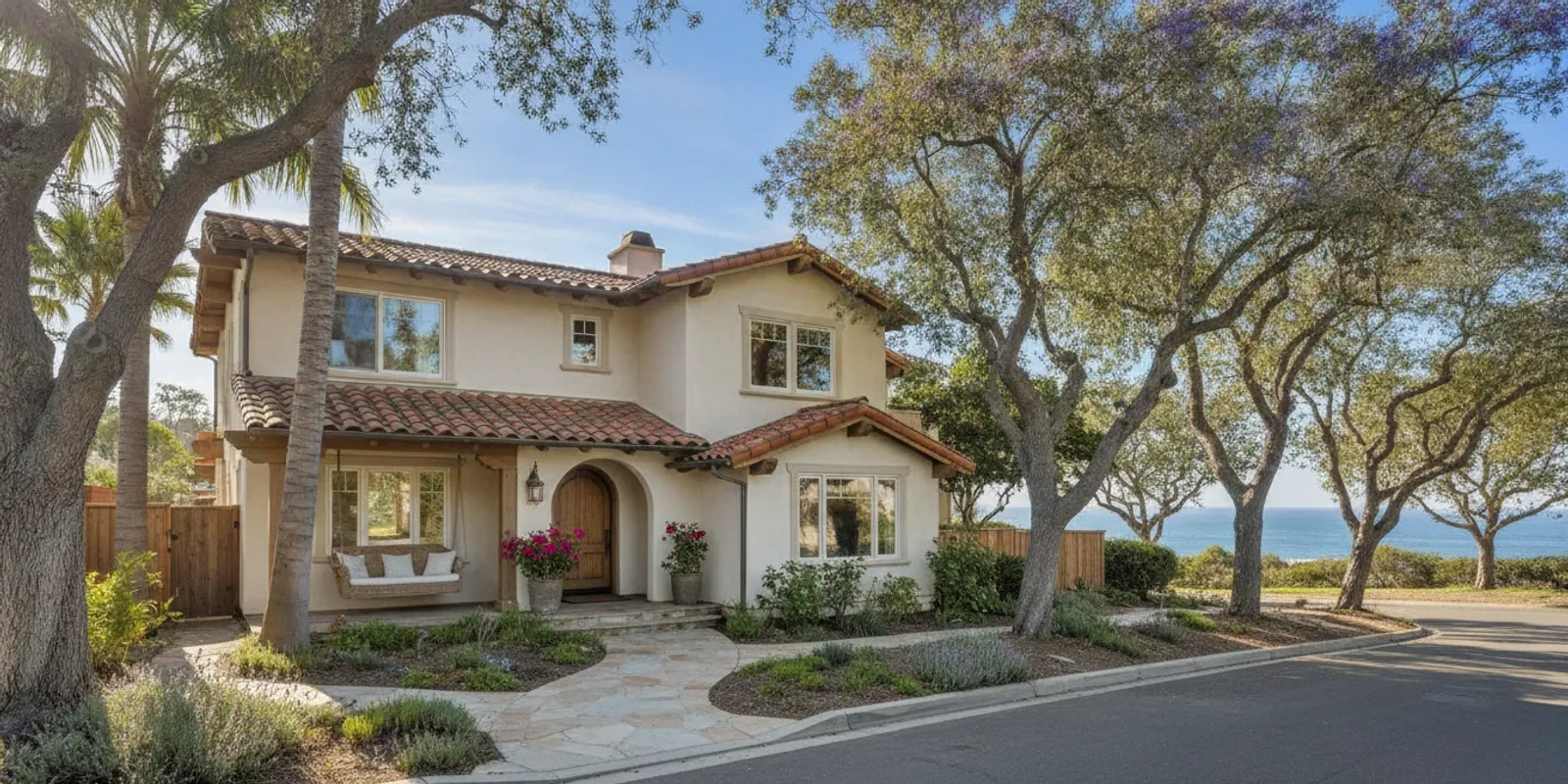
| Area to explore | What to investigate | Questions for a tour |
|---|---|---|
| Old Encinitas and downtown | Proximity to shops, dining, beaches, and busier corridors | Can you comfortably walk to the destinations you care about? How does street activity feel at different times? |
| Leucadia | Local streets, access to coastal amenities, and the character of each block | What are the actual routes to work, school, and daily errands? Does the lot meet your outdoor-space needs? |
| Cardiff-by-the-Sea | Coastal access, neighborhood layout, and connections to nearby destinations | Which amenities would you use often, and how convenient are they from this address? |
| Olivenhain and inland Encinitas | More inland settings, street layouts, lot features, and driving patterns | How much time will regular trips take? Are the home and yard features manageable for you? |
Searching for homes for sale in Encinitas CA means comparing more than bedrooms and square footage. This coastal city includes distinct areas, from walkable pockets near the coast to quieter inland settings. Each area can shape your daily routine in a different way. Start with the lifestyle you want. Then assess each home against practical needs like travel time, school boundaries, upkeep, and access to the places you visit most.
Plan your Encinitas home search
What should buyers know about Encinitas before they search?
Encinitas is a coastal community in northern San Diego County. Buyers often consider it for its beaches, outdoor recreation, local businesses, and residential neighborhoods. But a coastal address does not make every part of the city feel the same. The distance to the beach, the street pattern, the amount of traffic nearby, and the mix of housing can change from one area to another.
Begin with a short list of non-negotiables. Think about how many rooms you need and whether stairs work for your household. Also decide how much outdoor space you will use and what kind of maintenance you are comfortable handling. Add your regular destinations: work, school, transit, grocery shopping, healthcare, and family activities. A home that looks appealing online may be less practical if it makes everyday trips difficult.
It also helps to separate preferences from requirements.
âNear the coastâ could mean a short drive, a bike ride, or a walk. Decide which meaning matters to you.
âQuietâ might refer to a low-traffic street, distance from commercial areas, or a home set back from a busy road. Specific definitions make it easier to compare listings fairly.
Turn those preferences into a short, reusable decision brief before browsing. For example, one buyer might need a first-floor bedroom and a dedicated workspace, while being flexible about yard size. Another may value a walkable location and accept a smaller home if it makes regular errands easier. Writing this down helps prevent a polished photograph or a feature you had not considered from overtaking the needs that matter every week.
Which areas matter when comparing homes for sale in Encinitas CA?
Use neighborhood names as a starting point, not a substitute for visiting the specific streets and homes you are considering. Broad labels can cover different settings. Tour at the times you expect to be out and about, and check the route between a home and the places that anchor your routine.These are broad orientation points, not guarantees about a property or a block. A street can feel different from the next one over, and a map does not show noise, parking, shade, or how a route feels on foot. Use the community information and home-search resources as a starting point, then verify details in person and through appropriate local sources.
For an additional coastal comparison, read the guide to homes in Carlsbad Village. It can help you compare another nearby community’s setting and daily pattern with your Encinitas priorities. Keep the comparison centered on your own commute, routine, and preferred home features rather than assuming one place is right for every buyer.
Make an area-comparison visit more useful by choosing one or two real destinations. Try a grocery stop or a route to work from each candidate property.
If a walkable routine is important, park once and walk the streets around the home instead of judging only the drive.
Notice sidewalks, crossings, shade, slope, and how comfortable the route feels for everyone who will use it.
If you expect to drive most places, check where you would enter the main road and what the trip feels like during a typical commute period.
Write down what changed between stops so the comparison is based on the trip, not the listing photos.
How can you choose the right home features?
Listings can make it easy to focus on bedroom count and photos. A closer review should include the property’s layout, condition, lot, and ongoing responsibilities. Write down the features you can change and the ones that are difficult or expensive to change. Paint color is usually easy to address; location, lot shape, room arrangement, and the relationship between indoor and outdoor spaces are not.
Layout: Consider how rooms connect and whether the space supports work, guests, hobbies, or changing household needs.
Light and privacy: Visit at more than one time if possible. Look at window placement, neighboring structures, and how much privacy outdoor areas provide.
Outdoor space: Decide whether you prefer a low-maintenance patio, room for gardening, or a larger yard that needs regular care.
Condition: Notice visible wear, drainage patterns, older components, and any areas that deserve professional inspection. A showing is not a substitute for inspections or disclosures.
Parking and access: Check the garage, driveway, street parking, entry path, and storage against your actual needs.
Coastal exposure: Ask what maintenance the home’s materials and setting may require. Review disclosures and consult qualified inspectors about condition and upkeep.
During a showing, move through the home in the order you would use it. Imagine arriving with groceries, getting ready in the morning, working from home, or hosting a guest. Check whether the rooms you need are near one another, whether storage is where it would be useful, and whether the entrances and stairs work for your household. These simple tests reveal friction that room counts do not.
For each listing, keep a simple scorecard. Rate your top priorities, note questions to resolve, and record what you learned during the visit. This can make several similar homes easier to compare after a busy tour day. Separate what you observed from what you still need to confirm: “the bedroom feels small” is an observation, while “the room can fit a specific bed and desk” needs measurement. Take measurements or ask permission to revisit if room dimensions affect your decision.
Use a three-part scorecard rather than a single overall impression: fit with daily needs, property questions, and compromises. Give each home a quick rating for the features you decided matter most, then list unresolved items separately. A home can score well on location but still have a roof, drainage, or access question to investigate. This approach keeps an appealing kitchen or view from hiding an issue that could affect your plans.
What should you check about schools and family routines?
If school access matters to your household, confirm the current school assignment for the exact property address. Do not rely on a neighborhood name, a past listing, or a general map alone. Boundaries and enrollment processes can change, and assignment is not the same as a guarantee of enrollment or placement. Contact the relevant district directly about current boundaries, enrollment steps, programs, and any factors important to your family.
The California Department of Education provides statewide education information and resources for locating school-system information. For local details, start with the Encinitas Union School District and confirm the current assignment for the exact address. Boundaries, programs, and enrollment steps can differ by property, so verify them with the district before you rely on a listing or a neighborhood name.
Families can also test the shape of an ordinary weekday. Drive the school route during a likely drop-off or pickup period, check how after-school activities fit, and consider where errands fall in the day. If a parent or caregiver will make repeated trips, small differences in route and parking can matter more than a listing’s headline features.
Build a list of questions before contacting a district. Ask how to verify an address, what documentation is needed, when enrollment decisions are made, and whether any program has a separate application or process. Confirm each answer through current official district information rather than relying on a seller’s recollection or an older online description. If school transportation is relevant, ask about current routes and eligibility directly.
Families should also consider routines that do not appear in a school boundary lookup. How will a household handle morning departures if adults leave for work at different times? Is there a safe, practical place to wait for pickup? Will an activity or childcare trip require crossing the same busy corridor every day? A home tour can help you picture these details, but confirm schedules, services, and access with the relevant provider.
How do coastal lifestyle tradeoffs affect a home search?
Coastal access can be a major draw, but it helps to consider how often you will use it and what else comes with the location. Walkability, road access, parking, exposure to traffic, and the distance to daily services are all worth checking. The best fit depends on how you want to spend time, not just how close a pin appears to the shoreline.
Ask practical questions on each tour:
How long does it take to reach the beach, trail, or local business you expect to visit regularly?
Is the route comfortable for walking or cycling, or will you generally drive?
What is parking like for residents and guests?
How does the street feel during the morning, afternoon, and evening?
What maintenance does the yard, exterior, or other property feature require?
Are there local rules, association requirements, or property restrictions to review?
Do not infer a home’s safety, permitted use, future development, or exposure to a specific hazard from photos or broad neighborhood descriptions. Review applicable disclosures and official maps, and consult qualified professionals or local agencies for property-specific questions. If a particular concern could affect your decision, resolve it before removing contingencies or committing to terms.
Think through the tradeoff as a weekly schedule, not an abstract preference. If proximity to coastal activities matters, estimate how frequently you would go and whether you would walk, cycle, or drive. Then compare that benefit with the trips you make more often, such as work or groceries. A location that adds convenience to an occasional outing but complicates a daily commute may not suit your household. A quieter inland setting may be the better fit if the property supports the routine you value most.
Property upkeep deserves the same close look. Ask what maintenance the exterior, landscaping, and any shared spaces require, and request relevant documents or disclosures. If an association is involved, review its rules, fees, maintenance responsibilities, and approval processes rather than relying on a brief listing summary. For questions about materials, structural condition, drainage, or other specialized matters, use a qualified inspector or professional. The aim is to understand likely responsibilities before deciding whether a property fits your time and budget.
How should you organize a search for homes for sale in Encinitas CA?
A good search process keeps new listings visible while giving you a consistent way to evaluate them. Start by choosing a realistic set of must-haves and a flexible set of preferences. Next, track listings and revisit the criteria as you learn what is available. You can explore the available home-search experience and read a practical overview of how to find a home to buy before you begin touring.
Set your decision framework. List the features you need, the features you prefer, and the issues that would rule out a property. Keep the list short enough to use.
Map your routine. Identify work, school, transit, recreation, and regular errands. Compare actual routes rather than judging distance by a map alone.
Review listings consistently. Use the same checklist for each property. Note the asking information shown in the listing, but verify details and availability rather than treating online information as final.
Build a focused tour list. Group visits by area where possible. Leave time to walk the immediate surroundings and inspect the property’s setting.
Follow up on open questions. Request available disclosures and documents, confirm school information with the district, and ask qualified professionals about condition or specialized concerns.
Compare after each tour. Record strengths, compromises, unknowns, and next steps while the visit is fresh in your mind.
For a practical listing tracker, include the address, date reviewed, status, bedrooms and layout notes, travel estimates, likely upkeep, questions, and the next action. Keep facts from the listing separate from your own observations and from items that need verification. For instance, a listing may describe a room as an office, but you should decide whether its size, light, privacy, and location work for your intended use. Mark stale or unavailable listings so they do not distort comparisons.
When two homes seem close, compare them one criterion at a time rather than debating which one “feels better” in the abstract. Ask which option makes your normal week easier, which has the more workable layout, and which leaves fewer important unknowns. If one home has a clear advantage but also a major unresolved concern, schedule the follow-up needed to answer it before treating the comparison as settled. A short pause to verify details is more useful than relying on memory from a crowded tour day.
Buyers who are new to the process may also find this first-time buyer guide to working with an agent helpful. If you are relocating or cannot visit every property in person, review Mogul's Virtual Home Buying and Relocation Program. Decide what you still need to confirm before relying on a remote tour.
A remote tour can help you screen options, but prepare for it as carefully as an in-person visit. Ask the person conducting it to show transitions between rooms, storage, windows, outdoor spaces, and the approach to the home. Request close views of areas that are hard to assess on a screen and ask for room dimensions or relevant documents. A video call may not convey sound, odors, scale, street activity, or every condition, so consider what remains unknown and how you can verify it independently.
What should you prepare before making an offer?
Preparation gives you more room to make a considered decision when a home matches your needs. Talk with a lender about financing and ask what documents or timing they need from you. Determine the funds and monthly obligations you are comfortable with, including expenses beyond the purchase price. Do not assume that a particular loan, seller contribution, or offer term will be available.
Before you submit an offer, review the property information, disclosures provided, and any relevant association documents. Ask about deadlines, inspection opportunities, contingencies, and the practical consequences of the terms. A real estate professional can explain the transaction process and help you understand documents, but legal, tax, lending, and inspection questions should go to the appropriate qualified professional.
Keep your own priorities in view during negotiations. A home may have features you like and still require compromises on location, condition, or maintenance. Compare the full picture and decide which issues you are willing to accept, which need further investigation, and which would make you move on.
Before you are ready to offer, organize the materials and decisions you will need to revisit. Include lender contact and financing questions, a current version of your must-have list, property questions, and any documents you have received. Confirm deadlines and the process for obtaining answers instead of assuming that a detail can be resolved later. If you discover a concern about condition, use an appropriate qualified professional and understand the timing and terms that apply to your transaction. Keep the decision grounded in your own comfort level, not pressure to overlook an unanswered question.
It can help to define a personal “pause point” in advance. For example, decide that you will not make a final choice until a significant maintenance concern is understood. The same pause applies if you still need to confirm a school question with the district or review association rules that may affect how you use the property. This is not a substitute for contract advice; it is a way to make sure your priorities remain visible while you work through the details with the right professionals.
Discuss your Encinitas search options
Frequently Asked Questions
Are Encinitas neighborhoods all similar?
No. The city includes different coastal and inland settings, and individual streets can vary as well. Compare the exact location, route, property features, and daily routine rather than relying on a neighborhood label alone.
How can I confirm which school serves a home?
Contact the relevant school district with the exact property address and ask about current boundaries, enrollment, and any programs that matter to your household. Use official district information, since a general neighborhood description may not identify the assigned school.
Should I focus on homes closest to the coast?
That depends on how you expect to use coastal amenities and what tradeoffs you are comfortable with. Compare access, travel patterns, parking, home condition, and maintenance needs alongside proximity.
What should I do if I cannot tour in person?
Ask what remote viewing options and property information are available, and make a list of questions to resolve before moving forward. Consider arranging an in-person visit or an appropriate independent inspection when possible; video cannot reveal every condition or detail.
How can I keep multiple listings straight?
Use one scorecard for each home. Record must-have features, concerns, location and commute notes, questions, and the next action, then compare the homes against the same criteria after touring.
With a clear shortlist and a consistent way to evaluate each property, you can focus your Encinitas search on the homes and neighborhoods that genuinely fit your daily life.