
Homes for Sale in San Jacinto, CA: Buyer Guide
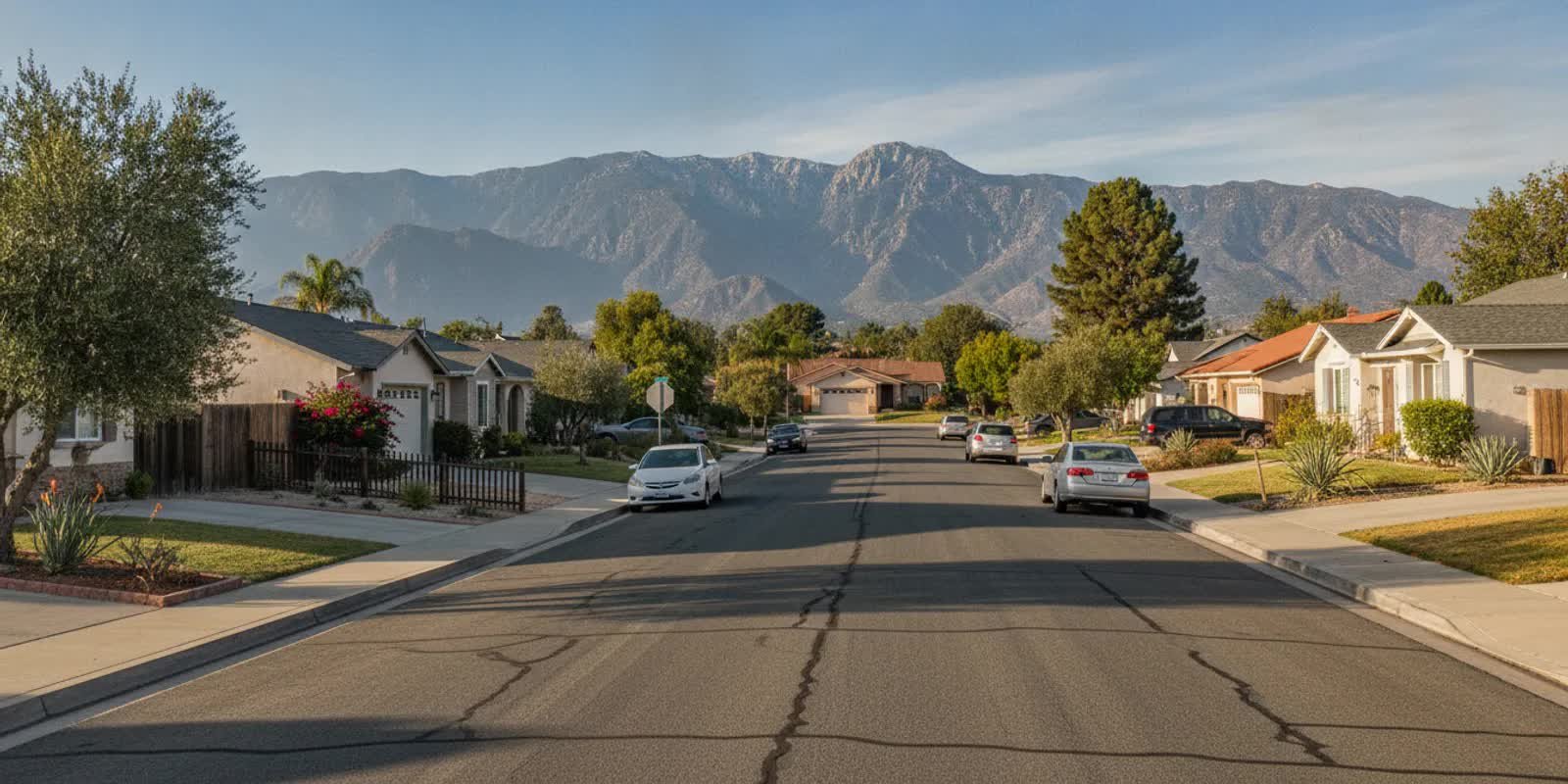
Searching for homes for sale in San Jacinto CA means weighing more than listing photos. Buyers should compare location, property condition, monthly costs, and daily travel needs across this inland Riverside County city. A consistent process can help you build a useful short list, verify details, and decide which trade-offs fit your household.
What should buyers know about San Jacinto?
San Jacinto sits in the San Jacinto Valley, east of Hemet and within Riverside County. Buyers will find established residential streets, newer subdivisions, and views toward surrounding hills. Services, costs, and property conditions vary by address, so check the specific home rather than assuming every part of the city has the same character.
Start by listing the destinations that shape an ordinary week: work, school, shopping, medical appointments, and family activities. Map routes from each candidate home at the times you expect to travel. A short distance on a map does not guarantee a predictable drive. Route choice, departure time, and road conditions matter.
| Home type or setting | What to compare | Questions to ask |
|---|---|---|
| Established single-family home | Condition, lot, systems, and maintenance history | What repairs may be needed soon, and what do disclosures say? |
| Newer subdivision home | Included features, builder documents, fees, and rules | Which items are included, and what recurring costs remain? |
| Home with a larger lot | Outdoor upkeep, access, drainage, and permitted improvements | How much time and expense will the lot require? |
| Home needing updates | Scope, timing, estimates, and financing plan | Can the work fit your budget and schedule? |
Write down the destinations your household visits most often.
Check city services and school assignment by property address.
Visit the immediate surroundings instead of judging only by the city name.
Note which errands are routine and which can be occasional trips.
San Jacinto is distinct from nearby Hemet, although the communities share the valley's regional network. If you are widening the search, Mogul's community information can help you compare locations without treating neighboring cities as interchangeable.
Which San Jacinto settings and homes should you compare?
San Jacinto has a mix of established blocks and planned newer-home areas. Rather than relying on a neighborhood label, compare street-level details: lot size, home age and style, access to main roads, nearby services, landscaping, and the feel of the block. Drive through in daylight and, if possible, return at another time.
For an established home, look closely at maintenance history, additions, roof and system age, and features that affect upkeep. For newer construction, review builder documents, included features, community rules, and any association obligations. Fresh interior finishes do not establish the condition of major systems, and a newer home still needs careful document review.
Notice traffic, parking, noise, shade, and the condition of nearby properties.
Check access to shopping, parks, and services your household uses routinely.
Ask whether an HOA, community fee, restriction, or shared facility applies.
Review parcel boundaries and recorded easements through available records and disclosures.
When comparing beyond San Jacinto, Mogul's guides to Menifee neighborhood settings and Murrieta areas for families can prompt useful questions. They are not substitutes for inspecting a specific San Jacinto property and its surroundings.
How should you compare housing choices and monthly costs?
Compare the full cost of ownership, not just the asking price. A useful estimate includes the mortgage payment, property taxes, insurance, utilities, maintenance, and any association charges. Tax obligations and insurance costs can vary by parcel and buyer, so seek property-specific figures rather than relying on general assumptions.
Use the same worksheet for every candidate. Record price, estimated monthly payment, tax estimate, insurance quote, association charges, and likely near-term repairs. Keep confirmed amounts separate from estimates. If one home has a lower asking price but needs a system replacement, include a realistic allowance for that work when comparing it with a maintained home.
Consider how timing changes the comparison. A repair needed before move-in may require available cash soon. A cosmetic project that can wait may be easier to plan over time, but only if the home remains comfortable and functional in the meantime. Ask for written estimates when the work is significant, and do not treat a rough online estimate as a contractor quote.
Do not assume a remodeled kitchen means the roof, plumbing, electrical, or heating and cooling systems are also updated. Ask for dates and supporting records, then use inspections to investigate condition. Mogul's guide to Mello-Roos and HOA fees explains why buyers should identify parcel-specific assessments and community charges. Confirm the actual obligations for any San Jacinto address.
What should you verify in a listing?
A listing is an introduction, not a complete condition report. Read the description, then verify important facts in disclosures, available records, and inspections. A repeatable checklist helps keep an appealing photo or rushed showing from distracting you from unanswered questions about the home.
Property facts: Confirm bedroom and bathroom count, square footage, lot size, and additions using available documentation.
Condition: Note visible wear and ask about the roof, plumbing, electrical, heating and cooling equipment, and known repairs.
Water and drainage: Look for grading concerns or signs of prior water intrusion, and ask about maintenance needs.
Monthly obligations: Verify taxes, insurance availability and cost, association dues, and assessments.
Location: Test routes to work and errands, and visit the block at different times.
Offer preparation: Review disclosures and relevant comparable properties with your real estate professional before deciding on terms.
For each showing, keep three columns in your notes: confirmed facts, questions to resolve, and personal impressions. “Seller provided roof invoice” belongs under documented facts. “Age of water heater unknown” belongs under follow-up. “Backyard feels private” is an impression. This separation makes later comparisons more dependable.
California buyers can consult the Department of Real Estate's consumer resources for official information about real estate transactions. Treat that material as a starting point and seek advice specific to your purchase from the appropriate professionals.
Property documents may raise questions that require different expertise. A real estate professional can help organize transaction questions, while an inspector evaluates visible condition within the inspection scope. For financing, title, insurance, legal, or tax matters, consult the relevant licensed professional. Track deadlines for reviewing disclosures and arranging inspections.
How do commute and daily routines affect the search?
Commute fit is personal, so test it before committing. Map the exact listing address to the places you travel most and check routes at the hours that matter. Include school drop-off, shopping, appointments, and weekend activities. Travel conditions can change, so one estimate is not a promise.
San Jacinto's valley location may work well for routines centered nearby. Buyers traveling farther west or toward coastal employment should assess that drive directly. If commuting is a major factor, make a trial trip before writing an offer and consider whether household members have different start times or destinations.
How long is the route at your usual departure time?
Are there alternate routes if a road is delayed?
Does the location suit household members with different schedules?
Can you reach essential errands without adding a difficult trip?
Compare real addresses, not broad city-to-city estimates. Buyers considering several Riverside County communities can also read Mogul's commuting guide to Wildomar. The better fit depends on your destinations, priorities, and specific home, not a universal claim about convenience.
Build a simple travel test for two or three finalists. Check the route on a weekday morning and again near the end of the workday. If you have a regular school or care drop-off, include that stop rather than measuring only home-to-office travel. Record the route, approximate time, and any difficult turns or bottlenecks you observed.
Also consider how often a trip occurs. A longer drive once a month may matter less than a less convenient route you take twice a day. Likewise, a nearby service is useful only if it fits your actual routine. Writing down frequency helps compare convenience without relying on a vague sense that a location is “close.”
How can you test a property's fit before deciding?
A useful comparison turns preferences into observable questions. Before touring, decide which features are essential, which are flexible, and which concerns would stop you from proceeding. After a showing, score each property against the same criteria instead of relying on memory or the emotional effect of a single feature.
For example, a household choosing between a larger-lot home and a newer subdivision home might compare outdoor maintenance, commute time, recurring fees, condition, and room for future needs. Give each item a simple rating such as strong fit, acceptable, or concern. The ratings are not due diligence, but they show where you need more information.
Make the exercise concrete. Suppose the larger lot offers outdoor space you value, but the yard requires more regular work and the home needs a roof estimate. The newer home may have fewer immediate projects, but its documents show recurring association dues and rules. Neither description decides the choice; your budget, time, and preferences do.
Ask each household member to identify their top three needs. Then check whether a disagreement is about a verifiable fact or a preference. A longer drive is measurable; a preference for a quieter street may require visits at different times. Separating those categories can make a decision more constructive.
Use a short follow-up list after each tour:
Which important facts were confirmed by documents?
What information is still missing, and who can provide it?
What costs or repairs need a written estimate?
Would the home still work if one preferred feature proved unavailable?
This method is useful when San Jacinto is one of several places under consideration. Compare it with Hemet or other Inland Empire communities using the same criteria, while keeping each address's services, costs, and travel pattern distinct. Avoid giving a city a broad score before you have considered the specific homes and routes that matter to you.
What steps take you from search to an informed offer?
A focused search moves from budget and needs to verification. Decide what you can comfortably spend with a lender, define priorities, and use one comparison method for every listing. This reduces the temptation to treat a low asking price or polished presentation as proof that a property is the right choice.
Set a budget range. Discuss financing, cash needed at closing, and reserves for repairs with your lender.
Rank priorities. Sort location, size, yard, condition, and commute needs into must-haves and trade-offs.
Screen listings. Compare property facts, estimated costs, and location using a worksheet.
Tour and investigate. Visit the home and block, then request relevant disclosures and follow-up information.
Evaluate offer terms. Discuss price, timing, contingencies, and risk tolerance with your real estate professional.
Complete due diligence. Arrange appropriate inspections and review documents before applicable deadlines.
Market conditions and a seller's position can affect the terms available for a particular listing. Avoid relying on a broad market claim to decide what a home is worth. Review relevant recent sales and current competition for the property type and location, while accounting for differences in condition, lot, and features.
Before making an offer, revisit the budget worksheet with actual information as it becomes available. Replace placeholders with lender figures, insurance quotes, tax details, association documents, and repair estimates where possible. If an important amount remains uncertain, decide whether you need an answer before proceeding or can address it during the transaction's review process.
Keep a decision log for each finalist. Note the date you reviewed the listing, what documents were available, which professionals you consulted, and the next deadline. This record helps when several homes are active at once. It also makes it easier to explain why you chose one property over another after the excitement of touring has passed.
Mogul's guide to buyer move-in costs can suggest questions to ask about expenses after closing. Its examples focus on Murrieta, so use them as prompts rather than San Jacinto estimates. Your lender and relevant service providers can help develop figures for your own transaction.
Explore homes and save your search
Frequently Asked Questions
Is San Jacinto different from Hemet?
Yes. San Jacinto and Hemet are separate cities in the San Jacinto Valley, though residents may share regional services and travel routes. Check the address, city services, school assignment, and everyday routes for each property.
What costs should I verify for a San Jacinto home?
Estimate the mortgage payment, property taxes, insurance, utilities, maintenance, and any association dues or assessments. Confirm amounts for the actual parcel and your financing situation instead of relying on a general citywide estimate.
How can I assess a home's commute?
Map the exact address to your regular destinations and test the route at the times you expect to travel. Consider alternate routes and household members' trips beyond work.
Should I consider newer construction?
It can be one option. Compare purchase terms, included features, construction details, fees, and community rules with established homes. Review documents and arrange appropriate inspections before moving forward.
With a consistent checklist and property-specific verification, you can compare San Jacinto homes more clearly and focus your search on the location, costs, and features that fit your household.