
How Far Is Carlsbad from San Diego? Relocation Guide
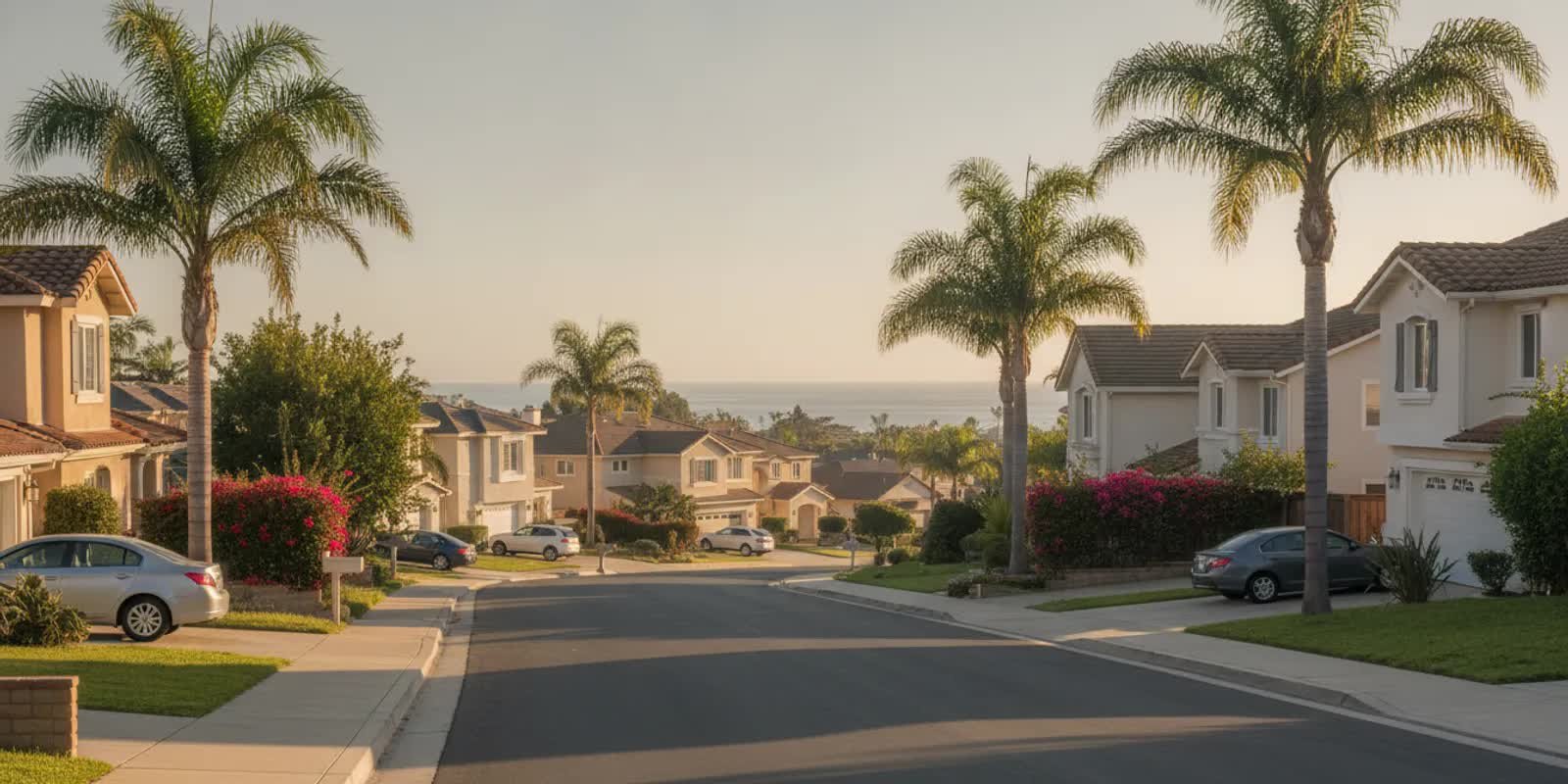
If you are asking how far is Carlsbad from San Diego, the short answer is about 35 miles by road from Carlsbad Village to downtown San Diego, depending on the exact start and end points. The distance is manageable for some daily commutes, but route, traffic, work hours, and neighborhood choice can change the experience significantly.
Talk with Mogul about your coastal home search
How far is Carlsbad from San Diego by road?
Carlsbad sits north of San Diego along the coast. From Carlsbad Village to downtown San Diego, a common driving route is roughly 35 miles on Interstate 5. The mileage is not a fixed number for every trip: a home in eastern Carlsbad and a destination in La Jolla, Mission Valley, or central San Diego produce different routes and totals.
For a useful first estimate, compare the actual home address with the regular destination rather than relying on a city-to-city figure. Carlsbad stretches inland as well as along the coast, and San Diego covers a large area. A trip to downtown is not the same as a trip to the University City area or to a workplace farther south.
Use a map app at the times you expect to travel, and check more than one weekday. The route estimate can change with congestion, construction, incidents, and the time of day. The California Department of Transportation is a useful official starting point for statewide highway and travel information; confirm current conditions before setting out.
As you consider homes, compare the practical route to work with the route to places you visit regularly. A home that adds a few miles may still suit you better if it offers a simpler freeway connection or places daily errands closer to home.
Which routes connect Carlsbad with San Diego?
Interstate 5 is the main north-south corridor for coastal trips between Carlsbad and San Diego. State Route 78 connects the Carlsbad area east toward inland communities and Interstate 15, while Coast Highway 101 can serve local coastal trips. Each option has a different purpose, so the best route depends on your origin, destination, and time of travel.
For a drive to downtown, I-5 is often the most direct choice, but a direct route is not automatically a quick route. Coast Highway 101 may be attractive for nearby coastal destinations but is not a substitute for a freeway commute across the county. CA-78 can be useful for east-west travel rather than a direct alternative for every trip south.
The COASTER offers a rail alternative between North County and central San Diego. Carlsbad riders can look at the Village and Poinsettia station areas, then consider how they will get from the arrival station to work. Check current schedules and service notices before depending on rail for a daily routine, as a train timetable may not match every work shift.
Compare each route door to door, not just from a freeway entrance to an exit. Include the drive or walk to a station, parking, waiting time, transfers, and the final leg to work. You can also explore Mogul's community information for local areas while noting which neighborhoods keep your preferred route convenient.
What changes the Carlsbad-to-San Diego commute?
Commute time depends more on the exact trip and schedule than on the city names alone. Peak traffic, a shift in departure time, freeway incidents, worksite location, and last-mile travel can all affect the time you spend traveling. Test your likely routine before you choose a home, including the return trip and any regular stops.
Start with the work address and the hours you must be there. A commute to downtown San Diego may involve a different mix of freeway and city streets than a trip to La Jolla, University City, or a job site along the coast. If your employer allows flexible hours or remote days, model those days separately rather than assuming every week looks alike.
Check the route during your actual departure window on several weekdays.
Compare the morning trip with the return trip, including the time you normally leave work.
Test an alternate route and note whether it is a realistic backup or only a map suggestion.
For rail, add station access, waiting, schedule, and the final connection to the commute.
Include school drop-offs, child care, errands, or other stops that are part of your normal week.
Traffic estimates are snapshots, not promises. Incidents, road work, weather, and event traffic can change a trip without warning. Before a move, try the route during the relevant times if possible. If you cannot test it in person, compare map estimates over several days and ask your employer or future neighbors what travel pattern they experience, then verify the details yourself.
Think about how much predictability matters to you. A commute that is acceptable twice a week may feel different five days a week. A transit option may reduce driving but add a walk or transfer. A coastal address may shorten the distance to the ocean while still requiring a lengthy trip to an inland workplace.
How do Carlsbad neighborhoods compare for access?
Carlsbad is not one uniform neighborhood. Carlsbad Village, the Poinsettia area, Bressi Ranch, Calavera Hills, and La Costa each offer a different setting and access pattern. Compare a specific home's streets, freeway connection, station access, shopping, and daily destinations instead of treating all Carlsbad addresses as equally close to San Diego.
Carlsbad Village offers a coastal, walkable setting around local shops, restaurants, and the Village station area. Homes farther inland may provide a different neighborhood feel and a different balance of freeway access, lot style, and nearby services. Poinsettia can be relevant for buyers who want to assess proximity to its rail stop, while Bressi Ranch and Calavera Hills warrant a direct drive-time test for each destination.
La Costa is another broad area to evaluate by address. Its location may suit one buyer's work and recreation pattern but not another's. Look at the route from the actual property to I-5, CA-78, or the nearest transit option rather than assuming a neighborhood label settles the question.
List your three most frequent destinations and test each from a sample address.
Check whether your preferred grocery, medical, recreation, and child-care options are nearby.
Review school district boundaries and school assignments directly; boundaries can vary by address and change.
Compare street noise, parking, walkability, and the feel of the block at different times.
School research deserves an address-level check. Carlsbad Unified serves much of the city, while boundaries and high school assignments should be confirmed with the relevant district rather than inferred from a neighborhood name. If you are comparing Carlsbad with Oceanside or San Diego, verify each property's district, assigned schools, and enrollment details independently.
Mogul's community pages can help you orient your search across its service areas. For a broader coastal comparison, you can also browse featured homes and note how location, layout, and access differ from one listing to another.
What should home shoppers compare between Carlsbad and San Diego?
Compare total monthly cost, neighborhood fit, and the time required for your real routine, not just home prices or commute miles. Carlsbad and San Diego contain varied housing options, and the right comparison is between specific homes that meet your needs. Budget for ownership costs and test the routes you will actually use before making an offer.
The available company market context describes San Diego County as a tighter market, with about 2.2 months of inventory and a median price around $1.08 million in 2026. Its Temecula Valley comparison shows roughly 4.2 months of inventory and median prices in the $725,000-$850,000 range. These broad regional figures are not current quotes for an individual home or neighborhood; use them only as context and verify current data as you narrow your search.
Carlsbad and San Diego are both within San Diego County, but local prices can vary sharply by neighborhood, property type, condition, and proximity to the coast. Do not assume one citywide median represents the home you want. Compare recent, similar properties and account for any association fees, property taxes, insurance, maintenance, and commuting costs.
Temecula and Murrieta provide a useful inland point of comparison for some households weighing coastal access against housing budget. They are not a direct substitute for living near the coast: the trip to San Diego is much longer, and commuting patterns differ. Mogul's core Temecula Valley experience can help frame that regional tradeoff, but the decision should reflect your own work and lifestyle needs.
Set a comfortable monthly housing budget before comparing asking prices.
Compare similar property types, bedroom counts, condition, and outdoor space.
Include estimated taxes, insurance, association dues, utilities, upkeep, and transportation.
Check whether a shorter commute is worth a different home size, neighborhood, or purchase budget.
If you are moving from inland Riverside County or elsewhere in Southern California, compare the full routine rather than a single commute. A household may accept a longer trip for a larger home or more space, while another may prioritize access to the coast, rail, or a specific workplace. The right answer depends on how often you travel and what you value at home.
For help organizing the property side of the comparison, Mogul's home analysis resource is available to homeowners considering a sale. Buyers can use the Mogul seller information when evaluating the brokerage's approach, and can contact the team with questions about a coastal search.
How can you test a move before choosing a home?
A practical relocation test combines a route trial, a neighborhood visit, and a home-cost comparison. Give yourself a small set of candidate areas, then test each against the same work schedule and daily needs. This keeps a memorable tour or one unusually light traffic day from carrying too much weight in your decision.
Pin down the real destination. Use the office, campus, or client site you expect to visit, not a generic downtown marker.
Choose a few representative addresses. Include different parts of Carlsbad and at least one San Diego alternative if both remain in consideration.
Check travel at realistic times. Compare drive estimates, transit schedules, parking, and the last mile for the days you expect to commute.
Visit the area in context. See the street, nearby services, freeway access, and station approach at more than one time of day.
Compare total ownership costs. Use actual listing information and confirm taxes, fees, insurance, and other expenses for each property.
Write down what would make a commute workable for you. You might set a maximum number of office days, a preferred train connection, or a limit on time spent driving. Then score each home against the same criteria. A simple written comparison can expose a tradeoff that is easy to overlook during a busy search.
If your plans are not settled, consider how the home would work under more than one scenario. A future office move, school change, or change in remote-work policy can alter the value of a location. You cannot predict every change, but you can avoid choosing a property that only works under one narrow set of assumptions.
Buyers comparing areas from Temecula to the coast can look at Mogul's Southern California community overview and use the available listing examples to clarify preferences. For address-specific options and questions, contact Mogul Real Estate to discuss the search.
Plan your Carlsbad and San Diego home search
Frequently Asked Questions
Is Carlsbad close enough to San Diego for a daily commute?
It can be workable for some commuters, but the answer depends on the destination, schedule, and tolerance for traffic or transit connections. Test the door-to-door trip at your regular travel times before deciding, and compare the full week rather than a single drive.
Is Carlsbad or San Diego closer to the beach?
Both include coastal neighborhoods and inland areas, so the answer depends on the specific address. Compare the actual walk or drive to the beach and your regular destinations. A city name alone does not show how convenient a particular home will be.
Can I take a train from Carlsbad to San Diego?
The COASTER connects North County with central San Diego, and Carlsbad has Village and Poinsettia station areas. Check the current timetable, service updates, station access, and your final connection before relying on rail for work or appointments.
Should I compare Carlsbad with Temecula when relocating?
Compare them if your work and lifestyle make both plausible, but account for the much longer inland-to-coast trip from Temecula. Look at specific homes, monthly costs, and the number of days you need to travel before treating the areas as alternatives.
The best choice comes from matching an actual home and route to the way you expect to live, then verifying the details before you commit.
| Option | Best suited to | What to compare |
|---|---|---|
| I-5 | Coastal north-south driving and downtown-bound trips | Peak congestion, destination exits, parking |
| CA-78 | East-west access toward inland North County and I-15 | How far inland you need to travel before connecting |
| Coast Highway 101 | Local coastal errands and shorter trips | Signals, slower speeds, local traffic |
| COASTER rail | Some trips between North County and central San Diego | Station access, schedule, last-mile connection |