
What Is a Seller Disclosure in California Real Estate? Explained
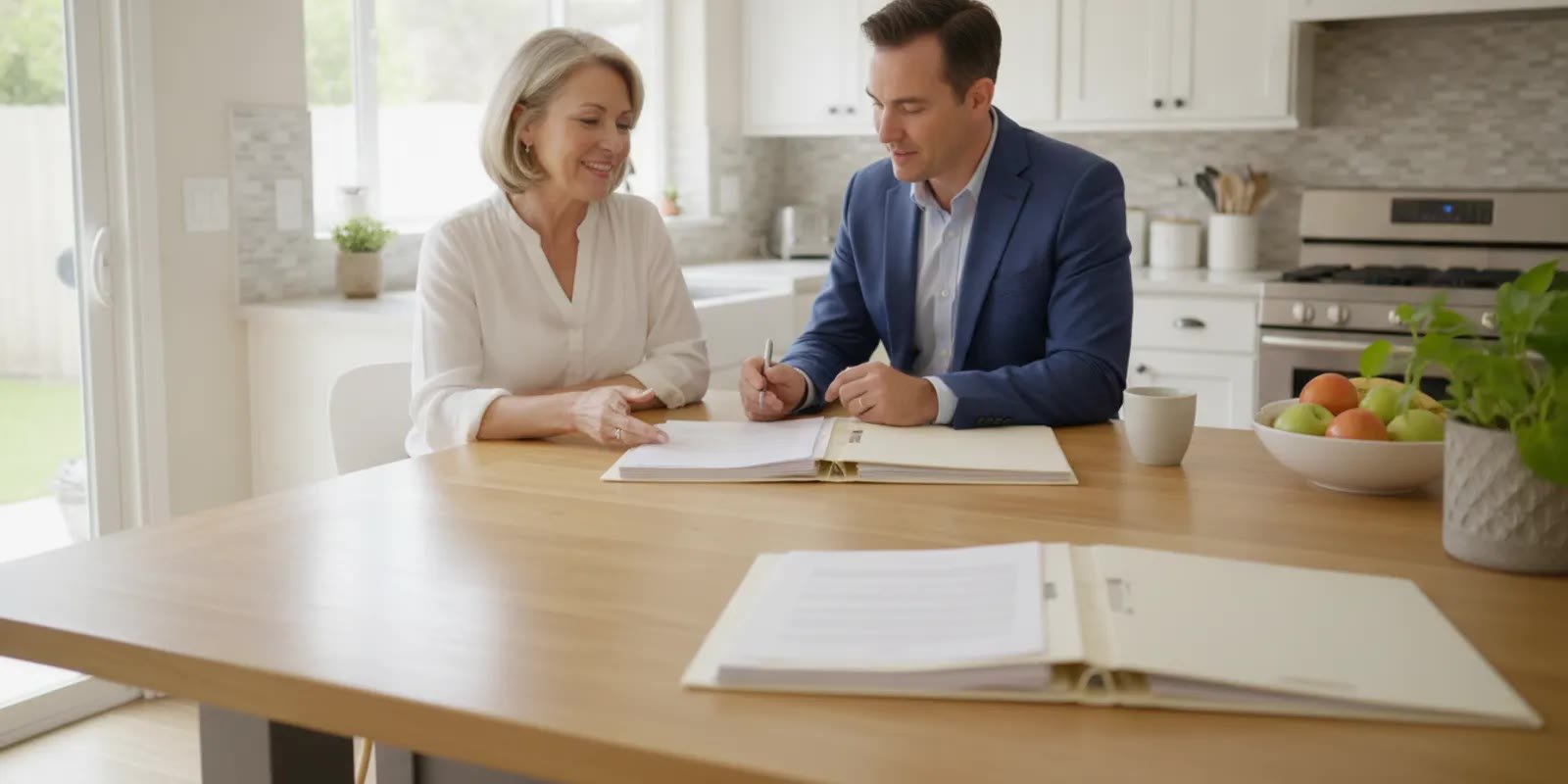
If you are asking what is a seller disclosure in California real estate, it is a set of written statements and notices that communicates information about a property's condition and other relevant circumstances. For a Temecula-area seller, the practical goal is to answer each applicable question honestly, explain known issues clearly, and give buyers a useful basis for their review.
Schedule a conversation about your sale
What does a seller disclosure mean in California?
A seller disclosure is a written record of information a seller knows and is asked to provide about a home. It is not a warranty that every part of the property is problem-free, and it is not a substitute for an inspection. Its purpose is to make relevant facts available so buyers can ask questions and investigate further.
The disclosure packet may include several forms, reports, and notices. Which ones apply depends on the property and transaction. Sellers should read the actual questions rather than rely on a generic checklist, because the wording and scope of a particular form guide the response.
In practical terms, complete disclosure work has three parts: gather reliable information, answer each applicable question accurately, and keep a copy of what was provided. If you are planning a Temecula sale, the local seller guide for Wildomar also offers nearby-market context, although each property's forms and facts remain specific to that sale.
Which forms and notices might a California seller encounter?
There is no single disclosure document that covers every possible issue in every sale. Sellers may be asked to complete property-condition forms, review a hazard report, or provide specific notices. The table below describes common categories as an orientation only; it does not decide what is required for a particular property.
Forms can change, and exemptions or special circumstances may affect which documents apply. A document's presence in this table does not mean every seller must complete it. Ask the transaction professional handling the sale to identify the forms that fit your circumstances, and consult a lawyer when you need legal advice.
The California Department of Real Estate provides consumer and real estate information through its official website. For a specific transaction, confirm current requirements with a qualified professional rather than relying on a general article or an old form you find online.
What information should a seller report?
Answer the questions asked with facts you know about the home. Be direct about conditions, past events, and work done on the property when the form asks about them. Avoid guessing, minimizing, or assuming that a repaired problem no longer matters; explain what you know and preserve supporting records.
Condition and systems: Note known problems with the roof, plumbing, electrical systems, heating or cooling, drainage, or other components when the form asks.
Water and damage history: Describe known leaks, water intrusion, flooding, or damage, including work performed afterward if relevant.
Repairs and replacements: Identify significant work you know about, approximate timing when known, and any invoices, warranties, permits, or contractor paperwork you have.
Alterations: Report known additions or renovations as requested, and do not claim permit status unless you have a reliable basis for that answer.
Shared features and rules: Consider applicable questions about boundaries, shared structures, access, associations, fees, or use restrictions.
Other known circumstances: Read each form for questions that do not fit neatly into the categories above, and provide a clear explanation when appropriate.
This list is a prompt for organizing your thoughts, not a substitute for the form. One seller may know about a roof repair, while another may have no information about the roof's earlier history. State what you know, distinguish it from what you assume, and follow the form's instructions for unknown or not-applicable answers.
For example, if you replaced a water heater, a concise response might identify the replacement year if known and point to an invoice or warranty. If you only know that the work occurred before you bought the home, say so rather than inventing a date. Specific, bounded answers are more useful than confident guesses.
How can Temecula-area sellers prepare disclosures?
Start before the forms arrive. A little organization makes it easier to answer from records and memory together, especially when a home has had several owners or years of repairs. Sellers in Temecula, Murrieta, and nearby communities can use the same basic workflow, then address the property's individual features.
Make a property file. Gather purchase paperwork, prior inspection documents, repair invoices, warranties, permits, and records for major improvements. Keep digital copies together and label them by topic or date.
Walk through the home. Note current conditions and recall past concerns that have been repaired or are no longer visible. The purpose is to collect information, not to conduct a technical inspection or diagnose a hidden cause.
Compare notes with co-owners. Ask each owner what they know. One person may remember a repair or contractor discussion that another person did not handle.
Check dates and supporting details. Use paperwork for dates, model information, or permit references where available. If a detail is uncertain, do not turn an estimate into a definite statement.
Complete one form at a time. Read the entire question, answer every applicable part, and add a short explanation when a yes or no could leave the situation unclear.
Review the packet as a whole. Check that names, dates, and attachments are consistent. If two documents appear to conflict, pause and ask the transaction professional how to address it.
Keep the final version. Save copies of signed forms and the documents delivered with them. A well-organized file helps you refer back to exactly what was shared.
Some property details need extra coordination. If an association is involved, request current documents and confirm who is responsible for obtaining them. If the home has an addition, gather available plans, permits, or contractor records without assuming that the paperwork settles every question about the work.
Solar equipment, leased systems, or other agreements can also involve documents beyond a simple description of the panels or equipment. Locate the agreement and related records, then make sure the transaction team understands the arrangement. For general local context, Mogul's Temecula-area community information can help orient sellers to the region, but it does not replace reviewing property-specific records.
Sellers who are planning the broader listing process can also review Mogul's seller representation information. That page can help frame questions about working with a brokerage; disclosure answers themselves should still come from the seller's knowledge and applicable transaction documents.
How should you handle repaired issues or an answer you do not know?
A repaired issue may still be relevant when a form asks about past problems, repairs, or the home's history. Read the precise question and answer it as written. If you have records, use them to describe what happened and what work was completed; do not imply that a repair guarantees the underlying issue can never recur.
Consider a seller who noticed a ceiling stain after a leak, hired a contractor, and later repainted. A useful preparation file might include the approximate date, invoice, any report about the source, and records of the repair. The disclosure should reflect what the seller actually knows and what the form asks, not a conclusion beyond the available evidence.
Now consider an older repair with no invoice. The seller may remember that work occurred but not the exact year or scope. The right response is not to fill the gap with a precise-sounding guess. Follow the form's instructions, state the limits of your knowledge where permitted, and ask a qualified professional if the question is unclear.
When you do not know an answer, distinguish that from an answer that is not applicable. Those are not necessarily the same thing. Use the choices or explanation fields the form provides, and avoid leaving a required response blank without first checking what the form asks you to do.
If co-owners disagree about a detail, do not silently choose the more convenient version. Compare documents and memories, note what remains uncertain, and ask the transaction professional or a lawyer how to respond. The goal is a clear and supportable answer, not an artificial appearance of certainty.
What happens after the buyer receives the disclosures?
Buyers typically review the provided information as one part of evaluating a home. They may ask follow-up questions, compare answers with records, or arrange inspections and other investigations. A disclosure does not eliminate the buyer's need to decide what additional review is appropriate for their own circumstances.
A seller can help keep the exchange clear by responding to questions through the appropriate transaction channel and referring to documents when available. Avoid promising that a condition is harmless or permanently resolved unless an appropriate professional has established that and the statement is accurate. If you do not know, say so rather than improvising an assurance.
If you discover that a prior response was incomplete or incorrect, do not assume it is too late to address. Tell the professionals handling the transaction promptly and provide the relevant facts or records. They can help determine the proper way to communicate an update under the circumstances.
Questions may also lead to discussions about repairs, credits, timing, or other terms. Disclosure is not a promise that a buyer will accept the property as-is, nor does it dictate how a negotiation will end. The practical benefit is a more informed conversation based on the information available to both sides.
For sellers comparing preparation tasks, Mogul's home analysis resource addresses a separate planning question: understanding a home's value. A valuation does not determine what should be disclosed, but handling pricing and property information as distinct tasks can make the overall sale process easier to organize.
Which disclosure mistakes can sellers avoid?
Most avoidable problems begin when sellers rush, answer from incomplete memory, or treat an ambiguous question as if it were obvious. A calm review of the form and the records can catch gaps before the packet is finalized. If legal responsibility is uncertain, seek qualified advice rather than relying on assumptions.
Do not treat a repair as erasing the history. Read whether the form asks about current condition, prior problems, repairs, or more than one of these.
Do not guess about permits or dates. Look for records and describe uncertainty instead of presenting a hunch as fact.
Do not use vague labels alone. If you answer yes, add enough detail to identify the issue and its known resolution, when the form allows.
Do not assume the buyer's inspection replaces your answers. The inspection and the seller's responses serve different roles.
Do not rely only on a conversation. If the form calls for a written response, use the appropriate written process.
Do not conceal a concern to avoid a question. Complete each applicable prompt carefully and raise uncertainty with the people handling the transaction.
Disclosure forms can carry legal consequences, and this article is general information, not legal advice. For a question about liability, an exemption, a contract, or a dispute, consult an attorney or another qualified adviser. To plan the sale itself, Mogul's real estate articles offer additional general guidance, while transaction-specific questions should go to the appropriate professional.
Talk with Mogul about preparing to sell
Frequently Asked Questions
These answers address common seller questions at a general level. The forms used in your transaction and the facts about your property control the details, so check the actual documents and ask a qualified professional when you need guidance tailored to your situation.
Is a seller disclosure the same as a home inspection?
No. A disclosure records the seller's answers and information requested in the transaction. An inspection is an evaluation a buyer may arrange to learn more about the home's condition. They serve different purposes, and one does not replace the other.
Should I mention a problem that was repaired?
Read the exact form question and answer it truthfully. If it asks about prior issues or repairs, include the relevant information and explain what you know about the work. Keep invoices, permits, warranties, or other supporting records available if you have them.
What if I have owned the home only briefly?
Answer from your own knowledge and follow the form's instructions. Do not guess about events before your ownership. Review records available to you and ask the transaction professional how to handle a question when you cannot determine the answer.
Does completing disclosures guarantee that the buyer will proceed?
No. A buyer may ask questions, investigate further, or make decisions based on the disclosures and other parts of the transaction. Careful answers help provide information, but they do not guarantee acceptance, prevent negotiation, or promise a particular result.
Gather records early, answer each question carefully, and get qualified guidance when a property-specific or legal issue goes beyond general information.