
What Documents Do I Need to Sell a House in Temecula?
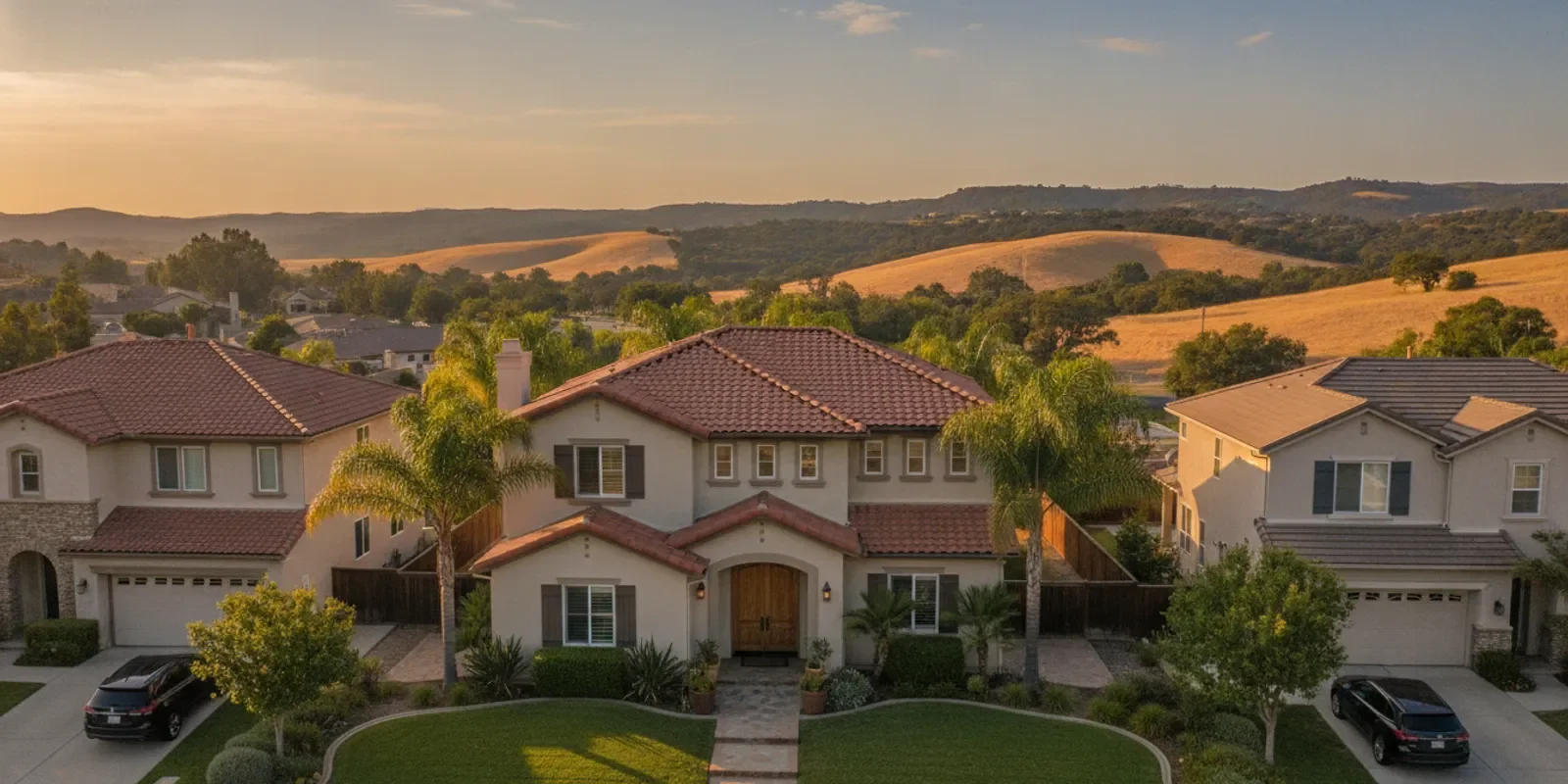
For a Temecula seller, the documents needed to sell a house depend on ownership, the property, and the transaction. Start with your deed, mortgage information, property details, and records about repairs or improvements. Gathering them early can help you answer buyer questions and keep the sale moving.
Browse available homes and explore the Temecula Valley market
Which documents should a Temecula seller gather first?
Begin with paperwork that confirms who owns the home, what loans or liens may need to be paid, and what information you can provide about its condition. You do not need every closing form before speaking with a real estate professional. A well-organized starting file makes it easier to identify what is missing and which requests need time.
Ownership records: A copy of the deed, trust paperwork, or other records showing how title is held.
Loan details: Recent mortgage statements and lender contact information for each loan secured by the property.
Property information: Recent property-tax bills, insurance details, utility information, and any available survey or site plan.
Improvement records: Receipts, permits, warranties, and contractor information for substantial work.
If you are still deciding whether to sell, a home valuation and comparative market analysis can help you consider the home's likely market position. A valuation is not a substitute for title, tax, or legal records, but it can be a useful early planning step. It can also give context for deciding whether to invest time in locating older project files before setting a timeline.
Keep originals safe and create a digital folder with clear file names. Do not send sensitive financial or identity documents through an unverified channel. Ask the professional handling the transaction how documents should be delivered, who will have access, and whether copies or originals are needed.
What ownership and financing records matter?
Ownership and financing records help establish who can sign and what must be resolved at closing. A title or escrow professional will examine title and coordinate payoff information, but sellers can save time by flagging trusts, multiple owners, refinances, or other unusual circumstances early. The exact paperwork depends on how title is vested and what is found during review.
Deed, trust, and authority to sign
Find a copy of the deed if you have one. It may show whether title is held by one person, co-owners, a trust, or another entity. If an owner has died, is unavailable, or is acting through a trust or company, additional authority documents may be needed. Requirements vary, so do not assume that a deed copy alone answers every signing question.
Tell the transaction professional about name changes, co-owners, divorce-related title changes, or estate matters. Early notice gives the title and escrow teams a chance to identify the right documents and signers. For legal questions about ownership or authority, consult a qualified attorney rather than relying on a general checklist.
Mortgage, equity line, and lien information
Gather the latest statement for every mortgage or home-equity line secured by the property. Include lender contact details and account information only through a secure process. A statement is not a final payoff demand; payoff figures are generally requested for the transaction and can change over time.
Also disclose known liens or recorded obligations, such as a contractor lien or unpaid assessment. A title review helps uncover recorded matters, but sellers should not rely on that review to replace sharing information they already know. Ask how open credit lines will be handled before closing, including whether a lender requires a particular procedure to close or freeze an account.
For local context, Mogul's Temecula communities guide can help sellers orient buyers to neighborhoods. A neighborhood description does not replace property-specific records, and it should not imply a school assignment or boundary without checking the address with the district.
What disclosures and property records should you prepare?
California home sales generally involve seller disclosures and other transaction forms, with the exact documents depending on the property and applicable exemptions. Sellers should answer questions honestly and completely based on what they know. Gather supporting records, but do not guess about a condition or claim that work was permitted unless you can verify it.
Condition, repairs, and known issues
Make a list of completed repairs, recurring maintenance, and known problems. Useful supporting files may include:
Invoices and warranties for roofing, HVAC, plumbing, electrical, windows, or other substantial work.
Inspection reports, pest reports, and receipts for completed corrective work.
Records of water intrusion, drainage concerns, leaks, or insurance claims, if applicable.
Appliance manuals and transferable warranties, where available.
Documents help you recall dates and details, but they do not replace required disclosure forms. Do not conceal a known issue because it has been repaired; describe the issue and the work accurately through the appropriate process. If you are uncertain what a form asks, request guidance rather than leaving an answer misleading.
Permits and improvements
For additions, converted rooms, major renovations, or equipment installations, collect permits, plans, final approvals, and contractor records if you have them. If you cannot locate paperwork, say so. Do not describe a room as permitted or an improvement as code-compliant without a basis for that statement.
Older Temecula homes and newer properties in expanding parts of the valley can have different improvement histories. The right records depend on the actual work, not simply the neighborhood or year built. Sellers can ask the relevant local jurisdiction how to request public permit records, while recognizing that available records may not answer every question about past work.
How do HOA, tax, and local details affect the file?
Community rules and local records can add practical steps to a sale. If the property is in an association, request current governing documents, fee information, assessment details, and resale-package instructions. Processing times and charges vary by association, so ask early rather than waiting until a buyer is under contract.
Temecula sellers may be in a planned community near Harveston, a golf-oriented neighborhood, or another part of the valley. Murrieta, Wildomar, Menifee, and Lake Elsinore also include varied community arrangements. The address and governing documents determine what applies; a city name alone does not.
Document groupExamples to locateWhy it can matterWho may help verifyOwnershipDeed, trust or entity authority, co-owner detailsIdentifies ownership and signing needsTitle or escrow professional; attorney for legal questionsFinancingMortgage statements, equity-line details, lien informationSupports payoff coordination and title reviewLender and escrow holderProperty conditionRepair receipts, inspection reports, warrantiesHelps complete accurate disclosures and respond to questionsSeller and transaction professionalImprovementsPermits, plans, contractor invoices, final approvalsProvides context about work performedLocal permitting agency and contractor, as applicableAssociationCC&Rs, rules, dues, assessments, resale packageExplains community obligations and buyer informationHOA or management company
Property-tax bills, insurance information, utility providers, and notices about special assessments can also be useful. Do not treat a tax bill as proof of market value or assume that a buyer's future tax bill will match yours. Tax treatment depends on the buyer and transaction, so direct tax questions to a qualified tax professional.
California's Department of Real Estate is a government resource for information about real estate licensing and consumer matters. It is not a substitute for individualized legal, tax, or transaction advice. Use official local channels for address-specific permit questions, and confirm which agency has jurisdiction before requesting records.
How can you organize records and avoid preventable delays?
Make one folder for ownership and financing, another for the property and improvements, and a third for community and closing paperwork. Keep a simple index of each file, its date, and whether it is an original or a copy. This makes it easier to answer a request without repeatedly searching email, paper files, and lender portals.
Start with a property file. Collect the deed, loan statements, tax bill, insurance details, and any available plans or surveys.
Build an improvement timeline. Note major work, approximate dates, contractors, permits, and where supporting receipts are stored.
Request third-party records early. Contact the HOA, lender, or relevant agency about forms, authorization, costs, and estimated turnaround.
Answer disclosure questions carefully. Use your records and personal knowledge; flag uncertainty instead of inventing an answer.
Use a secure handoff. Confirm the recipient and delivery method before sharing private account or identity information.
A practical index can be a short spreadsheet with columns for the document name, date, source, file location, and next action. For example, a seller might list a roof invoice from a local contractor, mark the permit status as “not located,” and note that the city record request is pending. That is more useful than labeling a folder “roof” and later trying to remember whether it contains an estimate, paid invoice, inspection, or final approval.
Separate verified facts from open questions. You may know that a water heater was replaced but not remember the year or whether a permit was pulled. Record what you know, identify the missing detail, and ask the appropriate professional or agency what to do next. Do not convert a reasonable guess into a definite statement simply to complete a form quickly.
A missing record does not always stop a sale. Tell the transaction team what you cannot find and ask what alternative information is acceptable. Avoid ordering duplicate reports or paying for a document before confirming whether it is needed and who should request it. If a record request is delayed, keep the request date and response in your index so everyone can see its status.
As you prepare, reviewing Mogul's seller information can help you understand its brokerage approach. You can also read the Wildomar seller guide for nearby-market context while keeping your own home's facts distinct. These resources are background, not substitutes for your own title, disclosure, or escrow documents.
What should sellers know about Temecula market context?
Market conditions influence pricing and buyer questions, but they do not change which records truthfully describe your individual property. Mogul's available 2026 market context describes Temecula Valley inventory at about 4.2 months and median prices in a broad $725,000–$850,000 range. These figures are regional snapshots, not a current quote or a prediction for a specific home.
Location, condition, lot, improvements, and listing timing all affect how a particular property compares. A home near Old Town Temecula, a property in Harveston, and a home in Murrieta can draw different buyer questions even when sellers are preparing similar paperwork. Review current comparable sales and listing conditions before making pricing decisions, and keep the date and source of any market figures you discuss.
Area landmarks and school districts can help buyers orient themselves, but sellers should be precise. A reference to Old Town Temecula, the Pechanga area, or a local school district is context, not a promise about commute times, school placement, or future development. Buyers should confirm school assignments and boundaries directly with the appropriate district for the specific address.
The wider Southern California backdrop also matters for some households moving between coastal and inland communities. Carlsbad, Oceanside, La Jolla, and San Diego have different housing and lifestyle contexts from Temecula Valley communities; Murrieta, Wildomar, Menifee, and Lake Elsinore each have their own neighborhood patterns. Sellers can help buyers compare locations by sharing accurate property records and specific address details rather than relying on broad regional claims.
For neighborhood context and available homes, see Mogul's featured listings. Market data changes, so confirm current figures with a local professional before relying on them in a sale plan. Keep the selling file focused on your own home's ownership, condition, improvements, and applicable community requirements.
Request a complimentary home valuation
Frequently Asked Questions
Do I need the original deed to sell my Temecula home?
Usually, a copy can help start the process, and the title team can review the public record. Ask the title or escrow professional what is needed for your situation, particularly if ownership involves a trust, estate, or multiple parties.
What if I cannot find permits for an improvement?
Do not guess or claim the work was permitted. Share what you know, gather contractor or project records, and ask the transaction professional how to disclose the available information. You may also inquire with the relevant local permitting agency.
Should I get a home inspection before listing?
That is a decision to discuss with your real estate professional. An inspection may help identify issues to evaluate, but it does not remove disclosure obligations or guarantee that a buyer will accept the property without further review.
How early should I request HOA documents?
Request them as soon as you know the home is in an association and you are considering a sale. Ask about the resale package, fees, required authorization, and turnaround because each association sets its own process.
Start with the records you have, identify what is missing, and confirm property-specific requirements with the professionals handling your sale. That practical preparation can make a Temecula home sale clearer for both you and prospective buyers.