A Buyer's Guide to Homes for Sale with a Pool
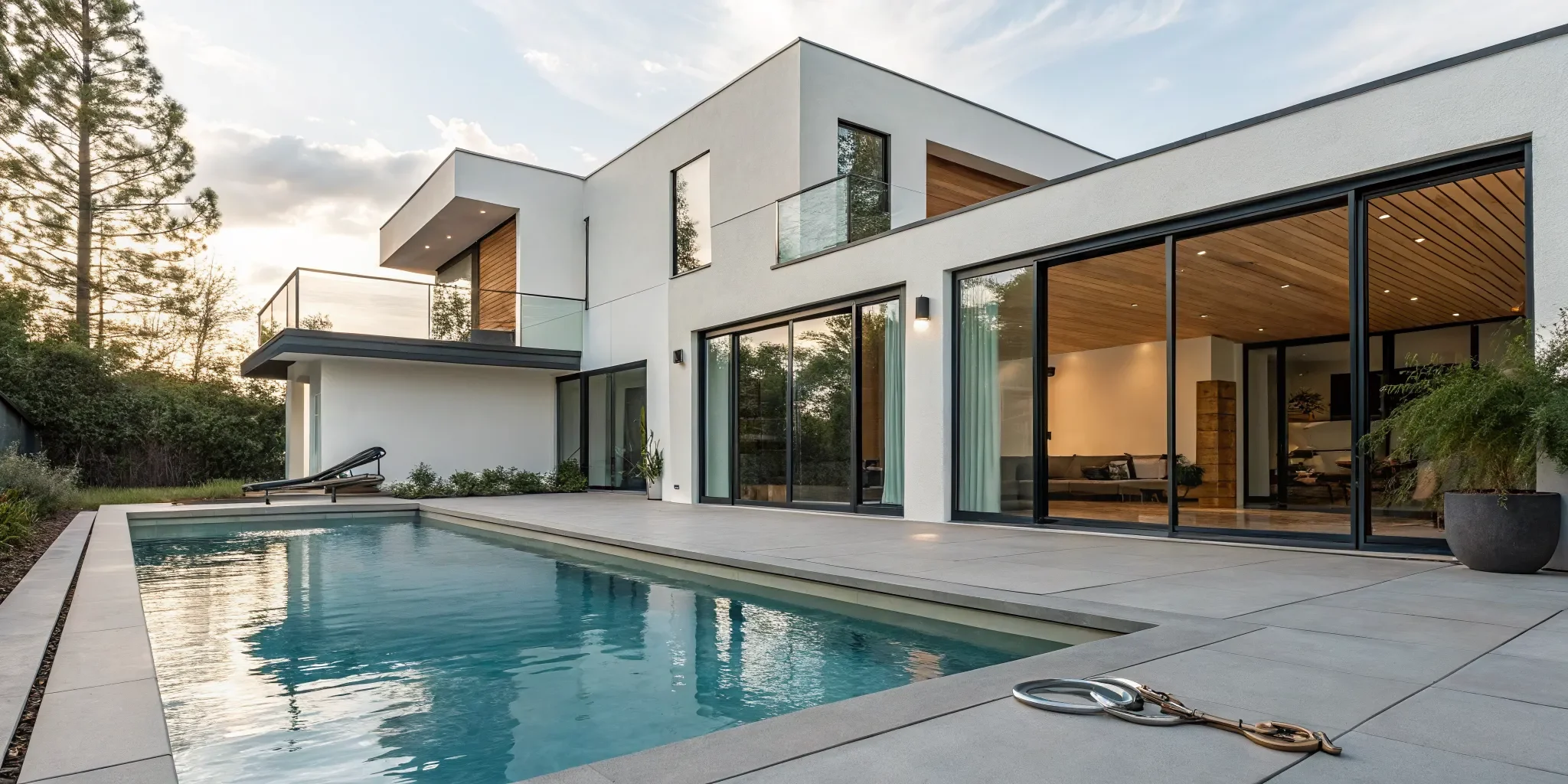
The search for a new home often starts online, and clicking that "pool" filter is one of the most exciting parts. Suddenly, your screen is filled with backyard oases and the promise of a resort-like lifestyle. But a few pretty pictures don't tell the whole story. How can you tell if that beautiful pool is a well-maintained asset or a potential money pit? This is where a smart strategy comes in. This guide is your checklist for looking beyond the listing photos, giving you the right questions to ask and the key details to look for during a showing. We’ll help you move from simply browsing homes for sale with a pool to knowing exactly how to spot the perfect one for you.
Key Takeaways
- Understand the full cost of ownership: The purchase price is only the beginning; be sure to budget for ongoing expenses like monthly maintenance, higher utility bills, and eventual repairs to ensure your pool remains a joy, not a financial burden.
- A specialized pool inspection is non-negotiable: A general home inspection won't cover the details. Hiring a pool expert is the best way to uncover potential issues with equipment and safety, protecting your investment and giving you leverage in negotiations.
- The right features determine a pool's value: An in-ground pool that is part of a complete outdoor living space with modern upgrades, like a saltwater system or an integrated spa, adds the most to a home's marketability and resale value.
Is a Home with a Pool Right for You?
Thinking about buying a home with a pool? It’s a classic Southern California dream. A pool can be the heart of your home, offering a perfect escape and a beautiful backdrop for your life. But it's also a big decision. Before you take the plunge, let’s look at the biggest reasons a pool home might be the perfect fit for you.
Enjoy Your Own Private Oasis
Imagine stepping into your backyard and having a personal retreat waiting. A swimming pool at home provides the perfect sanctuary for your family and a fun staycation whenever you want. It’s your go-to spot for cooling off on a hot afternoon, hosting unforgettable summer barbecues, or simply relaxing by the water. For families, it’s a source of endless entertainment and a place to create lasting memories together. This private oasis is a truly personal luxury, and it's a lifestyle you can find in many of Southern California's most desirable communities.
Boost Your Property's Appeal
Beyond the lifestyle benefits, a pool can be a smart addition to your property's value. In a sunny climate like ours, a pool is a highly desirable feature for many buyers. In fact, homes with a swimming pool often see a higher listing price than similar homes in the same neighborhood without one. A well-maintained pool can make your home more marketable if you decide to sell down the road. If you're curious how a pool impacts a property's worth, getting a professional home valuation can provide a clearer picture of its market potential.
Make the Most of SoCal Sunshine
Living in Southern California means we’re blessed with beautiful weather, and a pool lets you take full advantage of it. It’s an incredible asset for your health, offering a convenient and enjoyable way to stay fit with low-impact exercise like swimming laps. A pool naturally becomes the centerpiece of your outdoor living space, encouraging you to spend more time outside. It transforms your backyard into a functional and beautiful extension of your home, perfect for both active days and quiet moments. You can start your search for the perfect pool home and see what’s available right now.
What to Look For in a Pool Home
Finding a home with a pool is exciting, but it’s crucial to look beyond the sparkling water. A pool is a major feature that comes with its own set of responsibilities and potential costs. Think of it like inspecting the foundation or the roof; you need to know what you’re getting into. A thorough evaluation can be the difference between a backyard dream and a financial headache. Before you fall in love with the idea of poolside weekends, take a closer look at the pool itself, its equipment, and the surrounding area. Here’s what to keep on your checklist as you search for homes.
Check the Pool's Condition and Age
First things first, assess the pool's overall health. An older pool isn't necessarily a deal-breaker, but it might come with a shorter lifespan for its plaster, tiles, and equipment. When you tour the home, don't be shy. The National Association of Realtors suggests you "[ask] the homeowner to turn the pool on to make sure the equipment sounds right and is running." Listen for any strange noises from the pump or filter. Look for visible cracks in the plaster or missing tiles. These initial checks can give you a good idea of how well the pool has been maintained and what repairs might be on the horizon. A professional pool inspection will give you the full picture.
Prioritize Safety Features
Safety is paramount, especially if you have kids or pets. A beautiful pool can also be a hazard if it’s not properly secured. Look for essential safety features like a sturdy, self-latching fence that isolates the pool from the house and yard. Many areas in Southern California have specific legal requirements for pool fencing, so this is a must-check. Other great features include pool safety covers and alarms on doors leading to the pool area. Beyond physical barriers, a safe environment is about habits. As one expert notes, "[establishing] guidelines, such as not running near the pool and always supervising children, helps create a safe and enjoyable swimming environment." A home that already has these features in place shows that the previous owners took safety seriously.
Look for Modern Upgrades
A pool with modern upgrades can make your life a lot easier and even save you money on utilities. While you're looking, keep an eye out for energy-efficient variable-speed pumps, which use significantly less electricity than older single-speed models. Other desirable features include automated cleaning systems, LED lighting, and saltwater systems. Even if the pool is a bit older, updates can make a huge difference. As real estate experts point out, "[updating] an older pool could enhance the home’s resale value and personal enjoyment." Smart technology that lets you control the pool’s temperature, lights, and cleaning cycles from your phone is another fantastic perk that adds convenience to your poolside lifestyle.
Inspect the Deck and Landscaping
The pool is the main attraction, but the surrounding area sets the whole scene. Pay close attention to the pool deck and the landscaping. Is the deck made of concrete, pavers, or wood? Check for major cracks, uneven surfaces, or signs of water damage, as these can be costly to repair. The right design can make the space feel like a true extension of your home. A well-designed pool area "[blends] functionality with aesthetics," creating a cohesive outdoor living space. Also, consider the landscaping. Mature palm trees can provide great shade, but messy trees might mean more time spent skimming leaves out of the water. Proper drainage around the deck is also critical to prevent water from pooling or seeping toward the home's foundation.
Examine the Pool Equipment
The pool equipment is the heart of the entire system, so it deserves a close look. Locate the equipment pad and check the condition of the pump, filter, and heater. Does the equipment look rusted or worn out? Ask about the age of each component. Newer systems are often more reliable and energy-efficient. Modern technology has also made maintenance much simpler. For many "[newer] pools you can control –[maintenance] with an app," which allows you to manage settings remotely. This convenience can be a game-changer for busy homeowners. During your inspection, make sure all the equipment is functioning correctly and that there are no visible leaks. Understanding the state of the equipment will help you budget for future maintenance and potential replacements.
Which Pool Features Add the Most Value?
When you're looking at homes with pools, it's easy to get swept away by the idea of sunny afternoons spent lounging by the water. But from an investment standpoint, not all pools are created equal. Certain features can significantly increase a home's value and appeal, while others might not move the needle much. Understanding what makes a pool a true asset will help you spot a great deal and make a smart purchase. Let's look at the key elements that buyers prize most, from the pool’s basic construction to the luxurious extras that create a resort-like feel right in your backyard.
In-Ground vs. Above-Ground
The first major distinction to consider is whether a pool is in-ground or above-ground. An in-ground pool, built directly into the landscape, is a permanent home feature that can add significant value to your property. It offers a more polished, integrated look and feels like a true extension of the home. In Southern California, where outdoor living is a year-round affair, buyers almost always expect to see an in-ground pool. Above-ground pools, on the other hand, are often viewed as temporary or personal property. While they offer a way to cool off, they rarely contribute to a home's resale value and can sometimes even be seen as a drawback by potential buyers.
Saltwater vs. Chlorine Systems
Next, consider the pool's sanitation system. While traditional chlorine pools are common, saltwater systems are a highly sought-after feature for modern buyers. Saltwater pools use a generator to convert salt into chlorine, resulting in softer-feeling water that’s gentler on skin and eyes. They also tend to have more stable chemical levels and lower monthly maintenance costs, which is a huge plus for any homeowner. While a chlorine pool is perfectly functional, a home with a saltwater system often has an edge in the market because it signals a more modern, lower-maintenance, and luxurious amenity.
Desirable Upgrades: Spas, Lighting, and More
Luxury upgrades are what separate a standard pool from a stunning backyard centerpiece. An integrated spa or hot tub is one of the most popular features, offering year-round enjoyment. Modern LED lighting, especially color-changing systems, can completely transform the ambiance for evening entertaining. Other high-value additions include waterfalls, fountains, and automation systems that let you control the pool’s features from your phone. When you're ready to sell, our team knows how to market these features to attract the right buyers and highlight the unique lifestyle your home offers. These thoughtful details show a commitment to quality and create a more compelling property.
Integrated Outdoor Living Spaces
A pool's value isn't just about the pool itself; it's about how it fits into the entire backyard. Today’s buyers are looking for a seamless transition from indoor to outdoor living. A pool that’s part of a cohesive design, complete with a spacious patio, an outdoor kitchen, a fire pit, and thoughtful landscaping, is far more valuable than one that feels isolated. This integrated approach creates a functional and inviting environment for relaxing and entertaining. When you explore different Southern California communities, you'll notice that the most desirable homes are those that treat the backyard as a true extension of the living space.
How Much More Do Pool Homes Cost in Southern California?
It’s the big question on every pool-loving homebuyer's mind: how much extra will that backyard oasis cost? Generally speaking, homes with a swimming pool have a higher price tag. On average, you can expect a listing price about 8% higher than a similar home without a pool in the same area. Think of this as the "pool premium." However, this isn't a hard and fast rule, especially in a market as diverse as Southern California.
The actual value a pool adds depends on everything from the neighborhood to the condition of the pool itself. In some communities, a pool is practically a standard feature, while in others, it’s a rare luxury. As you start your search, it’s helpful to understand how this premium changes from the Inland Empire to the coast. We can help you find a home that fits your budget, pool or no pool, and break down the specific value in any neighborhood you’re considering.
What to Expect in Temecula Valley & Riverside
In areas like Temecula Valley and Riverside, where summer temperatures soar, a pool is often high on a buyer's wish list. The value of a pool here is shaped by local market conditions and what buyers in the area expect. Because a pool is such a desirable feature for beating the inland heat, you’ll often find that the pool premium is strong and consistent. The key is to look at comparable home sales in the specific Temecula Valley communities you're interested in to get a true sense of what you should expect to pay.
Market Snapshot: San Diego & Orange County
As you move closer to the coast, the dynamic shifts a bit. While the weather is milder in San Diego and Orange County, the lifestyle still embraces outdoor living, making pool homes highly sought after. We're seeing a trend where more and more listings feature a swimming pool, reflecting a strong buyer demand. In these competitive markets, a beautiful, well-maintained pool can make a property stand out and command a higher price, especially when it’s part of a complete outdoor entertaining space. The premium here is less about necessity and more about luxury and lifestyle.
Pricing Factors in Los Angeles
The Los Angeles market is a world of its own. Here, a pool’s impact on price is incredibly nuanced. A strategic pricing approach is essential, considering the pool premium alongside the home's size, condition, and the specific micro-market it's in. In some upscale neighborhoods, a pool is an expected amenity. In others, it might not add as much value as you'd think, especially on a smaller lot. When you’re looking at homes in LA, it’s important to work with an agent who understands these local subtleties and can tell you if a home’s price accurately reflects the value of its pool.
How Pool Type Affects Your Budget
Not all pools are created equal, and their construction costs can influence a home's price. The average cost to build a new in-ground pool is around $65,000. While an in-ground pool can increase a home's value, the resale premium doesn't always cover the initial construction expense. This is important to remember when you're budgeting. An above-ground pool, on the other hand, is typically considered personal property and rarely adds any significant value. Understanding these costs can help you better assess a property's overall worth and get a clearer picture of your potential home valuation.
Do Pools Really Increase Resale Value?
It’s one of the biggest questions buyers have when considering a home with a pool: is it a good long-term investment? The short answer is yes, a pool can certainly increase your home's resale value, but it’s not always a simple calculation. On average, studies show that a home with a swimming pool can command a price premium of around 8% compared to similar homes without one. However, this value-add isn't universal and depends heavily on several key factors.
In a sun-drenched region like Southern California, a pool is often seen as less of a luxury and more of an essential lifestyle feature. The local climate, neighborhood norms, and the condition of the pool itself all play a huge role in determining its actual impact on your property's worth. A sparkling, modern pool in a Temecula neighborhood where backyard entertaining is the norm will have a much different effect on value than an outdated one in a community where they are less common. Thinking about your future resale value starts with understanding your current home valuation and how a feature like a pool fits into the local market picture.
Gauging Market Demand in SoCal
In Southern California, the demand for homes with pools is consistently strong. Our warm, sunny climate means you can enjoy a pool for most of the year, making it a highly desirable amenity for many homebuyers. Unlike in colder parts of the country where a pool might be seen as a maintenance burden with a short season of use, here it’s a centerpiece for family life and social gatherings.
This sustained demand is clear when you look at the housing market across our communities. In areas from San Diego to Riverside, homes with pools are common and often expected, especially in mid-to-upper price ranges. This high demand helps solidify a pool as a valuable asset, supporting a higher resale price and making your home more attractive to a wider audience of potential buyers when it’s time to sell.
When a Pool Helps vs. Hurts a Sale
While a pool is usually a plus in SoCal, it can occasionally detract from a home's appeal if not properly presented. A pool is a major asset when it’s well-maintained, clean, and complements the home's style. If the equipment is modern and the design fits the backyard space, it signals to buyers that they’re getting a turnkey private oasis. This is the kind of feature that can make your property stand out and sell faster.
On the other hand, a pool can hurt a sale if it’s in obvious disrepair, with cracked tiles, a stained liner, or old, noisy equipment. A pool that dominates the entire yard, leaving no room for kids to play or for a garden, can also deter families. Buyers today are savvy; they won’t pay a premium for a project. That’s why understanding how to market your home’s best features is key to ensuring your pool is seen as a benefit, not a burden.
Know What Local Buyers Want
Today’s buyers aren’t just looking for a place to swim; they want an experience. The most valuable pools are those that feel like a seamless extension of the home’s living space. Think of a beautiful, integrated design with landscaping that creates a resort-like feel, a smooth transition from the patio to the pool deck, and ambient lighting for evening swims. These elements create an inviting atmosphere for both relaxing and entertaining.
Features like built-in spas, waterfalls, and energy-efficient heating systems are also in high demand. Saltwater systems are increasingly preferred over traditional chlorine for their softer feel and lower chemical maintenance. When you search for a home, notice how the most appealing properties showcase the entire outdoor living area, often including a fire pit, outdoor kitchen, or shaded lounge space. This complete package is what truly captures the imagination of local buyers.
Understand the True Cost of Pool Ownership
A sparkling blue pool is the centerpiece of the Southern California dream, but the fantasy doesn't end with the purchase price. Owning a pool is an ongoing investment in both time and money. Before you take the plunge on a pool home, it’s smart to get a clear picture of the recurring expenses. Thinking about these costs upfront helps you create a realistic budget, ensuring your private oasis remains a source of joy, not financial stress. From routine upkeep to unexpected repairs, let's break down what you can expect to spend after you get the keys.
Factor in Monthly Maintenance
Keeping your pool water clean, safe, and balanced is a weekly task. This involves testing the water, adding chemicals, skimming debris, and cleaning filters. If you plan to handle it yourself, you’ll need to budget for chemicals and supplies. The type of pool matters here; maintenance costs for saltwater pools typically average between $70 and $100 per month. Chlorine pools often require a bit more, usually running between $100 and $200 per month for chemicals and upkeep. These figures give you a solid baseline for what to include in your monthly homeownership budget.
Understand Insurance and Liability
A swimming pool can increase your home's appeal, but it also increases your liability. Insurers often refer to pools as an "attractive nuisance," which means you'll likely see a rise in your homeowner's insurance premium. It's a good idea to get an insurance quote before you close on the house to avoid any surprises. Your policy will probably require safety measures like a secure fence and a locking gate. While homes with pools often command higher asking prices, that "pool premium" comes with the responsibility of keeping it safe and properly insured.
Calculate Utility Costs
Your monthly utility bills will also see a bump. The pool pump, which circulates water through the filter, is one of the biggest energy consumers. You’ll also use more water to fill the pool initially and to replace what’s lost through evaporation and splashing. If the pool is heated, your gas or electric bill will increase depending on how often you use it. When viewing homes, ask about the age and efficiency of the pool equipment. An energy-efficient pump can make a significant difference in your monthly operating costs.
Plan for Long-Term Repairs
Beyond the monthly bills, you’ll need to plan for larger, less frequent expenses. Pool surfaces don't last forever; they typically need to be replastered every 10 to 15 years, which can be a significant cost. Equipment like pumps, filters, and heaters also have a limited lifespan and will eventually need to be replaced. A smart strategy is to set aside a small amount each month in a dedicated fund for these future repairs. Updating an older pool can be a great investment, enhancing both your enjoyment and your home’s resale value.
DIY vs. Pro Service: What's Right for You?
You have two main options for upkeep: do it yourself or hire a professional. The DIY route saves money on labor, but it requires your time and a willingness to learn about water chemistry. If you’d rather spend your weekends swimming than skimming, a professional pool service might be the way to go. On average, you can expect to pay around $150 a month for a weekly service visit. This fee typically covers cleaning, chemical balancing, and equipment checks, giving you a hassle-free way to keep your pool in perfect condition.
How to Find Your Dream Pool Home
Finding a home with a pool is an exciting goal, and with the right strategy, you can turn that dream into a reality. The key is to combine smart online tools with the irreplaceable knowledge of a local professional. This approach helps you see all your options, understand the market, and move confidently when you find the perfect backyard oasis. Think of it as a two-part plan: you handle the fun part of browsing listings, and your agent handles the expert-level details to get you to the finish line.
Master Your Online Search
Your search will likely begin online, where you can explore countless listings from the comfort of your couch. Modern real estate websites are powerful tools, allowing you to filter your search specifically for homes with pools. Instead of manually sifting through every listing, you can simply check a box and instantly see all the properties that meet your main requirement. As you buy a home, use these filters to narrow down your options by location, price, and number of bedrooms to create a shortlist of contenders. Pay close attention to the photos, property descriptions, and virtual tours to get a feel for the pool and the overall outdoor space.
Partner with a Local Expert
While online tools are fantastic for initial research, nothing beats the insight of a dedicated real estate agent. A local expert brings a level of knowledge that you just can’t find online. They understand the nuances of different neighborhoods and can tell you what a pool is truly worth in a specific area. An experienced agent can also provide access to listings before they hit the major websites, giving you a competitive edge. Our team of agents specializes in Southern California real estate and can guide you through every step, from identifying promising properties to negotiating the final offer.
Time Your Search Strategically
The demand for homes with pools often follows the seasons. Unsurprisingly, more people are looking for a private place to swim during the spring and summer, which can increase competition and prices. This high demand often creates a "pool premium," meaning these homes can sell for significantly more during peak season. If you’re looking for a better deal, consider searching during the off-season, like the fall or winter. You may face less competition and find sellers who are more motivated to negotiate. Exploring different communities during these cooler months can give you a clearer picture of the market without the pressure of the summer rush.
Don't Skip the Pool Inspection
You wouldn’t buy a house without a home inspection, and the same rule applies to the pool. A general home inspector might give the pool a quick look, but they aren’t specialists. Hiring a dedicated pool inspector is one of the smartest moves you can make. These pros know exactly what to look for, from hidden leaks in the plumbing to aging equipment on its last legs. A thorough inspection gives you a clear picture of the pool's health and a realistic estimate of any upcoming repair costs, which is powerful information to have during negotiations.
Assess the Structure and Equipment
A beautiful pool can hide some expensive problems. Start by checking the pool’s physical structure for any cracks, chips, or discoloration in the plaster or liner. Then, focus on the machinery. As the National Association of Realtors suggests, you should ask the homeowner to turn everything on so you can listen to the equipment. A loud or rattling pump could signal a problem. A professional inspector will go deeper, checking the pump, filter, heater, and plumbing for leaks, corrosion, and proper operation. This step ensures the core systems that keep the pool clean and functional are in good working order.
Verify Safety Compliance
Safety is a top priority for any pool owner. Before you even think about making an offer, you need to confirm the pool area meets local safety codes. This often includes specific requirements for fencing, self-latching gates, and anti-entrapment drain covers. Establishing clear safety guidelines is key to creating an enjoyable environment for everyone. A pool inspector can identify any compliance issues, giving you a chance to request that the seller fix them before you close. Addressing these items upfront protects your family and helps you avoid potential liabilities down the road.
Review the Maintenance History
A well-maintained pool is a happy pool. Ask the seller for any available maintenance records, including receipts from a professional pool service, logs of chemical treatments, and documentation for any repairs or equipment replacements. While a pool can certainly be a popular feature that adds value, understanding its history is crucial. This paper trail gives you valuable insight into how the pool has been cared for and helps you anticipate future needs. If the heater was replaced last year, that’s great news. If it’s 15 years old, you’ll want to budget for a replacement.
Uncover Potential Hidden Costs
The purchase price is just the beginning. Owning a pool comes with ongoing expenses that you need to factor into your budget. As real estate experts point out, “Annual maintenance, repairs and utilities can add up significantly over time.” These hidden costs include monthly chemical and cleaning services, higher electricity and water bills, and eventual big-ticket repairs like resurfacing the plaster or replacing a pump. Getting a clear estimate of these expenses from your pool inspector will help you make a confident and informed decision, ensuring your backyard oasis remains a source of joy, not financial stress.
Smart Ways to Buy a Home with a Pool
Finding a home with a pool is exciting, but it’s a major feature that requires a smart approach. Going into the purchase with a clear strategy ensures your backyard oasis is a source of joy, not stress. By taking a few extra steps during the buying process, you can protect your investment and feel confident in your decision. Here’s how to make a smart move on a pool home.
Budget for Ongoing Expenses
The purchase price is just the first drop in the bucket. Owning a pool comes with recurring costs, and it’s essential to plan for them. Annual maintenance, repairs, and utilities can add up significantly over time. Think about chemicals, electricity to run the pump, water to refill the pool, and professional cleaning services if you choose to hire them. It’s a good idea to ask the seller for past utility bills to get a realistic picture of what to expect. Setting aside a dedicated fund for these expenses will help you enjoy your pool without financial surprises.
Add a Pool Inspection Contingency
You wouldn’t buy a house without a home inspection, and the same rule applies to the pool. A standard home inspection typically doesn't cover the pool in detail, so you’ll need to hire a dedicated pool inspector. This expert will check the structure, liner, decking, and all the equipment. A great tip is to ask the homeowner to turn the pool on so the inspector can make sure the equipment sounds right and is running properly. An inspection contingency in your offer gives you the ability to negotiate repairs or even walk away if major, unexpected issues are discovered.
Review the Seller's Disclosures
The seller is required to provide a disclosure statement listing any known issues with the property, and this includes the pool. Carefully review this document for details about the pool’s age, past repairs, and any existing problems. Since the demand for pools surged in recent years, many homeowners invested in this feature to get more enjoyment out of their homes. This makes it even more important to understand the pool's history and condition. A thorough review of the disclosures, combined with a professional inspection, gives you a complete picture of what you’re buying.
Negotiate Pool-Related Repairs
If the pool inspection uncovers problems, it doesn’t have to be a deal-breaker. This is where your agent’s negotiation skills come into play. You can ask the seller to make the necessary repairs before closing, request a credit to cover the cost of future repairs, or negotiate a lower sale price. Even if the pool is just older but still functional, you might have some leverage. Updating an older pool could enhance the home’s resale value and your personal enjoyment, so addressing it during negotiations is a smart move. An experienced Mogul Real Estate agent can help you determine the best course of action.
Related Articles
- pool — Real Estate Blog | Mogul Homes in Riverside & San Diego
- Smart Shopping Tips on Homes for Sale in Murrieta, CA With a Pool — Mogul Real Estate
- 5 of the Best Cities to Live in Southern California — Mogul Real Estate
- The ABCs of Real Estate: Real Estate Terms Every Buyer And Seller Needs To Know — Mogul Real Estate
Frequently Asked Questions
What's the single most important step before buying a home with a pool? Without a doubt, you need to hire a specialized pool inspector. A general home inspector will give it a brief look, but a dedicated pool expert will thoroughly examine the pool's structure, plaster, plumbing, and all the equipment like the pump and heater. This inspection gives you a clear report on the pool's health and any potential repair costs, which is crucial information for negotiating the final sale price.
Besides the mortgage, what are the main ongoing costs of owning a pool? It's smart to budget for four key areas. First, you'll have monthly maintenance, which includes chemicals and supplies or the cost of a weekly professional service. Second, expect your utility bills to be higher due to the pump running and water usage. Third, your homeowner's insurance premium will likely increase. Finally, you should set aside money for long-term repairs, like replastering the pool surface or replacing the heater, which are larger expenses that come up every several years.
What if the pool inspection uncovers problems? Finding issues during the inspection doesn't mean you have to walk away from the home. Instead, it opens up a conversation with the seller. You can use the inspection report to negotiate for repairs to be completed before you close, ask for a credit to cover the cost of fixing the problems yourself, or request a reduction in the home's sale price. An experienced agent can help you decide the best strategy.
Is a pool guaranteed to increase a home's value in Southern California? While a pool is a highly desirable feature here and often adds value, it's not a simple guarantee. The actual increase in value depends on the neighborhood, the condition of the pool, and how well it integrates with the backyard. A modern, well-maintained pool in a community where pools are common is a strong asset. However, an old, neglected pool that needs significant work can sometimes detract from a home's appeal to buyers.
How can I make my search for a pool home more efficient? A great approach is to combine technology with professional expertise. Start by using the advanced search filters on real estate websites to specifically look for homes with pools in your desired areas. This will give you a good sense of what's available. Once you have a few contenders, partner with a local real estate agent who understands the market. They can provide deeper insights, alert you to new listings, and guide you through the unique aspects of purchasing a pool home.