Buy a House With a Swimming Pool: A Buyer's Guide
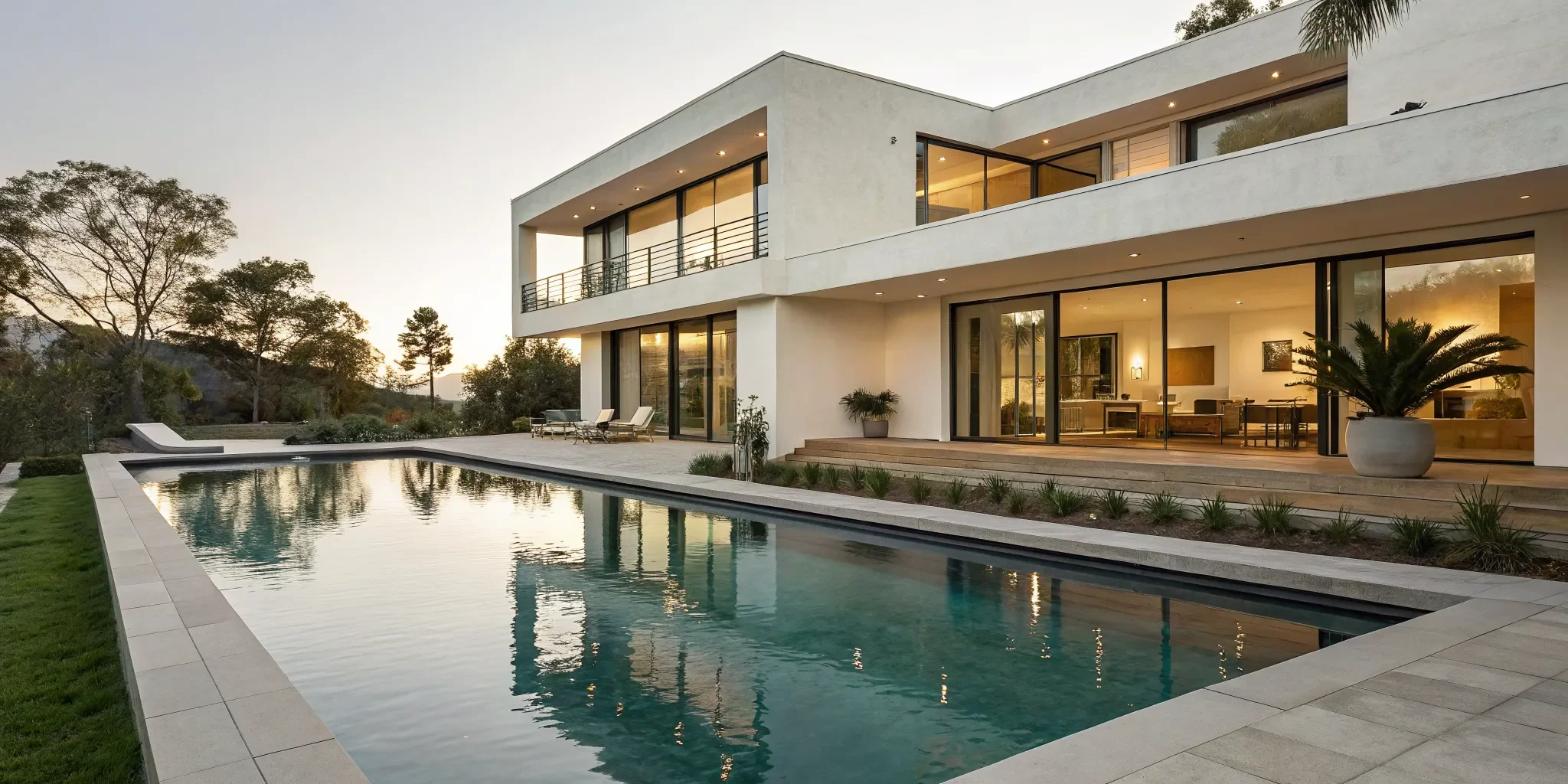
The idea of owning a pool home is exciting, but the process involves a few extra steps compared to a standard home purchase. A pool is a complex system with its own structure, plumbing, and electrical components that require a careful eye. Simply falling in love with the aesthetic isn’t enough; you need a clear checklist to ensure you’re not diving into a money pit. We’ve put together a comprehensive guide covering everything from what to look for during a specialized pool inspection to the essential safety features every pool should have. Think of this as your essential due diligence before you buy a house with a swimming pool.
Key Takeaways
- Balance the lifestyle perks with the practical work: A pool offers a fantastic setting for relaxation and social events, but it also demands a real commitment to ongoing maintenance, safety protocols, and regular cleaning.
- Account for the full financial commitment: The price of a pool home goes beyond the sale price; you must budget for recurring expenses like chemicals, equipment repairs, higher utility bills, and increased liability insurance.
- Insist on a specialized pool inspection: A standard home inspection is not enough, so hiring a dedicated pool inspector is essential to evaluate the condition of the structure and equipment, protecting you from costly surprises down the road.
What Are the Perks of a Pool Home?
A sparkling swimming pool can transform a simple backyard into a personal resort. For many homebuyers in Southern California, a pool isn't just a feature; it's a lifestyle. It offers a private escape for relaxation, a convenient spot for exercise, and a natural centerpiece for family fun and social events. Beyond the immediate enjoyment, a well-maintained pool can also be a smart investment, adding significant appeal and value to your property. If you're dreaming of weekend barbecues by the water or a quiet morning swim, exploring the benefits of a pool home is a great first step.
Year-Round Fun and Fitness
Having a pool in your backyard is like having a permanent vacation spot just a few steps away. It’s an incredible source of year-round entertainment for the whole family and a fantastic way to stay active without ever leaving home. Imagine starting your day with a few laps for a low-impact workout or spending a sunny afternoon splashing around with the kids. In a place with weather as beautiful as Southern California, you can enjoy these moments for most of the year. This built-in source of fun and fitness not only enriches your daily life but also makes your home more attractive when it’s time to sell your property.
A Hub for Social Gatherings
A pool naturally turns your home into the go-to destination for friends and family. It creates a relaxed and inviting atmosphere, making it the perfect backdrop for everything from kids’ birthday parties to casual weekend get-togethers. Your backyard can become a true oasis, offering a beautiful setting for making memories. Many buyers specifically look for homes with pools because they envision this social lifestyle. While a pool does come with maintenance responsibilities, the joy of hosting loved ones in your own private retreat is a major perk for many homeowners in our desirable communities.
Added Luxury and Property Appeal
There’s no denying the touch of luxury a pool adds to a home. It enhances the visual appeal of your property and contributes to a high-end, resort-like feel. In warm climates like ours, a pool is often a key feature that buyers actively seek out. This high demand can translate directly into a higher resale value. While the exact amount varies, homes with pools often sell for more than similar homes without them. A beautiful, well-kept pool can make your property stand out in the market and attract more potential buyers, solidifying it as a valuable asset. You can always get a home valuation to understand how a pool might impact a property's worth.
What Are the Downsides of Owning a Pool?
A backyard pool can feel like the ultimate dream, especially on a warm Southern California day. But before you take the plunge on a pool home, it’s smart to look at the complete picture. Owning a pool isn't just about floating on sunny afternoons; it comes with a set of responsibilities that require your time, money, and attention. From the steady rhythm of maintenance to the serious considerations of safety and insurance, being a pool owner is a real commitment.
Understanding these potential drawbacks isn’t meant to burst your bubble. Instead, it’s about helping you make a well-informed decision. When you know what to expect, you can budget properly, plan ahead, and decide if the joys of a personal oasis truly outweigh the work involved. The financial side is often the first surprise for new pool owners. Beyond the initial purchase price of the home, there are consistent costs for chemicals, cleaning, electricity to run the pump, and inevitable repairs. These can add up to thousands of dollars each year.
Then there’s the critical issue of safety and liability. A pool is a wonderful place for fun, but it also carries inherent risks, particularly for families with young children. This responsibility extends to legal and insurance matters, as pools are seen as a significant liability risk. Finally, there are the practical day-to-day realities to consider, like unwanted pests attracted to the water and the fact that not all future homebuyers will see a pool as a perk. We’ll explore each of these points in more detail so you have a clear view of what pool ownership entails.
Ongoing Maintenance and Costs
A pool’s price tag doesn’t end at the home purchase. The ongoing upkeep is a significant financial commitment you’ll need to budget for. Think of it as another utility bill, but one that includes regular cleaning, chemical balancing, and equipment repairs. Experts estimate that annual pool maintenance can cost anywhere from $1,000 to $4,000. This covers everything from chlorine tablets and pH testing kits to running the pump and potential repairs. If you hire a professional for weekly service, you can expect to pay even more. Factoring these expenses into your home buying budget from the start will prevent any costly surprises down the road.
Safety, Liability, and Insurance
Safety is the top priority for any pool owner, especially if you have children or pets. A pool area requires constant vigilance and proper safety measures. Beyond the personal responsibility, there’s a legal one. Insurers often classify pools as an "attractive nuisance," which means you could be held liable for accidents, even if someone is on your property without permission. Because of this increased risk, you’ll likely need to increase your liability coverage. Many homeowners with pools opt for a personal umbrella policy to provide extra protection beyond their standard homeowners insurance. It’s a crucial step in safeguarding your family and your finances.
Seasonal Use and Unwanted Pests
While Southern California offers a long swimming season, your pool won’t be in use every single day of the year. During cooler months, it still requires maintenance to stay clean and functional. Pools can also attract unwelcome guests. Standing water is a magnet for mosquitoes, and you might find yourself sharing your space with frogs, raccoons, or other local wildlife. It’s also worth noting that while a pool is a plus for many buyers, it isn't for everyone. Some people see it as a hassle rather than a luxury, which could slightly narrow your pool of potential buyers when it’s time to sell your home.
How Does a Pool Affect Your Home's Resale Value?
A swimming pool can be a major selling point or a potential drawback, and its impact on your home's value isn't always straightforward. The return on investment for a pool depends heavily on where you live, the condition of the pool itself, and what buyers in your area are looking for. For sellers, it’s about showcasing an asset, not a liability. For buyers, it’s about understanding the true value of what you’re getting. Let's break down the key factors that determine how a pool influences a home's price tag.
How Location Affects Demand
In warm places like Southern California, a pool is often a big plus. Many buyers in these areas want a pool for entertaining, exercising, and staying cool during our long summers. In many of the communities we serve, a backyard pool is a highly sought-after feature that buyers expect to see. If most homes in your neighborhood have pools, not having one might make your property less appealing to the average buyer. The local climate and neighborhood standards play a huge role in whether a pool adds significant value or is just seen as an expensive extra.
The Impact of Pool Age and Condition
An old, cracked, or outdated pool can detract from your home's value, but a modern, well-maintained one can be a major draw. Even though the huge demand for pools during the pandemic has calmed down, they still make a home more attractive to buyers. Updating an older pool with features like energy-saving pumps, water features, or shallow "sun shelves" can increase its appeal. If you're thinking of selling, the condition of your pool will be a major factor in your property's final appraisal. A home valuation can help you understand how your pool specifically affects your property's current market worth.
Buyer Preferences and Neighborhood Norms
Ultimately, a pool's value comes down to what a buyer wants. Some buyers love the idea of a "backyard oasis" for relaxation and entertainment. For them, extra features like a hot tub or waterfall can make a home stand out. Other buyers might worry about the work and money required for upkeep and see a pool as a dealbreaker. This is where understanding local trends is key. An experienced real estate agent can provide insight into what buyers in your specific neighborhood are looking for, helping you position your home effectively whether you're buying or selling.
What to Look for in a Pool Inspection
A standard home inspection usually gives the pool a quick once-over, but it won’t cover the details. Think of it like a general check-up versus seeing a specialist. When you’re serious about a home with a pool, you need that specialist. A dedicated pool inspection is a non-negotiable step to protect your investment. An expert will examine everything from the plaster to the pump, giving you a clear picture of the pool’s health and any potential costs hiding below the surface.
This inspection gives you powerful information. You can use the report to negotiate repairs with the seller or adjust your offer. If you're ready to find a home with a pool, our team of agents can guide you through the entire process, including recommending trusted local pool inspectors. A thorough inspection ensures you can dive into your new home with confidence, not into a money pit.
Check the Structure and Surface
During your initial walkthrough, you can do a quick visual check. Look for obvious red flags like loose tiles, missing grout, or significant cracks in the pool’s walls, steps, or floor. A hairline crack might be cosmetic, but anything deep enough to fit a coin into could signal a serious structural problem. Also, take note of the water itself. Is it green, cloudy, or unusually low? A low water level is a classic sign of a leak, which can be a complicated and costly fix. These initial observations will help you know what to point out to your professional inspector.
Evaluate the Pump and Filtration System
The pool equipment is the heart of the entire operation, and it needs to be in good working order. Ask the seller to turn on the pump and filter while you’re there. Listen carefully to the sounds it makes. A healthy system should run with a consistent, quiet hum. If you hear loud grinding, rattling, or screeching noises, it’s a sign that the motor or other components may be failing. A professional inspector will check the entire system, including the pump, filter, and heater, for age, leaks, and proper function, but your initial listen can give you an early warning.
Inspect Electrical and Safety Features
Water and electricity are a dangerous combination, so this part of the inspection is critical. A professional will verify that all electrical components, like the lights, pumps, and automatic covers, are properly grounded and connected to Ground Fault Circuit Interrupter (GFCI) outlets. This is not a DIY area; always let a licensed electrician handle any pool-related electrical work. The inspection should also cover required safety features, such as fencing, self-latching gates, and drain covers, to ensure they meet local codes and will keep everyone safe.
Test the Water Quality
While you can’t tell everything just by looking, the water’s appearance offers clues. Murky or green water indicates a problem with the chemical balance or filtration system. A professional inspection goes much deeper. The inspector will test the water for proper pH, alkalinity, and sanitizer levels. Consistently poor water chemistry can damage the pool’s surface and equipment over time, leading to expensive resurfacing or repairs. This test gives you a snapshot of how well the pool has been maintained and what it will take to keep it sparkling.
How to Budget for Pool Maintenance
A backyard pool is a fantastic feature, but it’s not a one-and-done purchase. The key to enjoying it without financial stress is understanding the ongoing costs from the start. Think of it like any other major home system; it requires a dedicated budget for upkeep. Planning for these expenses helps you avoid surprises and ensures your pool remains a source of joy, not a financial drain. From the chemicals that keep it sparkling to the electricity that runs the pump, every little bit adds up.
Let's break down the main categories you'll need to account for so you can create a realistic budget and dive into homeownership with confidence. Knowing these numbers upfront will help you decide if a pool home is the right fit for your lifestyle and finances. We'll cover everything from daily cleaning to unexpected repairs, giving you a clear picture of what to expect. This isn't meant to scare you off, but to empower you. When you can confidently factor pool care into your overall home valuation and monthly expenses, you're in a much better position to make a smart investment. A well-maintained pool is an asset, and a good budget is the tool that keeps it that way.
Regular Cleaning and Chemicals
This is your most consistent expense. To keep the water clear, safe, and algae-free, you'll need a steady supply of chemicals like chlorine, pH balancers, and shock treatments. Maintaining a pool typically costs between $1,000 and $4,000 a year, with much of that going toward chemicals and routine care. You can handle this yourself to save money, but many homeowners opt for a weekly professional service. Hiring a pro can run around $900 per month, but it saves you time and ensures the job is done right. Factor this choice into your budget from day one.
Equipment Repair and Replacement
Your pool’s circulation and filtration systems are its heart, and sometimes they need a little TLC. The pump, filter, and heater won't last forever. While you won't be replacing them every year, it's smart to set aside money for eventual repairs or a full replacement. A good rule of thumb is to budget a few hundred dollars annually for potential service calls. This is why getting a thorough pool inspection before you buy is so important. It gives you a clear idea of the equipment's age and condition, helping you anticipate these larger, less frequent expenses.
Seasonal Upkeep and Utilities
Beyond chemicals and repairs, your pool will have a noticeable impact on your monthly utility bills. The pump needs electricity to run for several hours a day, and you'll use extra water to account for evaporation, especially during our warm Southern California summers. Expect your utility costs to increase by $500 to $2,000 per year. If the pool is heated, that number can climb even higher, adding anywhere from $120 to $850 per month depending on usage. It's a significant but predictable cost that you should build into your monthly household budget.
Essential Safety Features for Your Pool
A sparkling pool is a fantastic feature, but safety should always be your top priority, especially if you have children or pets. When you're looking at homes with pools, think of safety features as non-negotiable parts of the package. A secure pool area gives you peace of mind, allowing you to fully enjoy your backyard oasis without constant worry.
Most areas have specific legal requirements for pool safety, so it's important to ensure any property you consider is up to code. These features aren't just about following rules; they are layers of protection that work together to prevent accidents. As you tour potential homes, keep an eye out for these essential safety components. If a home you love is missing some of these, you’ll want to factor the cost of adding them into your budget.
Fences, Gates, and Barriers
A simple backyard fence isn't enough. The gold standard for pool safety is a dedicated fence that completely separates the pool from the house and the rest of the yard. This barrier should be at least four feet high (local regulations may vary) and designed so it’s difficult for a child to climb. The most critical part of the fence is the gate. Look for gates that are self-closing and self-latching, with a latch positioned high up, well out of a child's reach. This ensures the gate closes securely behind you every time. California has specific pool safety laws that homeowners must follow.
Covers, Alarms, and Monitors
Beyond a fence, additional layers of security can make a huge difference. A high-quality safety cover that fastens securely over the pool can prevent accidental falls when the pool isn't in use. It’s important to distinguish these from solar covers, which are not designed for safety. Another smart feature is an alarm system. You can install alarms on any doors and windows that lead to the pool area, which will sound if they are opened unexpectedly. You can even find underwater motion alarms that detect when something or someone enters the water. These systems work together to provide a comprehensive safety net.
Emergency Gear and Child Safety
Even with every precaution in place, you need to be prepared for an emergency. Every pool should have easily accessible safety equipment, like a life ring with a rope and a long reaching pole. Keep these items visible and close to the pool at all times. For families with young children, the American Red Cross offers excellent water safety guidance, including the importance of supervision and swimming lessons. It’s also wise to have a conversation with your insurance agent, as a pool increases your liability. Having the right safety measures in place can not only protect your loved ones but may also be required by your insurer.
How Pool Ownership Affects Your Insurance
A backyard pool is a fantastic feature, but it's also a significant responsibility in the eyes of an insurance company. Before you dive in, it's important to understand how owning a pool will affect your homeowner's policy. Insurers view pools as a source of increased risk, which means you'll likely need to adjust your coverage to ensure you're fully protected. This isn't just about paying a higher premium; it's about having the right kind of protection in place for your family and your assets. From liability concerns to specific safety requirements, getting your insurance right is a non-negotiable step when buying a home with a pool.
Liability Coverage and Higher Premiums
Insurance companies often refer to pools as an "attractive nuisance," a term for something on your property that could attract and endanger people, especially children. Because of this heightened risk of accidents, you can expect your homeowner's insurance premium to increase. More importantly, you'll want to review your liability coverage. Standard policies might not be enough to cover a serious incident. Many homeowners with pools choose to add a personal umbrella insurance policy for an extra layer of protection. This policy kicks in when you've exhausted the liability coverage on your standard home insurance, offering greater financial security.
What Your Insurance Company Requires
Beyond higher premiums, your insurance provider will have specific safety requirements you must meet. This often includes a secure fence of a certain height surrounding the pool, self-latching gates, and possibly pool alarms. If you're financing your home with certain loans, like an FHA loan, the requirements can be even stricter. An appraiser will conduct a thorough inspection and may flag safety issues like loose handrails or peeling paint. As noted in some FHA inspection guidelines, these problems must be fixed before the loan can close, potentially delaying your move-in date. Working with an experienced agent can help you identify these potential issues early on.
Which Type of Pool Is Right for You?
When you're house hunting, you'll quickly realize that not all pools are the same. The type of pool a home has can significantly influence your budget, lifestyle, and long-term maintenance plan. Understanding the key differences will help you identify which features are a perfect match for you and which ones might be a dealbreaker. From the construction style to the water system, let's look at the most common options you'll encounter.
In-Ground vs. Above-Ground Pools
The most fundamental difference you'll find is whether a pool is in-ground or above-ground. In-ground pools are a permanent feature of the property, often built with concrete, vinyl, or fiberglass. They offer a longer lifespan and more opportunities for custom shapes and features, which can add to your home's value. However, they come with higher installation and repair costs. Above-ground pools are a more budget-friendly and less permanent option. While they are quicker to set up and remove, they typically don't increase property value and offer limited design flexibility. For most homebuyers, an in-ground pool is the more desirable long-term investment.
Saltwater vs. Chlorine Systems
Next, consider the system that keeps the water clean. Traditional chlorine pools use tablets or liquid chlorine to sanitize the water. This method has a lower upfront cost but requires you to handle chemicals regularly, and some people find the water harsh on their skin and eyes. Saltwater pools, on the other hand, use a generator to convert salt into chlorine. This results in softer-feeling water that’s gentler on the body. While the initial cost of a saltwater system is higher, many owners find the reduced daily maintenance and improved swimming experience to be well worth it.
Choosing the Right Size, Depth, and Features
Finally, think about how you plan to use the pool. A home with a large, deep pool is great for swimming laps and hosting big parties, but a smaller "spool" (spa-pool) might be perfect for relaxing. The right size and depth depend entirely on your lifestyle. Also, look for extra features that can enhance your enjoyment. Does the pool have a shallow baja shelf for lounging, a built-in hot tub, or ambient lighting for night swimming? These custom features can transform a simple pool into a true backyard oasis, so it's important to consider which ones matter most to you.
Find an Agent Who Knows Pool Properties
When you’re buying a home with a pool, you’re not just buying a house; you’re buying a lifestyle and a significant mechanical system. That’s why it’s so important to work with a real estate agent who understands the specific details of pool properties. An experienced agent does more than just find listings with a backyard oasis. They act as your first line of defense against potential problems and costly surprises.
A knowledgeable agent knows that a standard home inspection doesn’t cover the pool’s structure or equipment. They will insist on a separate, specialized pool inspection and can often recommend trusted professionals for the job. This step is critical for uncovering issues with the pump, filter, heater, or the pool’s surface, which could save you thousands in future repairs. They can help you understand the inspection report and what it means for your budget and the home's value.
Furthermore, an agent with local expertise can provide crucial insights into how a pool affects property values in different Southern California communities. In a hot inland area like Temecula, a pool might be a major selling point, while in a cooler coastal neighborhood, it might have less impact on the price. Our team of local experts can help you understand these market dynamics, ensuring you make a smart investment. Partnering with the right agent gives you the confidence that you’re not just buying a beautiful feature, but a well-maintained and valuable asset.
Related Articles
- Smart Shopping Tips on Homes for Sale in Murrieta, CA With a Pool
- pool — Real Estate Blog | Mogul Homes in Riverside & San Diego
- Sellers, Beware! These Home Improvements Could Hurt Your Home's Value
- The ABCs of Real Estate: Real Estate Terms Every Buyer And Seller Needs To Know
- In Love With Historic Homes? Here Are The Pros And Cons Of Buying One
Frequently Asked Questions
How much value does a pool actually add to a home? There isn't a single dollar amount, as a pool's value really depends on a few key things. In Southern California, where the weather is warm most of the year, a pool is a highly desirable feature that can certainly increase a home's worth. However, the condition is everything. A modern, well-maintained pool is a major asset, while an old one needing serious repairs can actually detract from the value. It also helps if pools are common in the neighborhood, as buyers will likely expect one.
What are the most significant hidden costs of pool ownership? Most people budget for chemicals, but the two costs that often surprise new owners are utilities and major repairs. Your electricity and water bills will definitely go up from running the pump and replacing evaporated water. It's also smart to set aside a separate fund for eventual equipment replacement. A pool pump or heater can last for years, but when they fail, it's a significant expense that you want to be prepared for.
Is a separate pool inspection really necessary? Absolutely. A standard home inspector will only give the pool a very brief look. A specialized pool inspector, on the other hand, will thoroughly examine the structure, surface, plumbing, and all the equipment. This detailed report can uncover hidden problems that could cost you thousands of dollars down the road. Think of it as an essential step to protect your investment and give you powerful information for negotiating with the seller.
Will my homeowner's insurance automatically cover a pool? You'll need to update your policy. Because a pool increases the risk of accidents on your property, your insurance provider will require you to increase your liability coverage. Most financial advisors recommend adding a personal umbrella policy, which provides extra protection once you've maxed out your standard homeowner's liability limit. It's a crucial step to protect your assets.
Is a saltwater pool a better choice than a traditional chlorine one? It really comes down to personal preference and budget. Saltwater systems feel softer on the skin and eyes and require less frequent chemical handling, which many people love. However, the initial installation cost is higher. Traditional chlorine pools have a lower upfront cost and are very effective, but you'll be handling chemicals more often. When you're looking at homes, consider which system better fits the lifestyle you envision.