Homes for Sale in Redlands CA: 2026 Buyer Guide
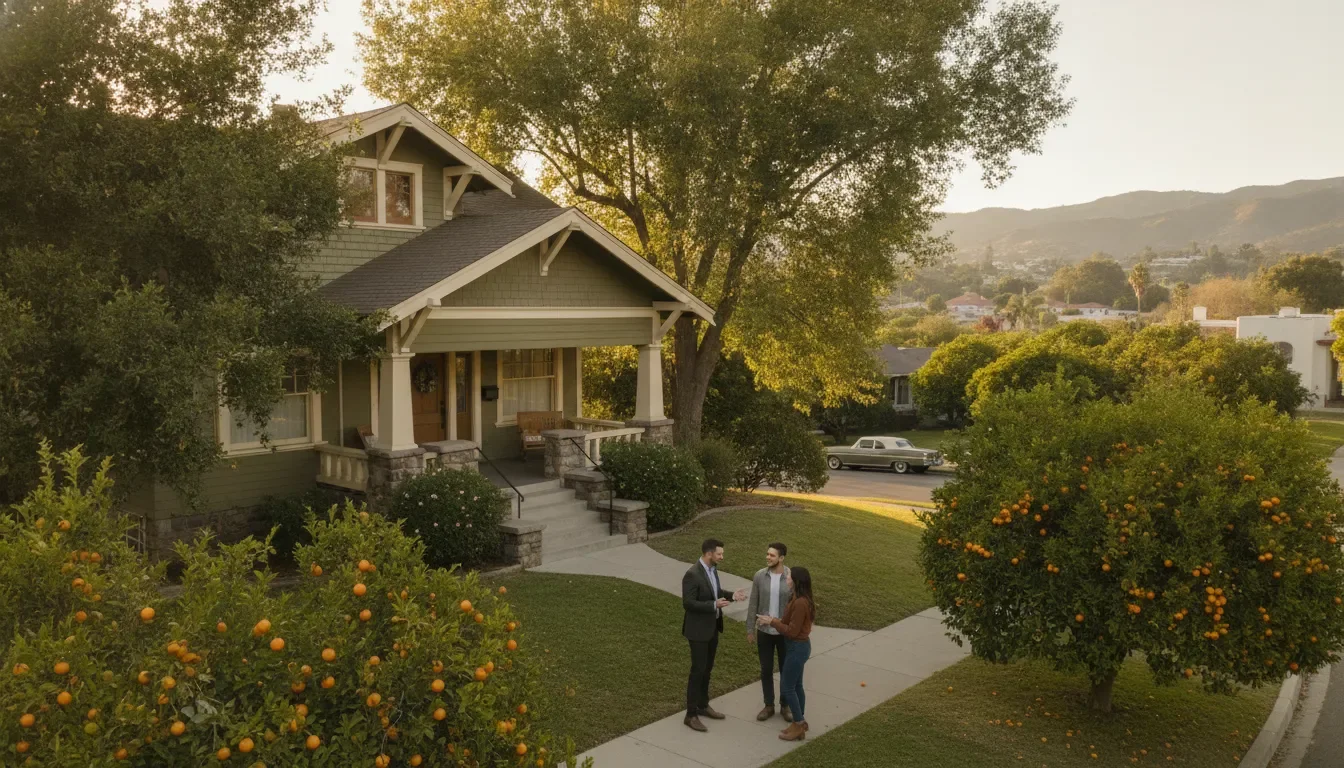
Searching for homes for sale in Redlands CA means comparing more than listing photos. Redlands offers historic neighborhoods, foothill views, access to major Inland Empire routes, and a connected community setting. This 2026 buyer guide explains how to compare Downtown Redlands, Smiley Park, and nearby Mentone while you review homes, schools, transit, and property-specific details.
Browse current Redlands-area homes for sale and save a search
What should you know before searching Redlands homes for sale?
Redlands is a city where neighborhood identity can change quickly from one street to the next. Buyers should compare the exact address, not just the city name. Review the home's condition, school assignment, access to I-10 or Metrolink, local planning documents, and the daily trade-offs that matter most to your household before making an offer.
Redlands sits in San Bernardino County at the eastern end of the Inland Empire. Its residential setting includes established streets, newer development areas, and nearby unincorporated communities. Mentone is immediately east of Redlands and has its own mailing addresses, housing patterns, and neighborhood feel, even though buyers may compare it with Redlands listings during the same search.
Because listings change, avoid treating a search result as a complete market snapshot. Use a live search to monitor new listings, price changes, status changes, and properties that return to the market. A saved search can also help you separate homes that meet your must-haves from homes that only look similar in a broad results page.
Decide whether you need a Redlands address, a Mentone address, or either location.
Set a practical commute boundary before choosing a neighborhood.
Compare lot, home, and improvement details rather than relying on listing headlines.
Confirm school information for the exact address through the district and appropriate public resources.
Ask for disclosures and investigate property-specific risks before removing contingencies.
How do Downtown Redlands homes compare with other areas?
Downtown Redlands is a strong fit for buyers who value civic destinations, historic character, local businesses, and established streetscapes. Planning documents shape development and land-use decisions. Review the exact block, parking arrangement, lot configuration, and neighborhood considerations before assuming nearby homes will have the same ownership experience.
The City of Redlands describes its Downtown Specific Plan as a framework for a defined area. Specific plans can supplement or replace portions of a general zoning map. They are useful when a buyer is evaluating additions, redevelopment potential, or nearby construction. The city's specific plans and community plans page is a practical starting point.
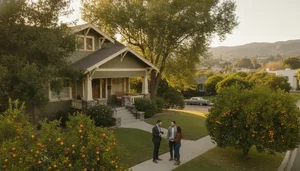
Downtown buyers may see older homes with distinctive architecture and mature landscaping. That character can be an advantage, but it also makes inspection scope important. Ask about roof age, electrical systems, plumbing, drainage, foundation conditions, permitted additions, and the maintenance history of large trees. A beautiful exterior does not replace a complete inspection.
Landmarks that shape the Downtown Redlands experience
Smiley Park is a useful reference point for understanding the civic and cultural core. The City of Redlands identifies the 9.2-acre park at 126 S. Eureka Street as home to the A.K. Smiley Public Library, the Lincoln Memorial Shrine, and the Redlands Bowl.
Those landmarks can be valuable lifestyle features, but buyers should still visit at different times. Assess traffic, event activity, parking, and neighborhood noise before deciding whether the setting fits your routine.
The City of Redlands Smiley Park page provides current public information about the park and its facilities. The park page identifies the Lincoln Memorial Shrine as one of the area's cultural landmarks. Use official city sources for landmark details, then use an in-person visit to decide whether the surroundings match your routine.
Is Smiley Park a good area for buyers who want historic character?
Smiley Park is best evaluated as a lifestyle and property-due-diligence choice, not as a universal recommendation. Nearby homes may offer mature trees, distinctive architecture, and access to civic amenities. Buyers should balance those benefits against maintenance needs, parking, street activity, renovation constraints, and the possibility that older construction requires more specialized inspections.
The Smiley Park Historic District is listed by California State Parks, and the City of Redlands identifies Smiley Park as a central community destination. Historic character may affect property changes or exterior-work review.
Before planning a major alteration, ask the city and your real estate professional which rules apply to the specific parcel.
During a showing, look beyond staging. Check window condition, attic access, crawl spaces, grading, signs of water intrusion, and the relationship between the home and neighboring lots. If the property includes an accessory dwelling unit, converted garage, enclosed porch, or room addition, request permit and occupancy information before treating that space as part of the home's usable area.
Buyer priorityWhat to examine near Smiley ParkUseful next stepHistoric appearanceExterior materials, windows, landscaping, and neighborhood contextAsk about district rules and planned exterior workWalkable amenitiesDistance to parks, civic destinations, and local businessesWalk the route at the times your household would use itLow-maintenance ownershipRoof, plumbing, electrical, drainage, and tree careOrder a thorough inspection and review disclosuresFuture flexibilityParking, lot access, additions, and potential constraintsVerify zoning and permits before writing an offer
What should buyers know about Mentone homes near Redlands?
Mentone can appeal to buyers who want a foothill setting, established residential areas, and a location east of central Redlands. It should be searched as its own community as well as part of a broader Redlands-area search. Compare mailing city, tax records, school assignment, road access, lot conditions, and the distance to the destinations your household uses most often.
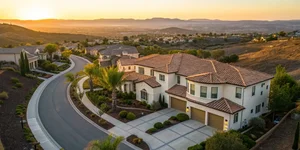
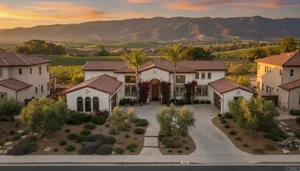
Mentone is associated with views toward the San Bernardino Mountains and a more open suburban feel in some areas. Conditions vary by street. A buyer may encounter older homes, newer subdivisions, hillside conditions, or properties near major roads.
Ask how the home's orientation affects heat, views, privacy, and outdoor use before assuming that listing photos tell the full story.
School research is especially important when comparing Redlands and Mentone. The Redlands Unified School District schools directory lists schools across Redlands, Mentone, and nearby communities. Treat a school reference in a listing as a starting point, not a final assignment. Confirm the exact address, current boundaries, program availability, and enrollment information through the district before relying on it.
For families comparing elementary options, Mentone Elementary School is part of Redlands Unified School District. The school's official site provides information about programs, student support, and district resources. School quality is only one part of a purchase decision, so also examine the commute, childcare plan, traffic pattern, and how the home functions on a normal weekday.
How should you compare schools, commutes, and daily routines?
The best Redlands home is the one that fits your complete routine, not simply the one with the most appealing room count. Build a short list of destinations such as work, school, childcare, medical care, groceries, recreation, and family support. Then test each property during realistic travel windows instead of relying on a single map estimate.
Redlands has connections to regional roads, including I-10 and nearby I-210 routes. Caltrans provides corridor and road information, but conditions change with construction, incidents, and time of day. A commute that looks simple on a weekend can feel very different on a weekday morning. Drive the route before making an offer if commute reliability is a major priority.
Rail access may also matter. Metrolink's Redlands-Downtown station is at 351 North Orange Street and lists parking, bicycle facilities, and connections to local transit. Check the official station information and current schedules, then test the full door-to-door trip. A station nearby is useful only if the timetable and last-mile connection work for your schedule.
Drive from the property to work or school during the time you normally travel.
Check how quickly you can reach I-10, I-210, major surface streets, and daily services.
Visit the home after dark to evaluate lighting, noise, and parking.
Test the route to the nearest grocery, pharmacy, park, and medical provider.
If you plan to use rail, ride or simulate the trip from the station to your destination.
Set a Redlands-area property alert and compare new listings as they appear
How can you organize a Redlands home search in 2026?
A focused search makes it easier to notice meaningful differences between listings. Start with a short written brief that separates non-negotiables from preferences. Include location, property type, bedroom count, outdoor space, parking, commute tolerance, school needs, and the condition issues you are willing to address after closing.
Use the same comparison questions for every home. That prevents a polished renovation or dramatic view from overshadowing a concern that would matter more over time. A simple worksheet can record the address, list date, status, parcel observations, showing notes, disclosures received, and questions that require follow-up.
Which neighborhood or nearby community does the address actually belong to?
What is the realistic travel time during the household's busiest commute?
Which systems appear updated, and which need a qualified inspection?
Are parking, storage, outdoor space, and privacy adequate for daily life?
What information is still missing before an offer can be evaluated responsibly?
For Downtown and Smiley Park properties, give extra attention to the relationship between the home and the street. Visit during daylight and evening hours. Notice sidewalk conditions, event activity, traffic, lighting, parking behavior, and nearby uses. A home can be attractive in a quiet showing and feel different during a busy community event.
For Mentone properties, compare road access, foothill orientation, drainage, and the distance to regular destinations. Ask how summer heat, wind, shade, and mountain conditions affect outdoor areas. These observations are not substitutes for professional inspections, but they help you ask more precise questions during the purchase process.
Search filters also deserve care. A narrow price or bedroom filter can hide homes with flexible layouts, permitted bonus areas, or different property types. Start broad enough to learn the local inventory, then refine the search after you understand which features are common in Downtown Redlands, Smiley Park, and Mentone.
When a promising listing appears, move quickly on information rather than pressure. Request the disclosure package, confirm showing availability, review comparable homes, and identify the contingencies that protect your decision. Your offer strategy should reflect the home's actual condition and your verified comfort with the property, not just competition language in a listing description.
Buyers relocating from coastal communities may also compare Redlands with Temecula Valley, Riverside, or San Diego County options. That wider search can be useful, but each location should be judged against the same routine. Compare travel, housing form, schools, services, outdoor access, and the support you expect from your real estate team.
What should you do when a Redlands listing looks promising?
Begin with a showing and a fact check, not a commitment. Confirm the address, listing status, included appliances, parking, and any features that influenced your interest. If the listing describes a view, remodeled system, or permitted room, ask how that statement is documented before using it in your decision.
Next, request the available disclosures and identify open questions. A buyer may need separate answers about insurance, flood or fire exposure, older construction, solar equipment, drainage, or a shared access feature. Keep a written list so the same question is not lost between the showing, inspection, and offer conversations.
Compare similar homes by condition and location instead of relying on a single headline. A Downtown bungalow, a Smiley Park property, and a Mentone home can differ in age, lot, road access, and maintenance profile. A meaningful comparison accounts for those differences before you decide how much flexibility you have.
When you are ready to write, discuss the offer structure with your real estate professional. Review the proposed price, deposit, financing, inspection, appraisal, title, and other contingencies. California purchase terms can be time-sensitive, so use the written contract and advice from qualified professionals rather than a general online checklist.
Finally, keep searching until your due diligence supports the decision. A saved search helps you compare new inventory without starting over. If a property does not answer important questions, it is reasonable to pause, request more information, or continue looking for a home that better fits your priorities.
What property details should you verify before making an offer?
Listing information helps you find a home, but it does not replace buyer due diligence. Before writing an offer, compare the seller disclosures, inspection findings, title information, permit history, and any available reports. Your agent can help you organize questions, but you should choose qualified inspectors and advisers for specialized issues.
Review the home and lot
Roof age, attic ventilation, solar agreements, and signs of past leaks.
Heating, cooling, electrical panels, plumbing materials, and water pressure.
Drainage, retaining walls, slope conditions, irrigation, and mature trees.
Garage conversions, additions, accessory dwelling units, and permit records.
Property lines, easements, shared driveways, access rights, and fencing.
Insurance availability, wildfire considerations, and any location-specific requirements.
Review the ownership costs
Do not reduce the decision to a listing price. Estimate the full ownership picture, including property taxes, insurance, utilities, maintenance, repairs, association dues where applicable, and improvements you expect to make. If you are comparing an older Downtown home with a newer Mentone property, place likely maintenance items side by side rather than assuming one option is automatically less expensive.
Buyers who need a clearer starting point can use Mogul Real Estate's home valuation resource to understand how valuation conversations work. A valuation tool is not a substitute for an offer strategy or appraisal, but it can help a buyer ask better questions about comparable properties and neighborhood differences.
How can Mogul Real Estate help with a Redlands home search?
Mogul Real Estate gives Southern California buyers a digital property-search resource alongside local real estate guidance. That combination is useful when a search crosses community boundaries. A buyer can compare Redlands, Mentone, Riverside County communities, and other Southern California locations while keeping the search focused on property features and daily needs.
Start with the live property-search funnel and save the criteria that matter most. Then narrow the results by location, home type, lot, bedrooms, and other practical requirements. When you have a short list, discuss showing order, disclosures, comparable sales, offer timing, and contingency decisions with a qualified member of the Mogul team.
Mogul's team page provides background on the brokerage and its licensed professionals. You can also review the broader communities resource as you compare neighborhood context across the company's Southern California coverage area. The goal is not to rush a buyer into a property. It is to make each next step more informed.
Frequently Asked Questions
Are there homes for sale in Redlands CA with different neighborhood styles?
Yes. Redlands-area listings can include historic homes near Downtown and Smiley Park, established suburban properties, newer construction, and homes near Mentone. Inventory changes daily, so use a live search and compare each property's address, condition, lot, school information, commute, and disclosures.
Is Mentone part of Redlands?
Mentone is a nearby community east of Redlands and should be evaluated as its own location during a home search. Buyers may compare both areas because they share regional services and school considerations, but mailing address, jurisdiction, property details, and neighborhood experience can differ by parcel.
What schools serve Redlands and Mentone?
Redlands Unified School District serves schools in Redlands, Mentone, and nearby communities. School assignment depends on the exact address and current district information. Confirm boundaries, programs, and enrollment details through the official district schools directory before making a purchase decision.
Does Redlands have Metrolink access?
Redlands-Downtown is a Metrolink station at 351 North Orange Street. The station provides parking and bicycle facilities and connects with regional transit information. Review current schedules and test the complete door-to-door route before relying on rail for a commute.
What should I inspect in an older Redlands home?
Pay close attention to the roof, drainage, plumbing, electrical system, foundation, windows, trees, additions, and permit history. Older homes can have valuable character and mature landscaping, but a thorough inspection and review of disclosures are essential before removing contingencies.
Where can I see current Redlands listings?
Use Mogul Real Estate's live property-search funnel to review current listings, save a search, and monitor changes. A real estate professional can then help you evaluate the specific homes that fit your location, condition, budget, timing, and due-diligence requirements.