
Homes for Sale in Perris, CA: 2026 Buyer Guide
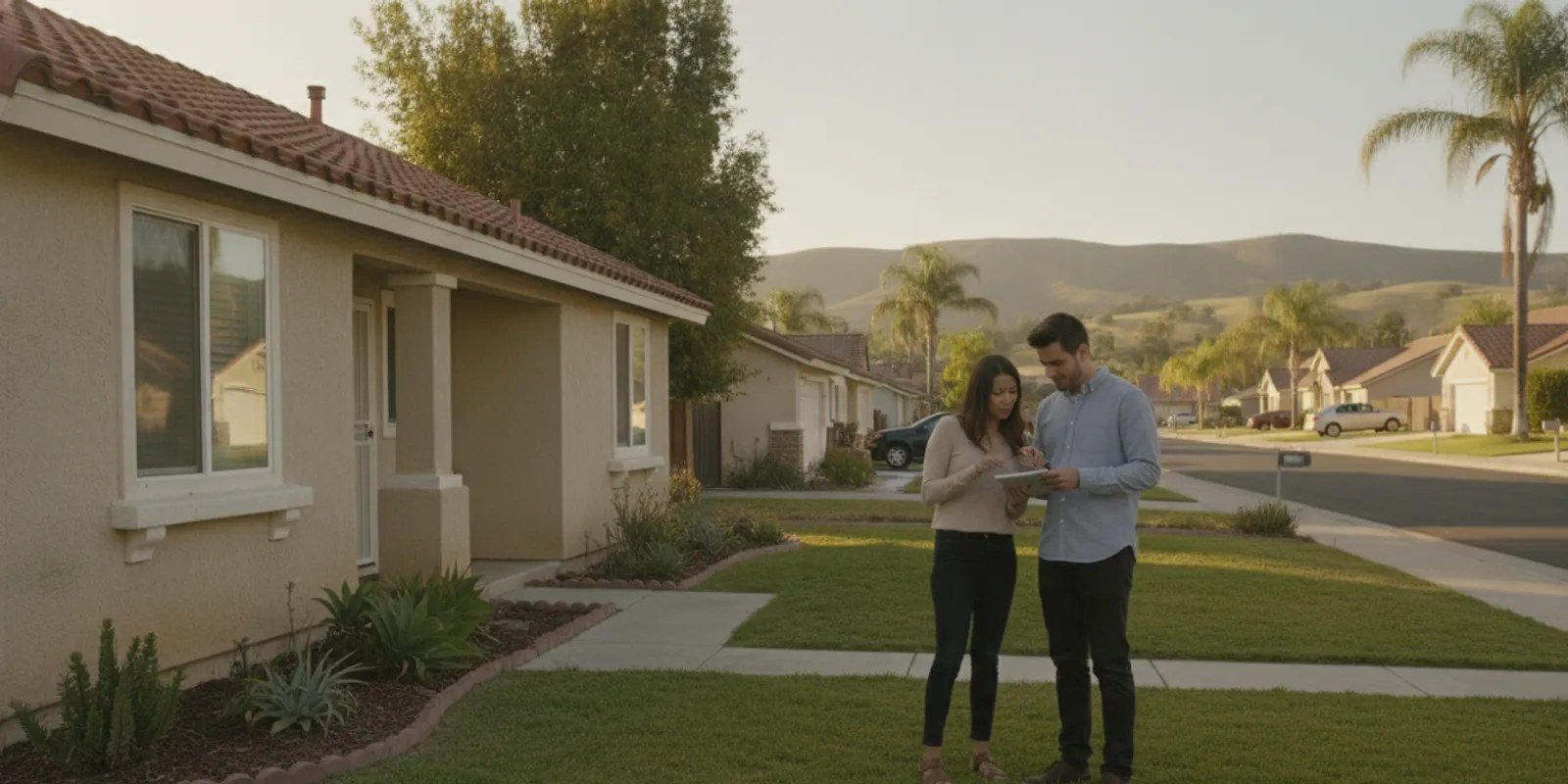
Searching for homes for sale in Perris CA is more useful when you begin with your household’s daily routine, not just a list of attractive photos. The right fit depends on location, property condition, travel patterns, and ownership costs that you can verify for each address. Define your priorities first, then compare current listings against them.
Talk with Mogul about your Perris home search
What should you decide before searching for a Perris home?
Before you tour, decide what a workable home and location need to provide. Set a comfortable monthly budget, list essential features, and identify what you are willing to trade. This gives you a consistent filter for current listings and helps prevent attractive staging or a rushed decision from replacing practical questions.
Start with a written brief for your household. Include the number of bedrooms you need now, any likely changes in the next few years, space for work or hobbies, and storage requirements. Separate needs from preferences. A preference might be a particular finish; a need could be enough room for a home office or accessible entry.
Then define financial limits beyond the asking price. Estimate the complete monthly housing cost with a lender or other qualified professional. Consider principal and interest, property taxes, insurance, utilities, expected maintenance, and association fees if they apply. Ask about any parcel-specific charges or assessments rather than assuming they are identical across homes.
Must-haves: features that a home needs to support your household, such as bedroom count, parking, or a workable layout.
Preferences: qualities you would enjoy but could exchange for better condition, location, or overall affordability.
Limits: the maximum price and monthly cost that still leave room for savings and other expenses.
Timing: your ideal move period, lease end date, financing milestones, and flexibility if a suitable listing appears.
Use current listing information rather than old screenshots or broad market claims. Availability and asking prices change. Mogul’s featured listings can provide a starting point, while a live property search and address-specific follow-up help confirm what is actually available. Keep a dated note of the listing status and details you reviewed.
How can you compare Perris locations with your everyday routine?
Compare locations by testing the trips you make repeatedly. Map work, school, childcare, shopping, medical appointments, and other regular destinations from each address. A neighborhood label does not tell you how a specific street will feel or how long your usual trips may take. Check the location and travel pattern directly.
Make a short list of the destinations that matter most, then consider how often you travel to each one. A longer drive to an occasional activity may be an easy compromise; a difficult route used every weekday may shape your quality of life. If two adults commute, evaluate both commutes rather than optimizing for only one.
Check likely routes at the times you would normally leave and return.
Look for alternate routes and consider what happens if your preferred corridor is delayed.
Include errands and appointments in your weekly travel picture, not only the commute to work.
Visit the block at more than one time of day to notice traffic, noise, lighting, and parking.
Do not treat a map estimate or one successful test drive as a guarantee. Traffic, road work, weather, and schedules vary. Use the same comparison method for each candidate home. If possible, test the trip on a typical weekday and note the departure time, route, and conditions so that you can compare like with like.
Look at the immediate surroundings as well as the route out of the area. Walk or drive the nearby streets if appropriate, and note sidewalks, street parking, nearby services, and adjacent land uses. If a listing description makes a claim about planned development or access, ask what source confirms it. Check important planning questions with the relevant public agency.
Mogul’s communities directory can help you orient a wider search. Use it as a starting point, not a substitute for checking an exact address. Explore the street, nearby destinations, and route you expect to use before deciding whether a location suits your routine.
Which home types and features should you compare?
Perris properties can differ in design, age, lot size, condition, and ownership structure. Compare features that affect daily use and future costs, rather than relying on a broad label such as detached, updated, or move-in ready. Verify what each listing includes and what remains uncertain before making a decision.
Detached homes and outdoor areas
A detached home may offer more separation and private outdoor space, but a yard also requires time and maintenance. Consider the size and usability of the outdoor area, fencing, shade, drainage, and visible condition. Ask which appliances, fixtures, and outdoor items are included in the sale. Do not assume photos show the full lot or its boundaries.
If you would use a garage, driveway, or storage structure every day, check access and dimensions in person. Ask about the condition of doors, surfaces, and visible electrical features. For an addition or converted room, request available records and clarify whether it is represented as permitted living area. A qualified professional can advise on technical or permit questions.
Attached homes and shared obligations
For a home with shared walls or a community association, request the documents that explain recurring fees, maintenance duties, rules, and any restrictions that could affect your plans. Find out what the fee covers and what remains the owner’s responsibility. Review available information about reserves, assessments, and meeting records with appropriate professional help.
A lower asking price does not automatically mean a lower total cost. Include association dues and the likely cost of services or repairs that the owner must handle. If parking, pets, exterior changes, or rental rules matter to your household, confirm the written rules instead of relying on a verbal summary.
Newer or recently improved homes
New construction and recent updates can reduce some immediate projects, but the label does not answer every question. Ask what work was completed, when it was done, what warranties transfer, and whether records are available. For new construction, confirm exactly which appliances, landscaping, upgrades, and finishing work are included in the purchase.
Compare a renovated home with an unrenovated alternative by looking past surface finishes. Ask about the age and condition of major systems, including heating and cooling, plumbing, electrical components, and roofing. Fresh paint or new flooring can improve appearance without addressing older equipment or hidden maintenance needs.
To orient yourself among local options, the Mogul home page provides access to real estate resources. A property’s individual listing and disclosures remain the place to verify its features. Record the facts you have confirmed and keep unanswered questions visible on your shortlist.
What should you verify before scheduling or attending a tour?
Review the listing and request the information that could change your decision before investing time in a tour. Confirm current status, included items, recurring costs, and any known condition concerns. The goal is not to diagnose the home remotely; it is to arrive with specific questions and enough context to decide what needs closer review.
Before a tour, gather the listing description, available disclosures, and any documents the seller or representative provides. If the listing omits a detail that matters, ask whether it is known or documented. Treat an unanswered question as unresolved rather than filling the gap with an assumption.
What is the current listing status, and is there a timing issue such as an offer deadline?
Which appliances, fixtures, and other items are included or excluded?
What is known about the roof, heating and cooling, plumbing, electrical system, and past repairs?
Have there been additions or renovations, and are permits or other records available?
Are there association fees, rules, shared maintenance duties, or assessments?
What are the known boundaries, easements, access arrangements, and parking terms?
Are there disclosures or prior inspection findings that call for specialist review?
On the tour, observe without trying to make a technical diagnosis. Note water staining, unusual odors, visible cracks, uneven floors, damaged materials, or equipment that appears worn. Ask follow-up questions and arrange an appropriate inspection if you remain interested. A general viewing cannot establish the full condition of a property.
California’s Department of Real Estate provides consumer resources and information for real estate licensees. Buyers can consult the California Department of Real Estate for official guidance and license-related resources, while directing property-specific legal, inspection, or tax questions to the appropriate qualified professional.
If you want a general overview of seller-side questions that may come up in listing materials, Mogul’s home-selling FAQ may be useful for context. It addresses a different local market, so do not use it as a substitute for Perris-specific records or advice about the property you are considering.
How can you compare several Perris homes fairly?
Use the same short checklist after every tour. Consistent notes make trade-offs easier to see and reduce the pull of first impressions. Give greater weight to budget, condition, location, and essential needs; treat cosmetic preferences as secondary unless they affect the cost or use of the home.
Score each category using a simple scale, such as one to five, and write one reason beside each score. The number is a memory aid, not a substitute for judgment. If a home scores well on layout but poorly on commute, you can revisit how much each factor matters instead of treating the total as a verdict.
Location: commute routes, nearby services, street conditions, parking, and noise.
Layout: room use, storage, accessibility, privacy, and options for work or guests.
Condition: visible maintenance, system ages if known, and questions for an inspector.
Ownership cost: purchase price, expected monthly expenses, association fees, and possible repairs.
Open items: documents requested, disclosures to read, and facts that need independent confirmation.
Imagine two hypothetical homes. Home A has a layout you like and a shorter commute, but its visible condition raises questions about the roof and heating system. Home B needs less immediate follow-up but adds time to a routine drive.
Do not decide from the tour alone. Request available records, estimate costs with qualified help, and compare the trade-off against your priorities.
Keep a separate list of deal-breakers and items that could be resolved. A missing document may be obtainable; a location that creates an unacceptable commute may not be changeable. When a detail is uncertain, label it as uncertain and identify who can verify it. This prevents an estimate, assumption, or verbal comment from becoming a supposed fact.
For broader local reading, browse Mogul’s real estate articles and use relevant guides as general context. Apply the same discipline to any online information: check when it was published, whether it concerns the right location, and whether the details need current confirmation.
How should you prepare to make an offer?
Prepare your financing and decision process before you find a home you want. Confirm your budget, funds needed for closing, preferred timing, and questions about contingencies with the professionals supporting your transaction. A clear plan helps you respond carefully without confusing a lender’s maximum approval with the amount that feels comfortable for your household.
Before deciding whether to offer, review the available disclosures and ask about unanswered items. Consider which inspection or specialist evaluations may be appropriate. Discuss deadlines and contract terms with your real estate professional, and ask a legal or tax adviser about issues within that adviser’s role. An online article cannot determine what terms are right for your circumstances.
Confirm your financing plan, available funds, and an appropriate reserve for unexpected costs.
Review disclosures and request clarification about facts that could affect your decision.
Set a preferred closing and move timeline, including any lease or home-sale coordination.
Identify the terms that matter beyond price, such as included items or timing.
Decide what additional inspections or professional reviews you may need.
Keep your comparison notes available when discussing an offer. They help you explain why the property fits, what remains uncertain, and which trade-offs you accept. If an important question is still open, ask what can be confirmed before proceeding and what protections or conditions may be available in the transaction.
For a local overview of Mogul’s representation approach, read information about working with Mogul. For help with your search, contact Mogul Real Estate with your target locations, budget range, and essential features. You can also look through Mogul’s testimonials as one source of information when considering your options.
Discuss your Perris home search with Mogul
Frequently Asked Questions
There is no single checklist that makes every Perris home the right choice. Start with current listings, verify each property’s details, and compare locations against your routine and budget. These answers cover common questions buyers ask when moving from an initial search to a focused tour.
Are there different types of homes for sale in Perris?
Listings can vary in layout, size, lot, age, condition, and ownership structure. Review current listing details to identify available homes, then verify individual features and costs for each address. Availability changes, so confirm status before planning a visit.
How do I choose a Perris neighborhood?
Begin with the trips your household makes most often. Check routes at realistic travel times, visit the surrounding streets at more than one time of day, and note nearby destinations. Evaluate the exact address rather than relying only on a neighborhood name.
What should I bring to a home tour?
Bring your priorities list, a way to record observations, and questions about condition, included items, and recurring costs. Take notes immediately after each visit. This makes comparisons more consistent when you have toured several properties.
Can listing photos show a home’s full condition?
No. Photos show selected views and do not establish a property’s full condition, boundaries, or legal status. Tour the home, review available disclosures, ask questions, and arrange appropriate professional inspections before proceeding.
Where can I find current Perris listings?
Use Mogul’s property search and confirm the current status and details for each listing before you plan a tour. For help narrowing options, contact Mogul with your budget, desired timing, and the features that matter most.
A focused search combines current listing information, realistic travel checks, and property-specific questions. Use that process to choose a Perris home that fits your plans and the routine you want to live.