Homes for Sale Carlsbad Village: A Local Buyer's Guide
Homes for Sale Carlsbad Village: A Local Buyer's Guide
If you are researching homes for sale carlsbad village, you are comparing more than floor plans. You are choosing how close you want to be to State Street, Grand Avenue, the beach, restaurants, and the daily activity of a compact coastal neighborhood. This guide explains the property types, ownership costs, parking questions, and due diligence that matter before you make an offer.
Browse current homes for sale in Carlsbad Village and create property alerts before you build your shortlist.
Carlsbad Village includes historic cottages, condominiums, townhomes, small-lot residences, and beach-adjacent homes. Inventory and asking prices change, so the most useful decision is not to memorize an old average. Instead, define your priorities, compare the full monthly cost, and verify every important detail for the specific property. Mogul's community guides and buyer resources can help you compare the Village with nearby coastal and inland neighborhoods before touring.
What Types of Homes for Sale Carlsbad Village Buyers Can Find
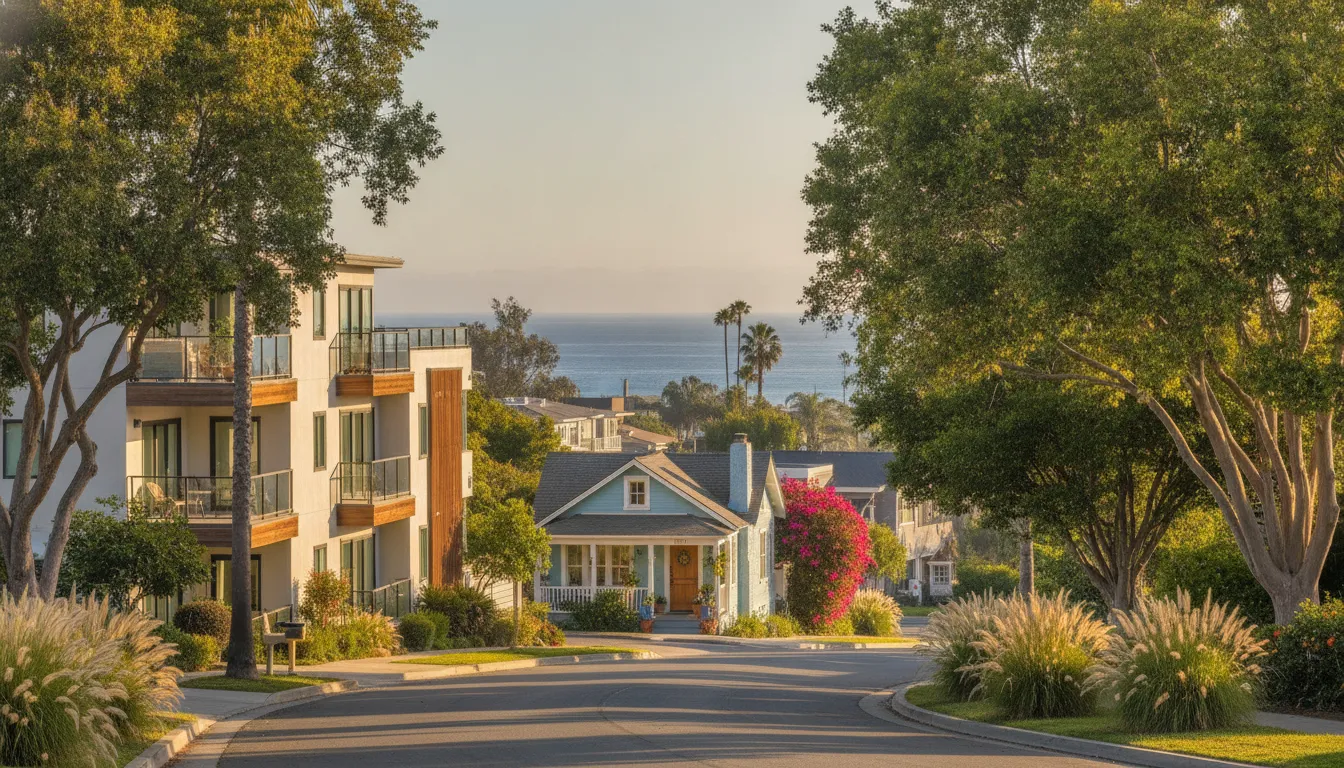
Carlsbad Village offers a varied coastal housing mix. Buyers may find cottages with individual character, condos close to shops, townhomes with additional living space, and detached residences with more privacy. Each format creates a different balance of purchase price, maintenance, parking, outdoor space, and association rules.
The City of Carlsbad's Village and Barrio planning materials describe a neighborhood shaped by established streets, public spaces, walking connections, and a mix of older and newer buildings. That context helps explain why two properties only a few blocks apart can feel very different. Review the exact block, building, and ownership structure rather than treating the Village as one uniform housing market.
Condos and townhomes
Condos can provide a lower-maintenance way to live near Village dining, services, and the coast. Townhomes may offer multiple levels, more interior space, or a private patio. The tradeoff is shared ownership. Buyers should examine the HOA budget, reserve funding, master insurance, meeting minutes, rental rules, pet policies, parking rights, and any pending assessment before comparing payments.
- Condos: Often emphasize location and shared maintenance, with monthly dues and building rules to evaluate.
- Townhomes: May offer more space, but stairs, shared walls, and association responsibilities affect daily life.
- Cottages: Can provide distinctive character, while older systems, smaller rooms, and limited storage may require extra planning.
- Detached homes: May offer more privacy and control, but the buyer assumes more maintenance and insurance responsibility.
- Beach-adjacent properties: Put the shoreline within easier reach, while activity, weather exposure, and parking pressure may be higher.
Condition and lot-size tradeoffs
A renovated home may reduce near-term project work, while an older cottage may provide an opportunity to improve the layout. Ask for permits and inspect the roof, foundation, drainage, electrical system, plumbing, and moisture conditions. For small lots, confirm setbacks, access, usable outdoor space, and limitations on future improvements.
Listing photographs rarely show every ownership constraint. Compare purchase price, property taxes, insurance, HOA dues, utilities, maintenance, parking, and planned improvements. Then verify the current listing status through a live search. The property type that looks least expensive at first may not have the lowest total cost after ownership expenses are included.
What Do Homes for Sale Carlsbad Village Cost?
There is no permanent average price for homes in Carlsbad Village. Values change with inventory, condition, lot size, parking, beach proximity, renovation quality, and the ownership costs attached to each property. A current search is more useful than an old market snapshot because coastal inventory can change quickly.
When comparing homes for sale carlsbad village, separate asking price from total affordability. A condo may have a different monthly cost than a cottage because of HOA dues, insurance, and maintenance. An older home may require improvements that change the amount of cash you need after closing. Ask your lender and real estate professional to model the complete cost before you decide how far to stretch.
| Property type | Common tradeoff | Due diligence focus |
|---|---|---|
| Condominium | Lower-maintenance ownership may include monthly association costs and shared rules. | Review reserves, assessments, insurance, parking, rental rules, and meeting records. |
| Historic cottage | Character and outdoor space may come with older systems or renovation needs. | Check permits, roof, foundation, drainage, systems, and improvement limits. |
| Townhome | More space may involve shared walls, stairs, dues, or design restrictions. | Evaluate sound transfer, reserves, warranties, rules, and fee schedules. |
| Detached residence | More privacy and control can mean a larger upkeep and insurance budget. | Inspect the structure, lot, utilities, parking, insurance, and future maintenance. |
Use comparable sales carefully. A renovated condominium near State Street is not automatically comparable to a detached home several blocks inland. Look at property type, size, condition, parking, outdoor space, HOA obligations, and the timing of each sale. Your representative can help organize the comparison, but the final decision should reflect your own financing, lifestyle, and risk tolerance.
Review Mogul's Carlsbad real estate resource for broader neighborhood context, then use the live property search to check current availability and set alerts for the features you need.
How Does Carlsbad Village Compare With Other Carlsbad Areas?
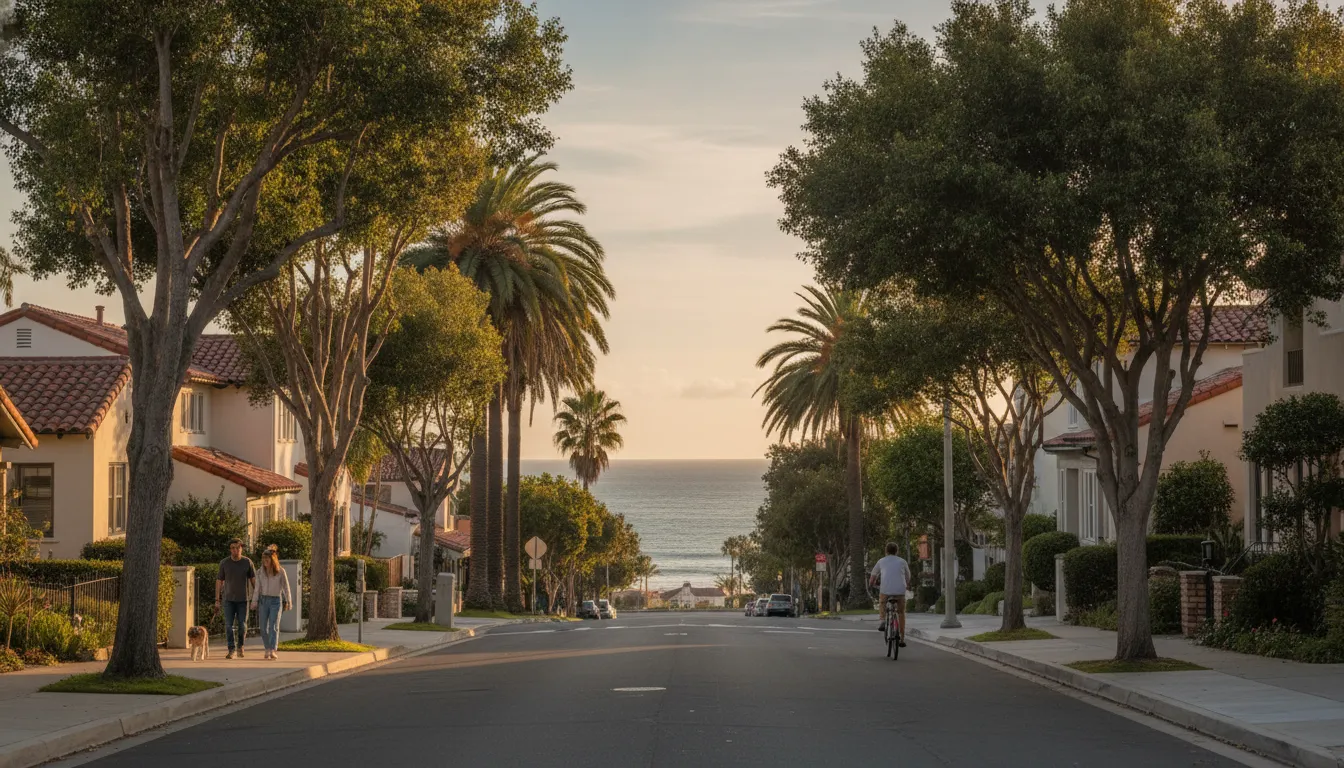
Carlsbad Village offers a more connected coastal lifestyle than many suburban parts of Carlsbad. Buyers may trade some privacy, parking flexibility, and lot size for closer access to the beach, restaurants, services, and established commercial streets. Other areas may offer larger yards, newer subdivisions, quieter streets, or more conventional garage arrangements.
Walkability versus suburban convenience
In the Village, proximity is part of the value. State Street and Grand Avenue connect homes with dining, coffee, local services, and community destinations. The city's planning work emphasizes walking and biking connections, but planning goals do not guarantee an identical experience on every block. Walk the route from the specific home to the destinations you use most.
Other Carlsbad neighborhoods generally follow a more suburban pattern. Buyers may find larger lots, wider setbacks, more private outdoor space, or easier vehicle storage. That layout can suit households that prioritize quiet and space. It can also mean driving for errands that a Village resident may handle on foot or by bicycle.
- Carlsbad Village: Coastal access, walkable destinations, compact lots, mixed housing, and more activity near commercial corridors.
- Other coastal pockets: Continued shoreline access, with housing layouts and noise levels varying by location.
- Inland Carlsbad: More conventional subdivisions, potentially larger lots, and a stronger reliance on driving.
There is no universally better location. The right choice depends on whether you value beach access and short trips more than private space and easier parking. For buyers also considering Temecula Valley, compare the Temecula real estate market with coastal options to clarify how lifestyle, commute, and property format affect your priorities.
What Is It Like to Live in Carlsbad Village?
Carlsbad Village can support a neighborhood-centered routine. From many locations near State Street or Grand Avenue, residents can walk to coffee, restaurants, services, and the beach. That convenience comes with an active public realm. Visitors, events, restaurant activity, and nearby traffic can affect noise, privacy, and parking at different times of day.
The City of Carlsbad's Village and Barrio Master Plan provides useful context about neighborhood character, public spaces, mobility, and connections toward the coast. Read the City's Village and Barrio planning overview, then inspect the property in person instead of assuming a citywide plan guarantees a specific future condition.
Daily routines near State Street and Grand Avenue
State Street acts as both a practical and social spine. Grand Avenue adds restaurants, small businesses, and community destinations. The experience changes by block. A home on a quieter residential street may feel calm, while a property near a busy corner may have more evening activity and pedestrian movement.
Beach access is a defining advantage, but beach days and seasonal activity can increase demand on nearby streets. Visit on a weekday, a weekend afternoon, and an evening if possible. Listen for traffic and neighborhood noise, test parking, and consider how deliveries, guests, and outdoor living will work at the property.
What buyers should accept about Village activity
A walkable district is not always quiet. Restaurants, events, visitors, and nearby businesses can bring activity, especially near popular corridors. Parking can vary by building, block, and time of day. Confirm assigned spaces, guest parking, permits, garage dimensions, street restrictions, and HOA rules before you treat parking as a solved issue.
The best fit is the lifestyle you can happily repeat, not only the view you notice during a showing. Compare the home's distance to your regular destinations with its exposure to activity. A second visit at a different time can reveal tradeoffs that photos and map estimates do not show.
What Should Buyers Know About Schools, Parking, and Beach Access?
Before making an offer, verify practical details that listing photos cannot settle. Confirm the current school assignment with the relevant district. Then review parking, rail access, beach routes, HOA records, insurance availability, flood and coastal considerations, and inspection findings for the exact property. These checks matter as much as the home's location.
- Verify school boundaries, assignment, and enrollment requirements directly with the district.
- Confirm deeded spaces, guest parking, garage access, permits, and street-parking limitations.
- Review HOA minutes, reserves, insurance, assessments, rental rules, and exterior maintenance responsibilities.
- Ask an insurance professional about coastal, flood, wind, and earthquake coverage, exclusions, and deductibles.
- Inspect the structure, roof, drainage, plumbing, electrical systems, and signs of moisture or deferred maintenance.
- Walk or drive routes to the beach, rail crossings, work, and school at the times you normally travel.
School assignment is property-specific and can change. Do not infer eligibility from a neighborhood name or a seller's statement. For an attached property, association documents deserve early attention because reserves, master insurance, or a pending assessment can materially change affordability. For any coastal property, confirm the insurance options before removing contingencies.
The city planning materials include parking and mobility context for the Village and Barrio area. They can help you understand the neighborhood, but they are not a promise about a project's timing, traffic, future views, or parking supply. Use current official materials and investigate the immediate block before relying on a planned improvement.
How Do You Buy a Home in Carlsbad Village?
Buying in Carlsbad Village calls for a clear budget, fast listing alerts, and property-specific due diligence. The following sequence helps you move from broad preferences to a defensible offer without overlooking the coastal and ownership details that make Village properties different.
- Define priorities and total budget. Decide whether walkability, parking, outdoor space, renovation potential, beach proximity, or low-maintenance ownership matters most. Include taxes, insurance, HOA dues, maintenance, and improvements in the monthly calculation.
- Confirm financing. Ask a lender about preapproval, closing costs, down payment, rate assumptions, and how attached homes or HOA requirements affect underwriting. A written preapproval gives you a realistic search range.
- Create targeted alerts. Search specifically for homes for sale in Carlsbad Village. Filter by property type, price, bedrooms, parking, and location boundaries. Browse current Carlsbad listings and set alerts as your criteria become clearer.
- Tour with a checklist. Evaluate noise, light, storage, traffic, parking access, shared areas, drainage, and deferred maintenance. Visit at different times and consider proximity to the beach, railroad, and commercial streets.
- Review documents. For a condo or townhome, read the budget, reserves, insurance, minutes, rules, and assessment history. For any property, verify permits, insurance availability, flood exposure, easements, and disclosures.
- Build an evidence-based offer. Compare truly similar sales while accounting for condition, parking, HOA obligations, lot size, and timing. Decide in advance which contingencies and protections you will not sacrifice.
- Complete contingencies carefully. Schedule inspections, finalize insurance and loan approval, document repairs or credits, review disclosures, and complete a final walkthrough before closing.
For guidance on the buyer process and local representation, meet the Mogul Real Estate team. A local professional can help coordinate searches and documents. Contact Mogul Real Estate when you are ready to discuss your search, while lenders, inspectors, insurers, districts, and public agencies should answer questions within their own specialties.
Jennifer Lee, Mogul Real Estate's designated digital strategy author, brings more than 10 years of Southern California real estate experience to educational buyer content. Mogul's team serves Temecula Valley, San Diego County, and Riverside County, giving relocating buyers a broader comparison when Carlsbad Village is one of several markets under consideration.
Browse current homes for sale in Carlsbad Village and create property alerts to see the latest inventory as it changes.
Frequently Asked Questions
What is the average price of homes for sale in Carlsbad Village?
There is no fixed average that stays reliable as inventory changes. Compare current listings and recent comparable sales by property type, condition, parking, lot size, beach proximity, HOA costs, and insurance. Use a live search and a current market review rather than relying on an old article or listing snapshot.
Are there single-family homes for sale in Carlsbad Village?
Yes, detached residences and cottages can be available, along with condos, townhomes, and other attached properties. The mix changes over time. Buyers should compare privacy, outdoor space, maintenance, parking, renovation needs, and total ownership costs instead of assuming a detached home is automatically the best value.
Is Carlsbad Village a walkable neighborhood?
Many Village locations offer practical access to shops, restaurants, services, and the beach by walking or bicycle. The experience depends on the exact block and destination. Walk the route during the times you expect to use it, and consider traffic, crossings, hills, noise, and seasonal activity.
How does Carlsbad Village compare with other parts of Carlsbad?
The Village generally offers a more compact, coastal, and pedestrian-oriented setting. Other Carlsbad areas may provide larger lots, newer subdivisions, quieter streets, or more private parking. The right choice depends on whether you prioritize beach access and walkability or space, privacy, and a more suburban routine.
What should buyers verify before making an offer?
Review the property's condition, insurance availability, flood and coastal considerations, parking arrangement, HOA documents, school assignment, permits, and nearby infrastructure. Ask your real estate professional to help organize due diligence, then rely on licensed inspectors, lenders, insurance professionals, districts, and official records for specialized decisions.