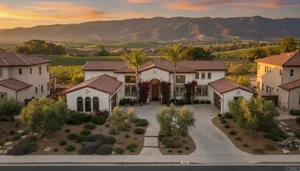
Fixer-Upper Temecula Homes: What Buyers Should Know

Fixer-upper homes can offer Temecula Valley buyers more control over layout, finishes, and long-term value than move-in-ready properties. They can also expose costly surprises when a buyer evaluates paint and flooring without fully understanding the roof, plumbing, electrical, foundation, or permitting work underneath.
A fixer-upper Temecula buyer can make a sound purchase by comparing the home's current condition with realistic renovation costs, available financing, contractor capacity, and the neighborhood's resale potential. A professional inspection, written repair estimates, and a clear contingency reserve turn an appealing project into a decision based on evidence rather than emotion.
Temecula Valley inventory spans older homes with dated interiors, properties needing targeted repairs, and distressed opportunities that require more extensive due diligence. The first step is separating cosmetic updates from defects that affect safety, financing, and the total ownership budget.
Schedule a buyer consultation with Mogul Real Estate to explore fixer-upper homes in Temecula and estimate your renovation budget.
What Makes a Home a Fixer-Upper in Temecula?
A fixer-upper in Temecula is a home priced or positioned for improvement because its cosmetic finishes, major systems, or structural condition need attention. Some require fresh paint and flooring, while others need substantial work before move-in. The right classification depends on the home's age, inspection findings, renovation scope, and location.
Three common condition tiers
Not every dated home is a construction project. A cosmetic fixer may have sound systems but worn carpet, outdated paint, older appliances, or landscaping that needs renewal. These projects can improve livability without changing the home's layout or core systems.
A dated home usually needs broader modernization. The kitchen and bathrooms may be functional but inefficient, while windows, electrical fixtures, plumbing fixtures, HVAC equipment, or flooring may be approaching replacement age. Buyers should separate desirable upgrades from repairs that affect safety or performance.
A structurally outdated home presents greater uncertainty. Roof concerns, foundation movement, water intrusion, aging electrical components, or significant plumbing problems can affect both the budget and the timeline. A professional inspection is essential before deciding whether the opportunity fits your finances and renovation experience.
Cosmetic wear, including paint, flooring, cabinets, fixtures, and landscaping.
Outdated kitchens or bathrooms that need modernization rather than immediate reconstruction.
Aging roofs, HVAC systems, windows, plumbing, or electrical components.
Visible water damage, drainage concerns, foundation movement, or other structural warning signs.
Deferred maintenance that may not appear in listing photographs.
Why the year built matters
Temecula Valley inventory spans multiple development eras, and the renovation question changes with the home's construction date. Older 1980s single-family homes may have original finishes and systems that need coordinated updates. An early-2000s build may need fewer foundational changes but still have dated interiors, worn equipment, or deferred maintenance.
Year built is only a starting point. Two homes from the same period can have very different histories based on ownership, maintenance, additions, and prior remodeling. Use the inspection report, permit history when available, seller disclosures, and contractor estimates to identify the actual scope.
Foreclosures and short sales
Foreclosures and short sales can recur in fixer-upper inventory because distressed ownership often leaves maintenance or modernization needs unresolved. These transactions may involve different timelines, disclosures, access limitations, or lender requirements. A lower asking price does not automatically offset repair costs or transaction complexity.
Before writing an offer, review the property's condition carefully and determine which repairs are urgent, optional, or unsuitable for your budget. Mogul's Temecula home inspection checklist can help organize the questions to raise during due diligence.
How Much Does a Fixer-Upper Renovation Cost in Temecula?
A fixer-upper Temecula buyer should budget by condition, not by square footage alone. Cosmetic updates may be manageable, while hidden plumbing, electrical, foundation, or roof problems can change the project entirely. A realistic renovation budget separates must-do repairs from finish upgrades and keeps a 10% to 20% contingency for surprises.
Directional pricing varies by project scope, materials, access, and labor availability. HomeAdvisor's guides show that kitchen and bathroom remodels can span broad ranges because cabinetry, fixtures, layout changes, and finish levels affect the total. Use those estimates as an early planning reference, then obtain local bids for the specific property.
Separate structural work from cosmetic improvements
Structural work protects the home and may be necessary before any design upgrade. Examples include foundation concerns, roof replacement, water intrusion, damaged framing, outdated electrical panels, or deteriorated plumbing. These projects can involve engineering, inspections, permits, and work behind finished surfaces, so they deserve priority in the budget.
Cosmetic work changes appearance and function without correcting the home's underlying systems. Paint, flooring, lighting, cabinet refinishing, hardware, and landscaping may improve the home quickly. Cosmetic improvements still require thoughtful sequencing, but they are easier to postpone if the inspection reveals more urgent conditions.
Roof, foundation, drainage, and water-intrusion repairs
Electrical, plumbing, HVAC, and insulation updates
Kitchen cabinets, counters, appliances, and flooring
Bathroom fixtures, tile, ventilation, and waterproofing
Windows, doors, paint, lighting, and finish carpentry
Landscaping, fencing, grading, and exterior repairs
Kitchen and bathroom projects often carry the greatest finish-level variation. Review HomeAdvisor's kitchen remodeling cost guide and bathroom remodeling cost guide for directional categories, not a guaranteed Temecula quote. Moving plumbing, changing walls, upgrading electrical service, or selecting custom materials can raise the final cost.
Local labor and permitting also matter. In Temecula and nearby Southwest Riverside County communities, ask contractors which portions require City of Temecula or applicable local permits, plan review, inspections, and licensed trades. Permit fees are only one part of the impact. Delays, drawings, correction work, and inspection scheduling can affect both budget and timeline.
Before making an offer, compare contractor estimates with the inspection findings and verify that the scope includes demolition, disposal, materials, labor, permits, and finish work. Keep the contingency separate from the planned renovation amount. A 10% to 20% reserve gives the project room to absorb concealed damage without immediately changing the renovation plan.
Financing a Fixer-Upper in Temecula: 203(k) and Renovation Loans
A buyer can finance a fixer-upper and eligible repairs through one mortgage instead of taking separate purchase and improvement loans. The FHA 203(k) program combines those costs under one loan, while other renovation products may offer different terms. Comparing down payment, credit, reserves, contractor requirements, and the home's projected value is essential.
Start by reviewing homes for sale in Temecula with a lender and an experienced buyer representative. A property's asking price is only the first part of the financing picture. The lender also needs a realistic repair scope, estimated costs, and a valuation that supports the completed home.
How FHA 203(k) financing works
The FHA 203(k) mortgage is designed for buyers who want to purchase or refinance a home and include rehabilitation costs in the same loan. HUD describes the program as a way to finance a home's purchase and renovation through a single mortgage. Review the official HUD 203(k) program guidance and its single-family mortgage programs overview before choosing this route.
In practice, the lender evaluates the borrower, the property, and the proposed improvements. The project may require detailed contractor bids, inspections, permits, and draws as work progresses. The program has specific rules about eligible repairs and administration, so a lender who regularly handles 203(k) transactions can help prevent avoidable delays.
There are two broad 203(k) options. The Limited 203(k) is generally intended for smaller, non-structural improvements, while the Standard 203(k) is used for more extensive rehabilitation. The exact limits and requirements can change, and the lender determines which option fits the project. NerdWallet's FHA 203(k) renovation loan guide provides a plain-language comparison, but HUD and the lender remain the controlling sources.
Compare renovation loans with conventional financing
Renovation mortgages are not the only option. Some conventional programs allow a buyer to finance improvements through a purchase-renovation loan. While a standard mortgage followed by a home-improvement loan, a home equity product, or a cash-funded project may work for another buyer, each option carries its own approval and cost tradeoffs. The best choice depends on available cash, credit profile, income, timeline, and the home's condition.
Down payment: Compare the required contribution, closing costs, and cash needed for reserves.
Credit and debt: Ask how credit scores, debt-to-income ratios, and payment history affect approval and pricing.
Project controls: Confirm contractor qualifications, permits, inspections, draw schedules, and contingency requirements.
Occupancy and timing: Verify whether the loan permits temporary relocation and how long the renovation may take.
A larger down payment does not automatically make a renovation loan better. Keeping funds available for surprises can be more valuable than committing every dollar at closing. Structural problems, electrical work, plumbing, roofing, and permitting can expand a budget quickly, especially in older Temecula Valley homes.
Before writing an offer, ask the lender to model the purchase price, repair budget, monthly payment, cash-to-close, and completed value. Then have the renovation scope reviewed by qualified professionals. This coordinated approach helps you distinguish a manageable project from a home that exceeds your financing capacity.
Which Temecula Valley Neighborhoods Have the Best Fixer-Upper Inventory?
For fixer-upper Temecula buyers, the best starting point is older, established pockets rather than the newest master-planned communities. Old Town Temecula, parts of the 92591 and 92592 areas, Temecula Wine Country, and nearby Murrieta and Menifee all tend to offer more opportunities to improve an existing home, although available properties vary by season and condition.
Old Town Temecula is the most obvious place to look for character. Its surrounding residential streets include older homes with mature landscaping, varied floor plans, and architectural details that newer construction often lacks. Some properties need primarily cosmetic work, while others require a closer review of electrical systems, plumbing, roofing, additions, or prior remodeling.
In the broader 92591 and 92592 areas, established neighborhoods such as Redhawk and Wolf Creek can present a different type of project. These communities are generally newer than the oldest homes near Old Town, but buyers may still find properties with dated kitchens, worn flooring, aging landscaping, or deferred maintenance. The renovation opportunity is often about modernization rather than a complete rebuild.
Old Town Temecula: Older homes, mature lots, and distinctive architectural character.
Redhawk: Established 92592 housing with occasional dated interiors or maintenance needs.
Wolf Creek: A newer-established community where cosmetic updates may create value.
Temecula Wine Country: Varied properties and larger-lot settings that require careful due diligence.
Murrieta: Older 1980s and 1990s single-family pockets mixed with newer development.
Menifee: Established neighborhoods where condition and renovation scope can differ from home to home.
Newer master-planned communities, including Harveston, typically have less traditional fixer-upper stock because much of the housing was built more recently and follows a consistent development pattern. That does not mean every home is move-in ready. A neglected property can still appear, but buyers should expect fewer major renovation candidates than in older neighborhoods.
Neighborhood name alone cannot determine whether a home is a sound project. Compare the roof, foundation, drainage, HVAC, windows, permits, and utility systems before focusing on paint colors or countertops. A qualified inspection can separate a manageable improvement plan from a property with hidden costs. Structure your due diligence around the home's systems instead of its surface finishes.
Inventory also changes quickly. Foreclosures, short sales, estate sales, and privately marketed homes may create opportunities outside the neighborhoods buyers initially target. A local search strategy should weigh purchase price, renovation scope, commute, and lot characteristics along with likely resale demand together, instead of treating the lowest list price as the best value.
Flip It or Live In It? Choosing the Right Fixer-Upper Strategy in Temecula
A fixer-upper Temecula buyer can pursue two very different strategies: renovate for resale or improve the home gradually while living there. Flipping may create profit when you buy below market value and control costs, labor, and timing. Living in the property can build equity while spreading improvements across your ownership period.
FactorFlip the HomeLive In the HomePrimary goalProfit from resaleLong-term ownership and equityRenovation paceFull scope before salePhased over timeCost exposureFront-loaded, carrying costsSpread across ownershipRiskMarket shifts and delaysInconvenience during workBest forExperienced investorsBuyers who plan to stay put
When a Flip Makes More Sense
Flipping works best when the purchase price leaves enough room between your total investment and the expected resale value. That margin must cover the acquisition, permits, materials, labor, financing, utilities, insurance, selling costs, and a reserve for surprises.
After-repair value, often called ARV, is the estimated market value once the renovation is complete. A strong ARV estimate relies on comparable homes with similar size, location, lot, and finish quality. It is not simply the highest nearby sale price.
Renovation control is equally important. A project that expands from cosmetic updates into electrical, plumbing, foundation, or structural work can consume the profit window. Delays also create carrying costs and may push the resale into a less favorable market period.
Confirm comparable sales before setting the resale target.
Obtain detailed contractor bids and define the scope in writing.
Build a contingency reserve for hidden defects and permit changes.
Flipping may suit an experienced investor, a buyer with reliable contractor relationships, or someone who can manage a demanding schedule. It is less attractive when the projected margin depends on perfect execution or rapid appreciation.
When Living in the Home Wins
Living in a fixer-upper changes the financial equation. You can complete improvements in phases, prioritize safety and function first, and spread costs over several years instead of funding the entire renovation before resale. Your payments may also contribute to ownership while the home becomes more useful.
This approach can create sweat equity through hands-on work and carefully chosen upgrades. It also lets you learn how the property performs through different seasons before committing to major changes. However, buyers should budget for temporary inconvenience, dust, contractor access, and projects that take longer than expected.
For many first-time buyers, the decision is connected to lifestyle as much as return. Review buying your first home in Temecula considerations alongside your renovation budget, commute, household needs, and planned length of ownership.
Choose the live-in strategy when the home is safe to occupy. The improvements can be phased and you expect to stay long enough for the added value and improved utility to justify the work. Choose a flip only when the resale value, renovation scope, and timeline remain credible after conservative estimates.
Finding a Trusted Renovation Contractor in Southwest Riverside County
Vet a renovation contractor by comparing multiple written bids, confirming an active California contractor license and insurance, and reviewing recent references and finished projects. In Temecula, also verify the permit path with the City of Temecula before work begins. A detailed scope, payment schedule, lien protections, and realistic completion terms protect your fixer-upper investment.
Start with at least three contractors who regularly work in Temecula, Murrieta, and nearby Southwest Riverside County communities. A bid should separate labor, materials, allowances, demolition, cleanup, and permit-related costs. The lowest number may omit necessary work, while an unusually vague estimate makes later change orders harder to challenge.
Verify credentials and completed work
Ask for the contractor's California license number and confirm that the license is current and appropriate for the project. Request proof of general liability coverage and workers' compensation insurance when applicable. Then contact recent clients and visit completed projects, especially remodels similar to the home you are considering near Old Town, Redhawk, or Wine Country.
Confirm the license, insurance, business name, and references independently.
Ask who will perform the work and whether subcontractors will be used.
Request photos and addresses of comparable completed renovations.
Ask how the contractor documents changes, delays, and disputed work.
Clarify permits, inspections, and payment terms
Temecula renovations may require building, electrical, plumbing, or mechanical permits. Ask the contractor which permits apply, who will obtain them, and how inspections will be scheduled with the City of Temecula. Do not assume a permit is unnecessary because the work appears cosmetic. Confirm approvals before covering wiring, plumbing, framing, or structural changes.
Your contract should define the exact rooms and systems included, product allowances, start and completion targets, cleanup responsibilities, and the process for approving change orders. Tie payments to documented milestones rather than paying most of the contract upfront. Also ask about penalties or remedies for avoidable delays.
Before signing, discuss preliminary notices, lien releases, and final payment documentation. A contractor should be able to explain how subcontractors and suppliers are paid. Pair the contractor review with the home inspection so repair estimates reflect the property's actual condition, not only its visible finishes.
Ready to get started? Schedule a buyer consultation with Mogul Real Estate to evaluate fixer-upper options, financing, and a renovation plan before you make an offer.
Frequently Asked Questions
How much does a fixer-upper typically cost in Temecula?
The purchase price depends on location, size, age, and condition, while renovation cost depends on whether the project is cosmetic or structural. Kitchen and bathroom work can vary substantially by scope and materials. Request itemized contractor estimates, confirm permit needs, and reserve a contingency for concealed problems before making an offer.
Are there financing options for fixer-upper homes in Temecula?
Yes. An FHA 203(k) loan can combine the home purchase and eligible renovation costs into one mortgage, subject to lender, property, and project requirements. Review the program details with an approved lender at HUD's 203(k) program page, and compare it with conventional renovation financing.
Which Temecula Valley neighborhoods have fixer-upper inventory?
Older pockets near Old Town Temecula and established parts of Murrieta may offer more homes needing updates because their housing stock has had more time to age. Inventory changes quickly, so buyers should evaluate each property's condition rather than assume an entire neighborhood offers bargains. A local agent can monitor new and off-market opportunities.
Should I flip a fixer-upper in Temecula or live in it?
Living in the home may suit buyers who want to improve it gradually and build equity through use. While flipping requires a defined scope, reliable contractors, carrying-cost control, and a realistic resale analysis. Compare the completed value with purchase, renovation, financing, taxes, insurance, and selling costs before choosing a strategy.
Ready to Explore Temecula Valley Fixer-Uppers?
Schedule a buyer consultation with Mogul Real Estate to discuss your renovation goals, financing questions, and preferred Temecula Valley neighborhoods. A focused conversation can help you compare potential projects with the practical considerations of living in or improving the home. Browse current homes for sale, then reach out when you are ready to evaluate your options with a knowledgeable local team.