
When Will the Housing Market Crash Again in California?
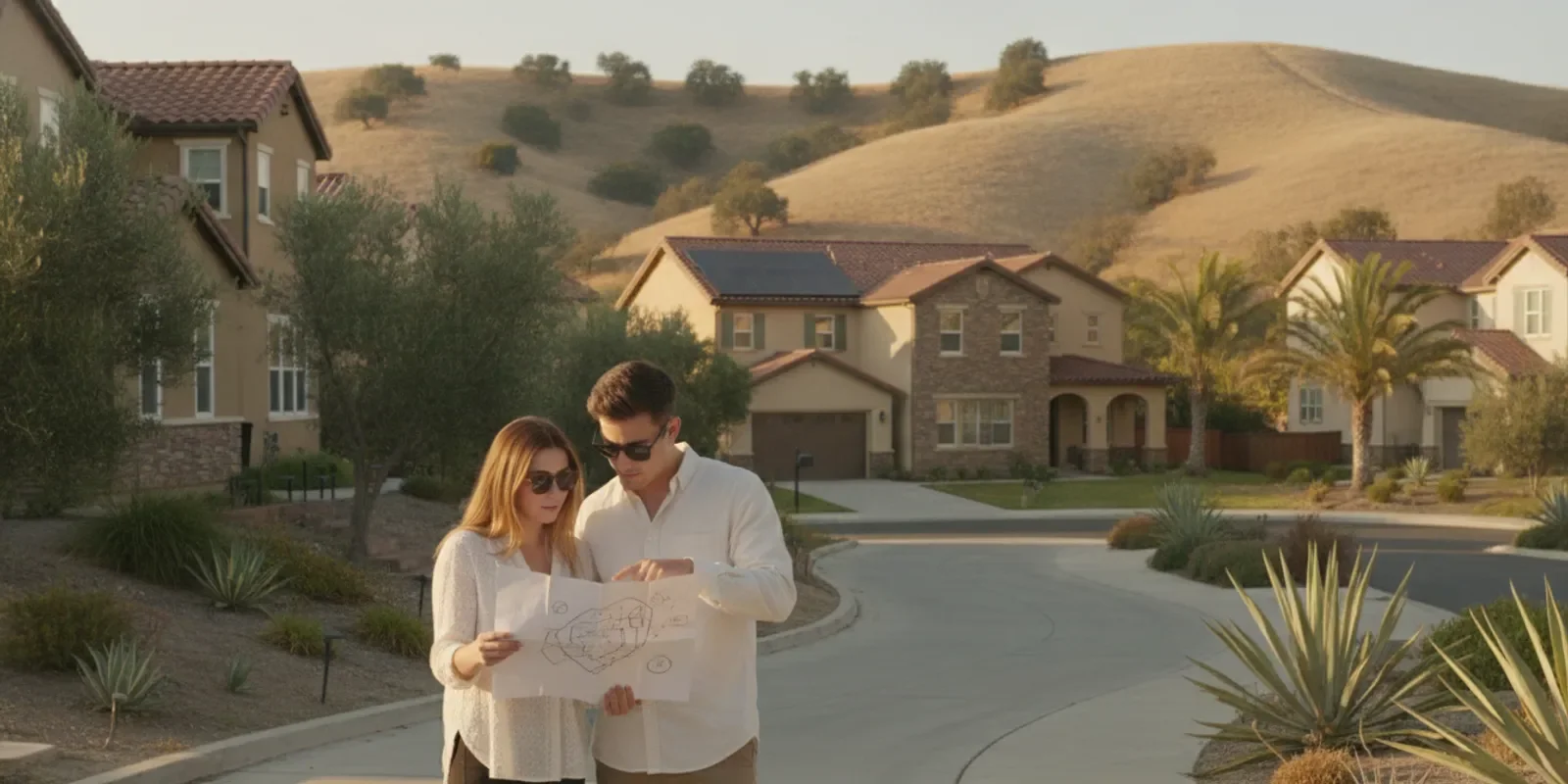
When will the housing market crash again in California? No one can reliably predict a date. For buyers considering Temecula or relocating from coastal Southern California, a better question is whether local conditions are changing enough to affect your budget, choices, or timing. A statewide headline can be a starting point, but it is not a purchase plan.
Talk through your Southern California home search
When will the housing market crash again in California?
No one can say with confidence when a future crash will happen, or that one is inevitable. Housing downturns depend on several forces acting together, and forecasts can change as conditions evolve. Buyers should distinguish a slowing market, a price correction, and a broad crash, then watch measurable local evidence rather than treating any prediction as a timetable.
A slowdown may mean homes take longer to sell or buyers have more room to negotiate. A correction generally refers to declining prices over a period, though people use the word in different ways. A crash suggests a sharp and widespread decline. Those outcomes are not interchangeable, and none can be inferred from one month of softer activity.
California is not one uniform market. Conditions can differ between coastal communities and inland areas, and even between nearby cities or price ranges. A statewide trend may conceal the details that matter to a Temecula buyer: the number of comparable homes available, how long they remain listed, and whether sellers are adjusting asking prices.
So the useful answer is not a calendar prediction. It is a framework for asking whether local supply, demand, financing conditions, and household finances are shifting together. That framework cannot remove uncertainty, but it can help you avoid making a major decision based on an unsupported claim that a crash is just around the corner.
What counts as a downturn, correction, or crash?
These terms describe different market conditions, but they are often used loosely in headlines. Read them by checking the time period, geography, and data behind the claim. Ask whether the report describes fewer sales, declining prices, or a sustained broad shock, because each points to a different situation and calls for a different response.
| Market signal | What it can indicate | What it does not prove alone |
|---|---|---|
| Fewer closed sales | Fewer transactions occurred during the measured period. | That prices are collapsing; sales can fall when buyers pause or financing gets harder. |
| More active listings | Buyers may have more homes to compare, depending on local demand. | That every neighborhood has excess supply or sellers must accept steep discounts. |
| Longer time on market | Some listings may need more time or a price adjustment to attract an offer. | That a home’s value has fallen by the same amount as its listing period increased. |
| Repeated price declines | Comparable sales may show weakening prices over a defined interval. | That the same change applies to every property type, city, or price tier. |
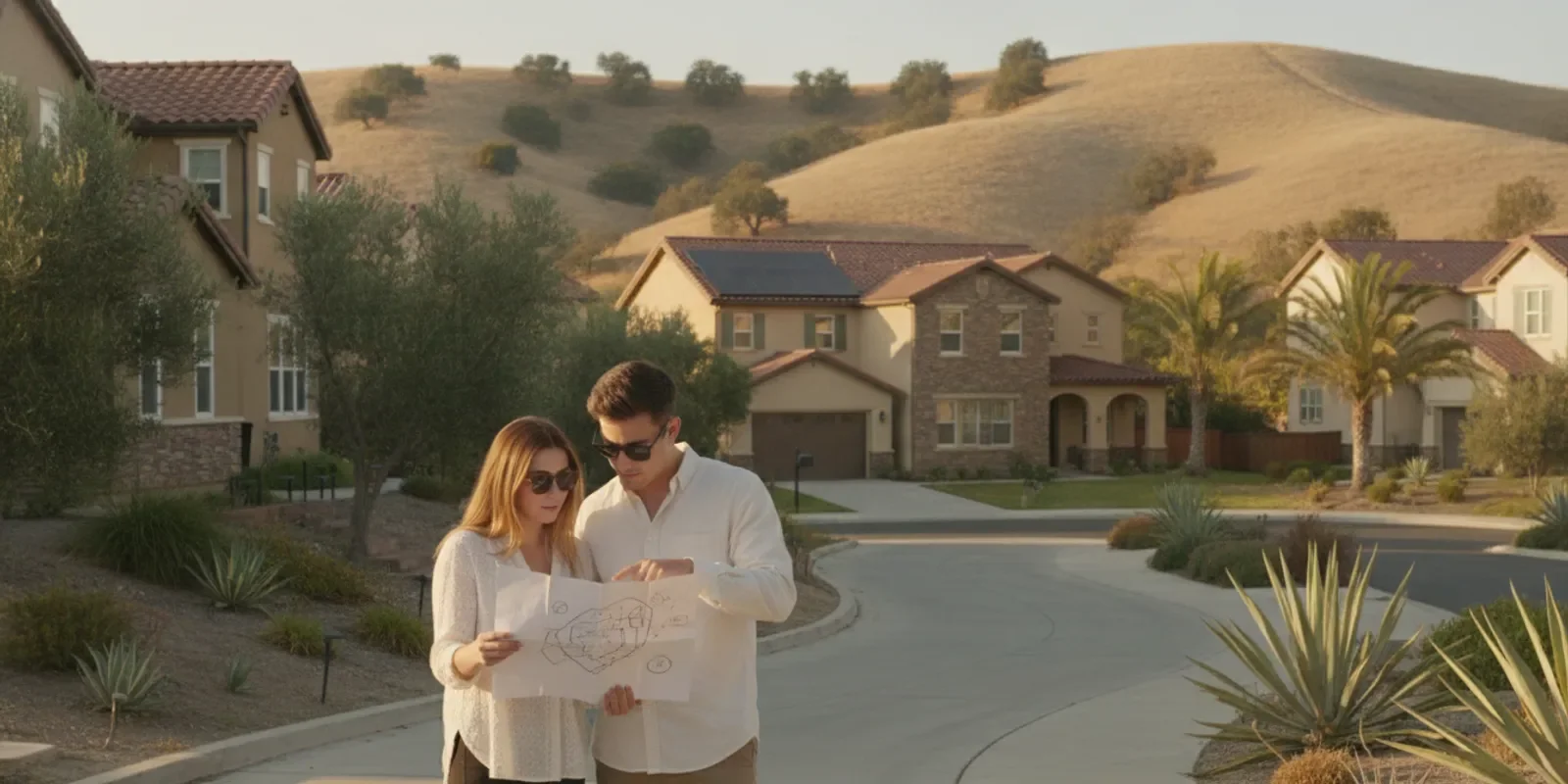
Temecula Valley homes beneath a clear Southern California sky
Use these distinctions when you encounter a dramatic forecast. Look for the geography, date range, and source of the data. A statewide article may be useful context, but a Temecula buyer should compare it with local listings and closed sales. Mogulâs Temecula market outlook can serve as another local reference point; check its date and scope before drawing conclusions.
Which California and Temecula signals are worth watching?
Watch several indicators together rather than searching for one magic warning sign. In Temecula, compare the pace of new listings, pending and closed sales, price reductions, and days on market with recent periods and similar homes. A shift that persists across multiple measures is more informative than a one-week change or an isolated headline.
Active inventory: Are buyers seeing more comparable choices, and are those options concentrated in particular neighborhoods or price bands?
New listings and pending sales: Are homes entering the market faster than buyers are making offers, or are new listings still attracting prompt interest?
Price reductions: Are reductions appearing across comparable properties, or mainly on listings that began above the local market?
Time to sell: Are well-prepared homes also taking longer, or is the change limited to specific property conditions and pricing?
Affordability and financing: How do current financing terms and the full monthly ownership cost fit your own budget?
The California Legislative Analystâs Office describes statewide housing affordability as remaining higher-cost than the national average while stabilizing in recent years. Its California Housing Affordability Tracker is useful for broad context, not a forecast of a Temecula crash. Check the reportâs date and newer releases before using it; a statewide affordability measure does not establish what one home will cost.
Local comparisons matter because one citywide median can hide variation. A detached home, townhome, and property needing repairs may not move in the same way. Compare like with like: location, size, condition, lot, and relevant features. If you are weighing communities, Mogulâs community directory can help organize your search across Temecula and nearby areas.
How to build a useful local snapshot
A small, consistent comparison is often more helpful than a long list of national predictions. Pick one property type and one price range that match your search. Record the date, because inventory and asking prices change. Review the same measures at regular intervals so that a single unusual listing does not become your entire picture of the market.
Choose a defined area and a realistic set of home features.
Record active listings, new listings, pending sales, and closed sales for that segment.
Note listing dates, price changes, and visible differences in condition.
Repeat the comparison on a consistent schedule, using the same definitions.
Ask whether several signals point in the same direction, rather than treating one as proof.
For example, suppose your saved search shows more homes this month, but the added choices are mostly larger or need significant work. That may not improve the options for a buyer seeking a move-in-ready home at a specific budget. Conversely, if similar homes are staying active longer and several sellers are adjusting prices, you may have more time to investigate and negotiate. Neither pattern proves a future crash.
How should Temecula buyers read a changing market?
Read local signals as evidence to investigate, not as a guarantee of what happens next. A market with more choices may give you more time to compare, while a market with few suitable homes may still reward preparation. Your practical advantage comes from a clear budget, comparable-property research, and a plan for what you will do if conditions change.
Start by defining the home and area you actually want. Then review current and recent listings for that specific segment. Note when a property was listed, whether its price changed, and whether a comparable home closed. Asking prices reflect seller expectations; closed sales provide evidence of completed transactions, although they also reflect earlier market conditions.
Build a short monthly snapshot rather than reacting to each new headline. Track a manageable set of homes and note:
How many are available that meet your essential needs.
How asking prices compare with recent closed sales for similar homes.
How long listings remain active and whether they receive reductions.
Whether the same patterns appear across more than one neighborhood or property type.
For a broader view of the buying process, see Mogulâs Temecula home buyer guide. It can help you pair market observation with practical steps such as narrowing locations and preparing to evaluate a property. The goal is not to forecast the bottom; it is to know what trade-offs you are willing to accept.
Read listings and sales as separate evidence
An asking price is a sellerâs starting point, not proof of market value. A reduction can signal a pricing change, but it may correct an overly ambitious initial price rather than reflect a broad decline. A closed sale gives a stronger record of a completed transaction, but it may have been negotiated weeks earlier and may not match your target home.
When comparing homes, write down differences that could affect price: condition, upgrades, lot, layout, location, and any costs tied to the property. Avoid treating two homes as interchangeable simply because they have similar bedroom counts. A useful comparison explains why a sale is relevant and where its limits are.
Should you wait for a California housing crash to buy?
Waiting can make sense if you need time to strengthen savings, reduce obligations, or clarify where you want to live. Waiting solely because someone promises a crash is a different bet: prices, financing costs, available homes, and your circumstances may all change before a predicted drop occurs. No forecast can guarantee that waiting will produce a lower total cost.
Compare two realistic scenarios. In one, you buy a suitable home now and can comfortably manage the payment, maintenance, and other ownership costs. In the other, you wait for a set period and reassess using updated listings and your finances. Avoid assuming that a future purchase price or interest rate is already known.
Before deciding, consider:
Time horizon: How long do you expect to keep the home, and would a short-term price change force you to sell?
Monthly resilience: Can you handle the full payment and routine costs without relying on a future refinance or price increase?
Flexibility: Could you adjust location, home size, or timing if your first choice is not a good fit?
Alternatives: What would renting or remaining in your current home mean for your needs and finances?
Do not stretch your budget to beat a hypothetical market turn. Equally, do not assume that every desirable home will become cheaper because statewide affordability is difficult. A decision that works for your household under more than one plausible scenario is generally sturdier than one that requires a precise prediction.
A practical two-scenario test
Write down the assumptions behind buying now and waiting. For buying, include the payment you can manage, expected maintenance, and how long you might stay. For waiting, include where you would live, how long you plan to pause, and what would prompt you to restart the search. Do not plug in a hoped-for crash price as if it were certain.
Then ask what happens if each assumption is wrong. If you buy and prices soften, can you remain in the home without needing to sell soon? If you wait and prices do not fall, would the home still fit your budget, or would you have to change areas or features? This exercise does not predict which path wins. It reveals which risks your household can tolerate.
What should relocating households compare between coastal and inland areas?
Relocating households should compare the full change in lifestyle and ownership costs, not just headline home prices. Temecula may offer a different mix of home types and daily routines from a coastal origin, but a lower listing price alone does not settle whether a move works. Consider commute patterns, services, maintenance, applicable taxes and fees, and the value of being near people and activities you rely on.
Make a side-by-side comparison using actual properties and your own routine. A location that looks affordable online may involve a longer drive or different costs. Conversely, moving inland may meet your space or budget priorities even if it does not mirror your current neighborhood. The right comparison is personal, not a universal claim that one region is always the better deal.
Use these questions to test a potential move:
What is the realistic door-to-door commute on the days you travel?
Which nearby services, schools, parks, and daily errands matter most to your household?
What are the propertyâs ongoing costs, including applicable association dues or special assessments?
Would the home still suit you if prices stayed flat for several years?
Reviewing available homes by location can ground that comparison. Mogulâs home search page provides a next step for browsing, while its virtual home buying and relocation information is relevant if you are planning from elsewhere. Confirm details directly for any property you are considering.
Compare the move, not only the purchase price
For a household moving from the coast, create two columns: current-area costs and target-area costs. Use the same categories in each column, such as housing payment, routine upkeep, transportation, and any property-specific dues or assessments. Some expenses will be estimates until you inspect a home or confirm details, so label them as estimates rather than treating them as settled facts.
Also compare daily routines. A home that adds space but changes commute time may be a good trade for one household and a poor one for another. Ask each person who will live in the home to identify a must-have and a negotiable feature. That keeps a market-timing debate from overshadowing whether the location works in ordinary life.
How can you make a decision without timing the market?
Use a decision rule you can follow even when forecasts disagree. Set your non-negotiable needs, a comfortable budget ceiling, and the local evidence that would make you pause or proceed. This turns the question from âWill prices fall next?â into âDoes this home and transaction fit my needs at the terms available today?â
Set your financial limits. Include the anticipated payment and realistic ownership costs. Keep room for repairs and changes in household expenses.
Choose the search area. Identify must-have features and acceptable alternatives across Temecula or nearby communities.
Review comparable evidence. Compare similar active listings and recent sales, noting dates and differences in condition.
Decide what would change your mind. For example, pause if the payment exceeds your ceiling, or reconsider a neighborhood if suitable options remain scarce.
Revisit on a schedule. Update your snapshot periodically rather than resetting your plan after every prediction.
Make the rules specific enough to use. âI will buy when the market feels betterâ is difficult to apply because feelings can change with each headline. âI will consider a home only if the total monthly cost fits my limit and the property meets my essential needsâ gives you a repeatable test. You can add a local condition, such as wanting to compare several similar homes before making an offer.
A qualified local real estate professional can help interpret property-level comparisons and transaction details. Buyers should also consult their lender and relevant tax or legal professionals for advice within those fields. Mogulâs contact page offers a way to ask about local home-search guidance without treating an agentâs view as a guarantee of future prices.
Keep a simple decision log
Record the date, the homes you reviewed, the evidence that influenced you, and the next time you plan to revisit the question. If you decide to pause, write down the reason, such as needing more savings or wanting to understand a neighborhood better. If you proceed, note why the home fits your budget and needs at the offered terms.
A decision log helps distinguish a deliberate change in plan from a reaction to a dramatic prediction. It also makes it easier to revisit your assumptions when new information arrives. The log need not be complex; a few dated notes are enough to keep the criteria visible.
Ask Mogul about your Temecula-area search
Frequently Asked Questions
Will California home prices fall in the next year?
No one can reliably guarantee whether prices will rise or fall over a particular year. Outcomes can vary by city, property type, and price range. Check current local comparable sales and listings, and make a decision based on your finances rather than a single statewide prediction.
Is Temecula likely to crash if California prices decline?
A statewide decline would not establish that every Temecula neighborhood or home type would decline by the same amount. Local supply, buyer demand, property condition, and affordability can differ. Watch several local indicators together and compare homes that are genuinely similar.
How often should buyers check market conditions?
Choose a regular interval that suits your search, such as reviewing a monthly snapshot, and update it with dated local information. If you are preparing to make an offer, review current comparable properties and transaction terms with appropriate local guidance. Constantly refreshing headlines can create noise rather than clarity.
What is the safest way to plan for a downturn?
Do not rely on a future price increase, refinance, or crash to make the purchase affordable. Keep the payment within your limits, understand the homeâs ongoing costs, and consider how long you may need to hold it. A resilient plan accounts for uncertainty without pretending to predict it.
The date of the next California housing crash is unknowable, but your decision process can be grounded in current local evidence and a budget that works for your household. Compare Temecula homes carefully, revisit conditions as they change, and choose a plan that does not depend on getting the timing exactly right.