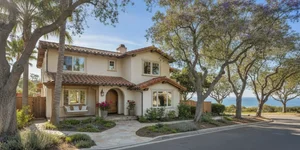
Homes for Sale in La Jolla, CA: 2026 Buyer Guide

Searching for homes for sale in La Jolla CA means comparing more than bedrooms, bathrooms, and square footage. La Jolla includes coastal homes, condominiums, village streets, and properties farther from the water, each with different tradeoffs in setting, access, maintenance, and daily convenience. A useful search starts with the way you plan to live.
What should buyers know about La Jolla?
La Jolla is a coastal community within the City of San Diego, but its housing options do not form one uniform market. Begin by identifying your preferred routine, home type, and relationship to the coast. “Near the ocean” might mean a view, walkability, or a short drive, and each meaning produces a different search.
For broader local context, review Mogul’s community information while checking current listing details separately. Inventory, pricing, and property status change. Treat every listing as an invitation to investigate the exact home rather than as a complete description of the surrounding area.
Set a comfortable total budget, including likely ownership and maintenance costs.
Choose a location priority, such as walkability, quiet streets, views, or driving access.
Decide whether a detached home, condominium, or townhome fits your household.
List the features you require before attractive photos influence your judgment.
It also helps to distinguish a lifestyle preference from a practical requirement. A preference might be a particular outlook or outdoor space. A requirement might be enough sleeping space, manageable stairs, parking, or a route that works for your regular commitments.
Which La Jolla area fits your priorities?
La Jolla’s areas offer different combinations of shoreline access, village conveniences, residential character, and distance from major roads. No single area is best for every buyer. Compare exact locations against your routines, because street-level access, activity, parking, and noise can vary within the same broadly recognized neighborhood.
La Jolla Village places shops, restaurants, and services within reach of many homes, although walkability varies by block and property. The coastline and popular destinations shape the setting, while visitor activity and parking may affect some streets at certain times.
Bird Rock offers a residential feel with local commercial nodes, but homes and access differ from block to block. La Jolla Shores is associated with the beach and nearby coastal activities. Inland areas provide another balance of housing forms, routes, and everyday access.
| Area or setting | Could suit buyers who value | What to verify |
|---|---|---|
| Village | Nearby shops, services, and a lively coastal setting | Street activity, parking, and walking routes |
| Bird Rock | A residential feel with local amenities nearby | Block-specific access, traffic, and condition |
| La Jolla Shores | Proximity to the beach and coastal recreation | Exposure, maintenance, and exact routes |
| Inland La Jolla areas | Different housing choices and nearby connections | Commute, driving needs, and boundaries |
These categories provide orientation, not a guarantee about an address. Visit at different times, map the routes you expect to use, and compare the immediate surroundings with the listing itself. A property that looks close to a destination on a map may still require a route that does not suit your everyday plans.

How do coastal conditions affect a home search?
Coastal appeal can be significant, but it makes property-specific due diligence especially important. Salt air, sun exposure, wind, drainage, and the age of exterior materials can affect maintenance planning. Conditions vary by site and construction, so inspect the individual home instead of assuming every coastal property has the same exposure.
During a showing, look closely at exterior finishes, windows, decks, railings, and visible drainage paths. Ask what maintenance has been completed and when. A polished interior does not answer questions about the roof, building envelope, exterior wood, or other components that may require professional review.
California’s coastal zone has formal planning and permitting considerations. Consult the California Coastal Commission for general information, then ask appropriate local officials or qualified professionals about a specific property or project. Do not infer permit status or future development rights from a listing description.
Confirm whether the property belongs to a homeowners association and understand recurring dues.
Ask about known repairs, permits, and work that may require local approval.
Review insurance availability and coverage directly with an insurance professional.
Use qualified inspectors to assess condition and recommend further evaluation if needed.
For a condominium or planned community, review association responsibilities, governing documents, financial information, rules, and available inspection or reserve materials. A condo may reduce some exterior responsibilities while introducing shared costs and decision-making. A detached home may offer more control while placing more upkeep directly on the owner.
How should you compare homes for sale in La Jolla CA?
Compare listings with the same practical criteria instead of allowing a dramatic view or polished staging to dominate. A side-by-side review of location, condition, usable space, monthly obligations, and access can show which properties fit your needs and which require more investigation.
Start with essentials, preferences, and deal-breakers. Essentials might include enough bedrooms, workable access, or a layout that supports your household. Preferences might include a particular view, outdoor space, or proximity to a favorite destination. This separation helps you evaluate compromises consistently.
Location: Test routes at the times you expect to travel and check the walk to places you use.
Layout: Consider stairs, storage, privacy, natural light, and how rooms function day to day.
Condition: Note visible concerns and budget time for professional inspections.
Ongoing costs: Include taxes, insurance, utilities, association dues, and likely maintenance.
Future flexibility: Consider whether the location and layout could work for a future buyer without assuming a particular result.
Listing photos and descriptions help screen options, but they cannot replace a visit and document review. Compare a condo with a detached home by accounting for association rules and shared maintenance alongside the responsibilities of a standalone property.
Build a comparison sheet
Use one row per property and record the same items each time. Add the date you viewed the listing, because status and details can change. Keep observations separate from questions: “the deck railing appears weathered” is an observation, while “when was it last repaired?” is a follow-up.
Useful fields include asking terms, property type, approximate distance to routine destinations, parking, outdoor space, visible condition, association dues, and documents still needed. Avoid relying on one score. A weighted list can help, but a serious concern about condition or affordability should not disappear because a home scores well elsewhere.
What should you check before making an offer?
Before committing, verify the facts that affect your budget, intended use, and comfort with the property. The right review depends on the home, so treat this checklist as a starting point and consult qualified professionals for legal, tax, lending, inspection, and insurance questions.
Read disclosures and available records carefully. Ask for clarification where information is incomplete or inconsistent. For a home with an association, obtain and review governing documents and financial materials within applicable transaction timelines. Confirm that renovations or additions relevant to your plans have documentation that can be checked.
Ask questions early enough to investigate the answers. If a listing mentions a recent improvement, request details about the work, date, contractor if known, and permits where relevant. If a room, deck, or other feature is central to your plans, ask a qualified professional whether it is suitable and properly documented.
Compare disclosures with your observations during the visit.
Identify outstanding inspections, records, or association materials and who will obtain them.
Ask your lender and insurance professional about required documentation.
Track transaction dates and review requirements with the professionals advising you.
Keep written questions so important details are not lost between showings.
Relocating buyers should test the everyday pattern, not only the weekend experience. Visit at different times, assess parking and access, and consider how visitors, seasonal activity, and the coastal setting influence your preferred areas.
Mogul offers a virtual home buying and relocation resource for buyers coordinating a move from a distance. Use it to organize questions and viewings, then confirm each listing’s current status and details through appropriate channels.
How can you organize your La Jolla home search?
A clear process reduces unnecessary tours and makes changing priorities easier to spot. Start with a budget and location brief, compare a manageable group of listings, and refine your filters after seeing how actual homes match your expectations.
Write down must-haves, preferences, and deal-breakers.
Choose a few areas to investigate and map routes to work, school, or regular activities.
Compare homes with a consistent checklist, including ownership costs and condition.
Visit promising properties and note questions immediately afterward.
Review disclosures and seek expert input before deadlines require a decision.
Keep notes on why each home remains on or leaves your shortlist. This record can prevent a striking feature from overshadowing a practical concern. It also helps you recognize when criteria need adjusting, such as expanding the area or reconsidering the preferred property type.
How should you plan a useful viewing day?
Group potential visits by area when possible, but leave time between appointments to record impressions. After each tour, write down what worked, what did not, and which facts remain unverified. This is more reliable than trying to remember several similar layouts later.
Check the street and nearby routes as well as the interior. Notice the approach to the home, parking arrangements, noise, slope, and the walk to places you expect to use. If a feature matters at a certain time, such as light or traffic, schedule a return visit when practical.
To explore homes currently presented through Mogul’s search experience, visit the home search page. You can also review the Temecula buyer guide for an inland comparison and the Fallbrook guide for another North County setting.
Buyers who are also evaluating a different ownership arrangement can read Mogul’s guide to buying a condominium. The details will differ by community, but the comparison topics—rules, shared costs, responsibilities, and documents—are useful reminders during any condo search.
It can also help to keep local questions in one place. Mogul’s home-buying steps offer another framework for moving from initial criteria to property review without treating the first attractive listing as the final choice.
For a practical example, imagine comparing a village condo with an inland detached home. The first may better match a plan to walk to some errands, but the association documents, parking arrangements, and shared expenses deserve careful review. The second may offer different space and upkeep tradeoffs, while making some daily trips more dependent on driving. Neither description determines which is better; the right choice depends on how the household actually uses the property.
Before booking several tours, draft a short property brief that another person could understand. Include your preferred home types, the features you will not compromise on, the areas you want to test, and the costs you need to keep within reach. Add open questions about coastal exposure, access, and association obligations. A clear brief helps you compare options without treating every listing as equally suitable.
Use a repeatable follow-up routine after each showing. Within a day, transfer your notes into the comparison sheet, attach any documents received, and mark each question as answered, pending, or no longer relevant. If a home remains promising, arrange the next specialist review rather than relying on a casual impression. This creates a practical record for decisions made under transaction deadlines.
Start your La Jolla home search
Frequently Asked Questions
Are La Jolla homes all close to the beach?
No. La Jolla includes coastal and inland locations, and distance to the shoreline varies. Check the exact address and route instead of relying on a broad area name.
Should I choose a condo or a detached home?
That depends on your priorities and tolerance for shared rules and costs. Compare association dues and responsibilities with the maintenance and upkeep of a detached property.
What should I inspect in a coastal home?
Ask qualified inspectors to assess the property’s condition, including exterior materials, windows, drainage, and areas of concern. Ask follow-up questions about repairs and permits where relevant.
How can an out-of-area buyer tour homes?
Coordinate in-person or remote viewings, request current property details, and allow time to review disclosures and other records. Mogul’s relocation resource can help organize a remote search.
A thoughtful La Jolla search balances neighborhood fit, property condition, ongoing costs, and the way you plan to live in the home.