
The Top Factors That Influence Home Value
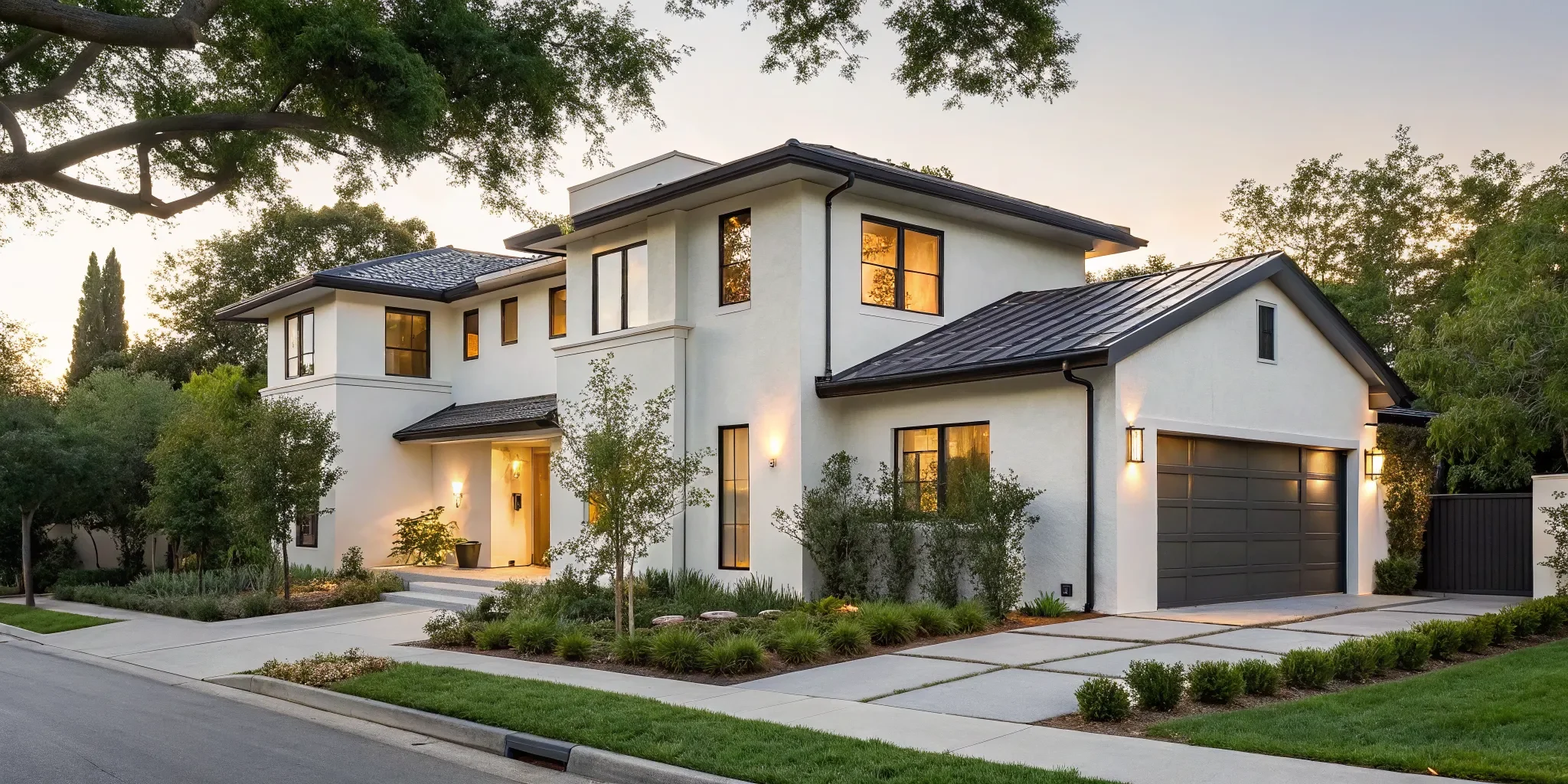
Determining a home's value is like following a recipe with three main ingredients: the property itself, its location, and the state of the real estate market. If you only focus on one, you miss the full picture. You might have a beautifully updated house, but its value is still tied to the neighborhood it's in. Likewise, a great location can be affected by a market where buyers are scarce. All three elements must work together to create the final price. By breaking down these core components, you can get a realistic and comprehensive understanding of your home’s potential. These are the fundamental factors that influence home value, and we’ll walk through each one.
Key Takeaways
- Focus on what you can control: Your home's value is determined by its features, its location, and the current market. Since you can't change the location or the economy, your greatest power lies in improving your property's condition through thoughtful updates and consistent maintenance.
- Prioritize high-impact improvements: You don't need a massive remodel to see a great return. Cost-effective updates to kitchens and bathrooms, enhancing curb appeal, and ensuring major systems are in good working order are the smartest investments for attracting buyers.
- Price your home strategically with an expert: Setting the right price from the beginning is the most effective way to generate strong interest and competitive offers. Partnering with a local real estate agent for an accurate market analysis ensures your home is positioned to sell successfully.
What Determines Your Home's Value?
Figuring out what your home is worth can feel like a mystery, but it really comes down to a mix of three key ingredients: the property itself, its location, and the current state of the real estate market. Think of it as a three-legged stool. If one leg is wobbly, it affects the overall balance and, in this case, the final price. Understanding how these elements work together is the first step toward getting a clear picture of your home's value. Whether you're thinking of selling or just curious, breaking down these factors will help you see your property through the eyes of a potential buyer or an appraiser. Let's look at what really moves the needle on a home's price tag.
Your Property's Features: Size, Condition, and Upgrades
First, let's talk about your home's physical characteristics. While bigger homes often sell for more, the layout is just as important as the square footage. Buyers today love practical, open floor plans and features like a main-floor bedroom or a dedicated home office. The condition of your home is also a major factor. A well-maintained property with a newer roof and updated systems is naturally worth more. On the flip side, visible wear and tear can lower the value. Thoughtful home improvements can also make a big difference, adding both value and appeal for potential buyers.
Location, Location, Location: The Neighborhood and Beyond
You've heard it a million times for a reason: location is everything in real estate. A home's value is deeply tied to its surroundings. Being close to great schools, shopping centers, parks, and major employment hubs makes a property far more desirable. The overall character of the neighborhood plays a huge role, too. Things like low crime rates, well-kept streets, and a strong sense of community can significantly increase a home's worth. Families, in particular, often prioritize homes in highly-rated school districts, which can drive prices up. Exploring different Southern California communities can give you a better sense of how location impacts lifestyle and value.
The Current Market: Supply, Demand, and Economic Trends
Finally, your home's value is influenced by forces outside your property lines. The real estate market is all about supply and demand. When there are more buyers than available homes (a "seller's market"), prices tend to rise. Conversely, when there are many homes for sale and fewer buyers (a "buyer's market"), prices can level off or even dip. Broader economic trends also have an impact. Things like interest rates affect a buyer's purchasing power, and a strong local job market means more people have the financial stability to buy a home. Getting a home valuation can help you understand how these market dynamics apply to your specific property.
Why Does Location Matter So Much?
You’ve heard the real estate mantra a million times: "location, location, location." It’s a classic for a reason. While the features inside your home are what you enjoy day-to-day, its placement on the map defines your lifestyle and plays a huge role in its long-term value. A great location isn't just about a prestigious zip code; it's about how well the area supports your needs and future plans. It’s the backdrop for your morning coffee run, your commute to work, and your weekend plans with friends and family.
When you buy a home, you're also investing in the community around it. The quality of local schools, the safety of the streets, proximity to parks and shops, and even upcoming development projects all contribute to your property's desirability. These external factors are often just as critical as the number of bedrooms or the size of the backyard. A home in a less-than-ideal location can be difficult to sell, even if it's beautifully updated. Conversely, a modest home in a fantastic area often holds its value incredibly well. Understanding what makes a location valuable is the first step to making a smart real estate decision, whether you're looking for your forever home or a promising investment property. Let's break down exactly what makes a location shine.
Neighborhood Appeal and Safety
The overall vibe of a neighborhood is a powerful factor in a home's value. Think about what makes an area feel like home: well-maintained streets, friendly neighbors, and a general sense of security. A neighborhood with low crime rates and a strong community feel is naturally more attractive to buyers. When you explore different communities, you'll notice that the most desirable ones often have a distinct character and pride of place. This appeal isn't just about aesthetics; it translates directly into demand, which helps sustain and grow property values over time. A safe, welcoming neighborhood provides peace of mind, and that’s something buyers are always willing to invest in.
The Quality of Local Schools
For many families, the quality of the local school district is a non-negotiable. Homes in areas with highly-rated schools are consistently in high demand. This demand does more than just make a neighborhood popular; it creates a stable and competitive market. Properties in these districts tend to sell faster and often for a higher price. Even if you don't have children, buying in a good school district is a smart move. The reputation of the schools protects your investment, as there will always be a steady stream of families looking to move into the area. It’s one of the most reliable indicators of a neighborhood's long-term stability and value.
Proximity to Amenities and Jobs
Convenience is king. A home’s value is significantly influenced by how close it is to jobs, shopping, parks, and entertainment. Being able to walk to a coffee shop, get to the grocery store in minutes, or have a short commute to a major employment hub makes daily life easier and more enjoyable. Neighborhoods rich with amenities like gyms, restaurants, and cultural spots create a vibrant lifestyle that people want to be a part of. This easy access to life's necessities and pleasures makes a property more desirable, which in turn drives up its value. When you buy a home, you're also buying into a particular lifestyle defined by these conveniences.
Access to Transportation and Future Developments
How easily you can get around matters. A home with convenient access to highways and public transportation is a major plus, especially in sprawling areas like Southern California. It can reduce commute times and make the entire region more accessible. Beyond current infrastructure, it's wise to keep an eye on what's planned for the future. Proposed developments like new transit lines, parks, or shopping centers can significantly increase property values in the surrounding area. Investing in a neighborhood with a promising future is a great way to build equity. This forward-looking perspective ensures your home's location will continue to serve you well for years to come.
How Do Market Conditions Affect Home Value?
Your home’s value isn’t just about its square footage or that beautiful kitchen remodel. It’s also deeply connected to the world outside your front door. The real estate market is a living thing, influenced by economic trends and consumer behavior that can cause a property’s value to shift. Understanding these forces is key, whether you’re thinking of selling soon or just want to keep an eye on your investment.
The core of market conditions comes down to a few key elements: the balance of available homes versus interested buyers, the current interest rates affecting mortgages, the health of the local economy, and even the time of year. These factors work together to create either a “seller’s market,” where prices tend to rise, or a “buyer’s market,” where things might cool off. Getting a clear picture of how these conditions impact your specific property is the first step toward making a smart real estate decision. A professional home valuation can help you see where you stand in the current market.
The Dynamics of Supply and Demand
At its heart, real estate runs on the simple principle of supply and demand. When there are many buyers competing for a small number of available homes, it’s a seller’s market. This high demand and low supply naturally push prices up. On the flip side, when there are more homes for sale than there are active buyers, it becomes a buyer’s market. With more options to choose from, buyers have more negotiating power, and prices may level off or even decrease. Keeping an eye on the number of homes for sale in your area can give you a good sense of which way the market is leaning.
How Interest Rates Impact Buyer Demand
Mortgage interest rates have a major impact on how much a buyer can afford. When rates are low, borrowing money is cheaper, which means buyers can qualify for larger loans and afford higher-priced homes. This often fuels demand and contributes to rising property values. Conversely, when interest rates go up, monthly mortgage payments increase. This reduces a buyer's purchasing power, which can cause some people to pause their home search. This slowdown in demand can lead to a stabilization or even a dip in home prices as sellers adjust to a smaller pool of potential buyers.
The Local Economy and Job Market
A thriving local economy is fantastic for home values. When a community has a strong job market and growing companies, more people want to move there. This influx of new residents increases the demand for housing, which in turn supports property values. Areas with low unemployment and rising incomes give people the financial confidence to invest in a home. The diverse and robust economies across our communities in Southern California are a great example of how a healthy job market can sustain a strong real estate market over the long term.
Seasonal Trends and When to Sell
The real estate market often follows a seasonal pattern. Spring and summer are typically the busiest seasons, with more buyers looking and more homes hitting the market. This heightened activity can create more competition and sometimes lead to quicker sales. The fall and winter months tend to be a bit slower. However, seasonality is just one factor. A great offer can come at any time of year. The best time to sell your home really depends on your personal goals and the current supply, demand, and economic conditions. An experienced agent can help you create a strategy that works for you, no matter the season.
How Do Your Home's Features and Condition Stack Up?
Once you’ve considered the neighborhood and the market, it’s time to look inward at the property itself. Your home’s specific characteristics, from its size and layout to its overall condition, play a huge role in determining its value. Buyers are looking for a home that not only meets their needs on paper but also feels right in person. Taking an honest look at your property’s strengths and weaknesses is the first step toward understanding its true market potential.
Space and Flow: Square Footage and Layout
While it’s true that larger homes often command higher prices, square footage is only part of the story. The layout, or floor plan, is just as important. Today’s buyers tend to prefer open-concept living spaces that feel bright and connected. A practical and intuitive flow between the kitchen, dining, and living areas can make a home feel much larger and more functional. Features like a main-floor bedroom, a dedicated home office, or a well-placed laundry room can also add significant appeal and value, as they cater to modern lifestyles.
The Big Picture: Age, Maintenance, and Overall Condition
A home’s age can influence its value, but its condition is far more critical. A newer home with deferred maintenance can be worth less than an older home that has been meticulously cared for. Buyers pay close attention to the health of major systems, including the roof, plumbing, HVAC, and electrical. Obvious signs of wear and tear or bigger issues like foundation cracks can be major red flags. Proving that you’ve kept up with regular maintenance shows pride of ownership and gives buyers peace of mind, making them more willing to submit a strong offer.
First Impressions: Curb Appeal
The first thing a potential buyer sees is your home’s exterior, and that initial impression can set the tone for the entire showing. Great curb appeal creates an emotional connection before they even step inside. You don’t need a complete overhaul to make a difference. Simple actions like applying a fresh coat of paint to the front door, planting colorful flowers, and ensuring the lawn is neatly trimmed can dramatically improve your home’s appearance. Upgrading outdoor light fixtures or adding new house numbers are other small, inexpensive touches that create a welcoming and polished look.
Modern Comforts: Interior Updates and Amenities
Inside the home, certain updates consistently attract buyers and add value. Kitchens and bathrooms are at the top of the list. A modern kitchen with updated countertops, stainless steel appliances, and refreshed cabinets is a major selling point. Similarly, bathrooms with contemporary fixtures, new vanities, and clean tile work feel fresh and appealing. Swapping out old, worn carpeting for durable flooring like hardwood or luxury vinyl plank can also make a big impact. These are the kinds of valuable improvements that help your home stand out from the competition.
Which Home Improvements Offer the Best Return?
When you’re thinking about selling, it’s natural to wonder which home improvements will actually pay off. While it’s tempting to go all-out on a remodel, not every project guarantees a dollar-for-dollar return. The smartest approach is to focus on updates that appeal to the widest range of buyers and add real, functional value. In competitive Southern California markets, strategic renovations can make your property stand out and help you get the best possible price.
From refreshing key rooms like the kitchen and bathroom to enhancing your outdoor space and simply keeping up with maintenance, the right improvements can make a world of difference. Let’s look at where your money is best spent to maximize your return on investment.
High-Return Renovations: Kitchens and Bathrooms
Kitchens and bathrooms are famous for selling homes, but that doesn’t mean you need a six-figure remodel. In fact, a major overhaul with highly specific, custom finishes can sometimes have a lower ROI because it might not suit every buyer's taste. Instead, focus on minor-to-mid-range updates that create a fresh, modern, and clean feel. Think about painting cabinets, installing new hardware, updating lighting fixtures, and replacing old countertops with a popular material like quartz. For bathrooms, simple changes like a new vanity, re-glazing an old tub, or installing modern tile can have a huge impact. These cost-effective changes make the space feel new without breaking the bank, offering one of the best returns for your money.
Smart Upgrades: Energy Efficiency and Home Tech
Today’s buyers are looking for homes that are not only beautiful but also efficient and convenient. Upgrades that lower utility bills and add a layer of modern tech are becoming major selling points. Installing EnergyStar appliances can be a great start, as can updating windows to be more energy-efficient. Smart home features are also a huge draw. A smart thermostat, video doorbell, or smart lighting can make a home feel more secure and up-to-date. These features signal to buyers that a home is well-maintained and ready for a modern lifestyle, which can definitely help it stand out from the competition.
Outdoor Living: Landscaping and Patios
In Southern California, your outdoor space is a true extension of your home. This is why enhancing your property’s curb appeal and creating functional outdoor living areas offers such a fantastic return. Start with the basics: a tidy lawn, fresh mulch, and some colorful, drought-tolerant plants can instantly make your home more inviting. A freshly painted front door is another simple but powerful touch. If you have the space, adding a deck or patio creates a dedicated spot for entertaining and relaxing, which is a huge plus for buyers who want to enjoy the beautiful SoCal weather. These improvements show pride of ownership and help buyers envision themselves living there before they even step inside.
The Importance of Preventative Maintenance
It might not be the most exciting project, but preventative maintenance is one of the most important things you can do to protect your home’s value. Buyers want peace of mind, and a home that has been clearly cared for provides just that. This means addressing the unglamorous but critical items: servicing the HVAC system, checking for roof leaks, ensuring there’s no water damage, and keeping the paint fresh. A pre-listing inspection can help you identify any hidden issues. When buyers see that major systems are in good shape, they feel more confident making a strong offer. A well-maintained home will always get a better home valuation and a smoother sales process.
How Can You Get the Most for Your Home?
Selling your home is a big deal, and you naturally want to get the best possible price. Maximizing your home's value isn't about luck; it's about smart strategy. From understanding its true worth to timing your sale perfectly, every step matters. It’s about making informed decisions that position your property to attract the right buyers and secure a top-dollar offer. Here’s a breakdown of the key areas to focus on when you’re getting ready to sell.
Understanding Your Home's Worth: Appraisals vs. CMAs
When you start to figure out what your home is worth, you'll likely hear two terms: appraisal and CMA. An appraisal is a formal, detailed report created by a licensed expert. This is often required by a mortgage lender to ensure the loan amount is appropriate for the property's value. A Comparative Market Analysis, or CMA, is what a real estate agent prepares. They analyze recent sales data from similar homes in your neighborhood to suggest a competitive listing price. While an online home valuation tool can give you a great starting point, a CMA from a local agent provides a more nuanced, street-level perspective to help you price your home effectively.
Smart Selling: Timing and Market Positioning
The "when" of selling can be just as important as the "what." The real estate market is driven by supply and demand. If there are few homes for sale in your area, prices tend to go up. If there's a surplus of listings, prices might soften. It’s tempting to price your home on the high side to see what happens, but this can backfire. An overpriced home often sits on the market, even in a seller's market, which can make potential buyers wonder if something is wrong. Pricing your home correctly from the start is the best strategy for generating strong interest and encouraging competitive offers.
Partnering with a Local Real Estate Expert
While online resources are helpful, nothing replaces the insight of a professional who lives and breathes your local market. An experienced agent does more than just list your home; they provide an accurate valuation, create a targeted marketing plan, and negotiate skillfully on your behalf. An agent who truly knows the unique character of Southern California’s communities can position your home to highlight its best features to the right audience. Working with a dedicated real estate team ensures you have an expert guiding you through every step of the process, helping you avoid common pitfalls and achieve your financial goals.
Protecting Your Home's Value Over Time
Your home's value isn't static; it's something you can protect and grow over time with consistent care. Keeping up with routine repairs and addressing major system issues, like the roof or HVAC, is essential for protecting your investment. These aren't always the most glamorous updates, but they are what buyers and appraisers look for. Strategic improvements, such as a refreshed kitchen or updated bathrooms, can also increase your home's appeal and value when it's time to sell. For investment property owners, professional property management can handle this ongoing maintenance, ensuring the asset remains in top condition and appreciates over time.
Related Articles
- Home Appraisals 101: Factors an Appraiser Looks At To Determine a Home's Value
- Sellers, Beware! These Home Improvements Could Hurt Your Home's Value
- In Love With Historic Homes? Here Are The Pros And Cons Of Buying One
- The ABCs of Real Estate: Real Estate Terms Every Buyer And Seller Needs To Know
- What Things Should You Disclose When Selling A Home?
Frequently Asked Questions
How can I get a realistic idea of what my home is actually worth? Online valuation tools are a great place to start for a general estimate, but they don't see the whole picture. For a truly accurate understanding, you'll want a Comparative Market Analysis (CMA) from a local real estate agent. An agent analyzes recent sales of homes very similar to yours in your immediate area, providing a much more precise and strategic pricing recommendation. This is different from a formal appraisal, which is a detailed report a buyer's lender typically requires to approve a loan.
Do I need to do a major kitchen and bath remodel to get a good price? Not at all. In fact, massive, custom renovations rarely provide a full return on your investment. The smartest approach is to focus on minor updates that make these key rooms feel fresh and modern. Think about painting cabinets, installing new hardware and light fixtures, or replacing dated countertops with a popular, neutral material. The goal is to create a clean, appealing space that allows buyers to envision themselves living there.
My house is in great condition, but how much do outside factors like the economy really affect its value? External factors play a huge role. Your home's value is always influenced by the current real estate market, which is shaped by supply and demand, mortgage interest rates, and the health of the local job market. For example, in a seller's market with low inventory, your home's value will likely be higher. Similarly, low interest rates can increase buyer purchasing power, which also helps support strong home prices.
Is it better to focus on curb appeal or interior updates when preparing to sell? Both are important, but it's best to think from the outside in. Curb appeal creates the critical first impression that makes a buyer excited to walk through the front door. Simple things like a tidy lawn, fresh paint on the door, and some new plants can make a huge difference. Once inside, focus your efforts on high-impact areas like the kitchen and bathrooms, along with fresh paint and clean flooring throughout.
What's more important: the size of my house or the layout? While a larger home often has a higher price tag, today's buyers place a huge emphasis on a functional layout. A home with a great flow, an open-concept living area, and practical features like a home office or a main-floor bedroom can be far more desirable than a larger home with a choppy or dated floor plan. It's really about how well the space works for a modern lifestyle.