The Best Way to Sell a House Fast: A Guide

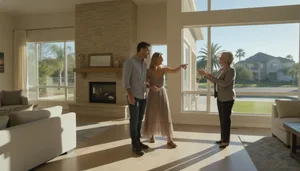
To sell your home quickly, you need to think like a buyer. What makes them schedule a showing within minutes of seeing a listing? What convinces them to make a strong offer right away? It comes down to creating a property that feels like an undeniable value and a place they can immediately call home. This means presenting your house in its best possible light, both online and in person. The best way to sell a house fast is to build desirability from the very first impression. We’ll walk you through the essential steps, from professional photos to simple repairs, that make buyers feel an urgent need to make your home theirs.
Key Takeaways
- Set a competitive price and make your home shine: A quick sale starts with a realistic price based on market data, not emotion. Combine this with essential preparations like deep cleaning, decluttering, and minor repairs to make a powerful first impression on buyers.
- A strong online presence is non-negotiable: Since most buyers begin their search online, professional photos and a compelling property description are critical. A complete marketing plan ensures your home gets seen by the largest pool of qualified buyers right away.
- Choose your selling path based on your priorities: Decide if your main goal is getting the highest possible price or having the fastest, most certain sale. A traditional sale usually brings more profit, while a cash offer provides speed and convenience for a lower price.
What Makes a House Sell Fast?
Selling a house quickly isn't just about luck; it's about strategy. When a home flies off the market, it’s usually because the seller and their agent have carefully managed three key elements: timing, preparation, and price. Think of these as the three legs of a stool. If one is wobbly, the whole process can feel unstable and take much longer than you’d like. Getting these factors right from the start creates a sense of urgency and desirability that attracts serious buyers and encourages them to act fast.
The goal is to present a property that buyers can immediately see themselves in, at a price that feels fair for the current market. This means looking at your home through a buyer's eyes, understanding the local real estate climate, and trusting the data when it comes to setting a price. From making small, impactful repairs to launching your listing when buyers are most active, every decision plays a role. We’ll walk through how to handle each of these components to give your home the best possible chance of a speedy sale.
Timing the Market
While you can't control the real estate market, you can certainly work with it. The time of year you list can make a difference, with spring and summer often seeing more buyer activity. However, local trends are just as important. For example, areas like the Temecula Valley are experiencing population growth, which creates consistent demand for housing year-round. An experienced agent can help you understand the specific rhythm of your neighborhood. They’ll know if inventory is low, creating a seller’s market, or if there’s a surge of buyers looking for homes just like yours. The key is to launch your listing when the largest pool of potential buyers is actively looking.
Getting Your Property Ready
First impressions are everything in real estate. A home that looks well-cared-for instantly signals value to buyers and helps them picture themselves living there. A little effort before listing can help you sell much faster and for a better price. This doesn't mean you need a full-scale renovation. Instead, focus on the small things that make a big impact. Fix that leaky faucet, touch up chipped paint, and replace any dated light fixtures. A deep clean and decluttering are non-negotiable. When you list with an expert, they can provide a checklist of high-impact preparations to make your home shine.
Pricing It Right
Of all the factors, price is the most powerful lever for a quick sale. If your home is priced too high, it can sit on the market for weeks, scaring off potential buyers before they even book a showing. The goal is to price it competitively from day one. This means setting a price that aligns with what similar homes in your area have recently sold for. Listing at or slightly below market value can generate a flood of interest, sometimes even leading to multiple offers. A strategic price shows buyers you’re serious and helps your home stand out as a great value. Getting a professional home valuation is the best first step to finding that perfect number.
How to Price Your Home for a Quick Sale
Pricing your home is part art, part science, and it’s one of the most critical factors in how quickly you sell. If you price it too high, you risk having it sit on the market for months. If you price it too low, you could leave money on the table. The goal is to find that sweet spot: a competitive price that attracts a wave of interested buyers from the moment it’s listed. This creates the momentum you need for a fast and profitable sale. Getting the price right from the start saves you the stress of price reductions and drawn-out negotiations later on. Let’s walk through how to set a price that gets your home sold.
Analyze Local Comps
The first question you need to answer is, "What are homes like mine selling for right now?" The best way to figure this out is by looking at local comps, which is short for a comparative market analysis (CMA). This process involves comparing your property to recently sold homes, active listings, and properties currently under contract in your immediate area. You’ll want to focus on homes that are similar in size, age, condition, and features. This data gives you a realistic baseline and helps you understand what buyers are actually willing to pay in the current market. You can get a preliminary idea of your home's worth with a free home valuation to kickstart your research.
Consider Pricing Below Market Value
This might sound counterintuitive, but it can be a brilliant strategy for a quick sale. Intentionally pricing your home just slightly below its perceived market value isn't about losing money; it's about creating a buzz. A highly competitive price can attract a much larger pool of potential buyers as soon as your home hits the market. This flood of interest often leads to multiple offers, which can spark a bidding war. In many cases, this friendly competition drives the final sale price up, sometimes even higher than your original market value estimate. If speed is your top priority, this tactic can generate serious momentum right out of the gate.
Avoid Common Pricing Mistakes
The most common mistake sellers make is letting emotion drive their pricing strategy. It’s easy to overvalue your home because of the memories you’ve made there or the money you’ve put into it. However, buyers are guided by the market, not sentiment. Overpricing your home from the start can cause it to sit on the market, making potential buyers wonder if something is wrong with it. This often leads to price cuts down the road, which can signal desperation. An experienced real estate agent provides an objective, data-driven perspective to help you set a realistic price that attracts buyers without leaving money on the table.
How to Prep Your Home to Sell Faster
Once you’ve settled on a price, it’s time to make your home look its best. Getting your property ready for showings is one of the most important steps you can take to ensure a quick sale. Buyers form an impression within seconds of seeing your home online or pulling up to the curb. A well-prepared home signals that it’s been cared for, which gives buyers the confidence to make a strong offer. Let’s walk through the four key areas to focus on.
Deep Clean and Declutter
Think of this as getting your home back to its original, pristine state. A deep clean goes beyond your regular weekly tidying. We’re talking about scrubbing baseboards, cleaning windows inside and out, and making sure your kitchen and bathrooms sparkle. When buyers see a spotless home, they feel it has been well-maintained. At the same time, declutter every single room. Pack up personal photos, knick-knacks, and excess furniture. Your goal is to create a clean, open space where buyers can envision their own belongings. A tidy home often feels larger and can positively influence its perceived home valuation.
Stage Your Home Strategically
Staging isn’t about a complete design overhaul; it’s about highlighting your home’s best features. Simple changes can make a huge impact. Fix that leaky faucet, touch up chipped paint, and replace any outdated light fixtures. Arrange furniture to create a natural flow and define each room’s purpose. You want to create a warm, inviting atmosphere that feels like home to a wide range of buyers. By neutralizing the decor and depersonalizing the space, you help potential owners picture their future life there. Our team has years of experience in this area, which is a key reason to list with us.
Prioritize Essential Repairs
Every home has its quirks, but you don’t want any surprises to pop up during a buyer’s inspection. It’s smart to address any known issues before you list. If you have an older roof, HVAC system, or concerns about plumbing, consider getting a pre-listing inspection. This allows you to handle necessary repairs on your own terms and timeline. Being upfront about the condition of your home builds trust and can prevent stressful, last-minute negotiations that could delay your sale. If you’re unsure which repairs offer the best return, contact us for guidance.
Boost Your Curb Appeal
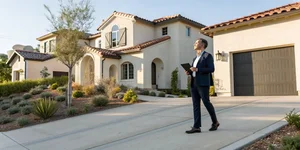
The first thing a buyer sees is the outside of your home, whether it’s in an online photo or from their car. A great first impression can make all the difference. Simple actions like mowing the lawn, trimming overgrown bushes, and adding fresh mulch can instantly make your property look more appealing. Consider pressure washing the driveway and siding, adding a fresh coat of paint to the front door, and planting some colorful flowers. These small efforts show pride of ownership and make buyers excited to see what’s inside, setting a positive tone for the entire showing.
How to Market Your Home for a Quick Sale
Once your home is prepped and priced, it’s time to tell the world about it. Effective marketing is what separates a home that sells in a week from one that lingers on the market for months. It’s not just about putting a sign in the yard; it’s about creating a strategic campaign that captures attention and creates a sense of urgency. A successful marketing plan focuses on making an incredible first impression online, reaching the right buyers where they spend their time, and making it as easy as possible for them to fall in love with your home in person. When you list your home with us, we build a comprehensive marketing strategy designed to attract qualified buyers and get you the best possible offer, fast. Let’s walk through the key components of a marketing plan that gets results.
Invest in Professional Photos and Virtual Tours
Most buyers start their home search online, which means your property’s photos are its first impression. And it needs to be a great one. Homes with professional photos have been shown to sell significantly faster because high-quality images make your space look bright, open, and inviting. A professional photographer knows how to use lighting and angles to highlight your home’s best features.
Beyond static images, consider a virtual tour. This allows potential buyers to walk through your home from their own couch, which is a huge advantage for attracting out-of-town buyers or those with busy schedules. Investing in professional visuals isn't just a nice-to-have; it's a fundamental part of a modern marketing strategy that gets your home noticed.
Optimize Your Online Listing
Amazing photos will draw buyers in, but a compelling property description will make them want to schedule a tour. Your online listing should be more than just a list of features; it should tell a story about what it’s like to live in the home. We work with you to craft a description that highlights unique selling points and uses specific keywords buyers are searching for, like “open-concept kitchen,” “private backyard,” or “walk-in closet.” It’s also critical to ensure all the information is complete and accurate. You can browse our current property listings to see how a well-optimized page can make a home stand out.
Use Social Media to Your Advantage
A strong social media presence is essential for reaching the widest possible audience. Simply putting your home on the MLS isn’t enough. We create targeted social media campaigns, especially during the crucial first week on the market, to generate buzz and drive traffic to your listing. By promoting your home on platforms like Facebook and Instagram, we can reach potential buyers based on their location, interests, and online behavior. This proactive approach ensures your home is seen by people who are actively looking for a property just like yours, which is a key strategy our expert team uses to connect sellers with the right buyers.
Be Flexible with Showings
All your marketing efforts lead to one thing: showing requests. To keep the momentum going, it’s important to be as accommodating as possible, particularly in the first week or two. The more people who can see your home, the higher your chances of receiving a quick offer. This means being prepared to leave the house on short notice and keeping it in "show-ready" condition at all times (clean, decluttered, and welcoming). A flexible showing schedule signals to buyers that you’re a motivated seller, which can encourage them to make a competitive offer sooner rather than later. If you have questions about managing showings, contact us to chat about a strategy that works for you.
Should You Consider a Cash Offer?
When you need to sell your home quickly, a cash offer can seem like the perfect solution. These offers typically come from investors or companies known as iBuyers, promising a fast, straightforward sale. But is it the right move for you? A cash offer bypasses many hurdles of a traditional sale, like buyer financing and appraisals, but that convenience often comes at a cost. Understanding the full picture will help you decide if the speed is worth the trade-offs. Let's break down the pros and cons.
The Pros of a Cash Offer
The biggest advantage of a cash offer is speed. Since the buyer isn't waiting on a mortgage approval, you can often close the sale in as little as one to two weeks. This eliminates the risk of a deal falling through because of financing issues, a common stress in traditional sales. Another major benefit is convenience. Most cash buyers purchase homes "as-is," meaning you won't have to spend time or money on repairs or updates. You can skip the staging, showings, and open houses, making the entire process much simpler and more predictable.
The Cons of a Cash Offer
The primary drawback of a cash offer is the price. To make a profit, investors and iBuyers almost always offer less than your home's worth on the open market. The discount can be significant, sometimes 30% to 50% below market value. On top of that, some iBuyers charge service fees that can be as high as 8% of the sale price. Before considering a cash offer, it’s essential to get an accurate idea of your home's true value. A professional home valuation gives you a clear benchmark so you can see exactly how much you might be leaving on the table.
When Does a Cash Sale Make Sense?
A cash sale makes the most sense when your top priority is a fast, certain, and hassle-free transaction, and you're willing to sacrifice some profit to get it. This option can be a lifesaver if you're facing a tight deadline, like relocating for a new job, or if you've inherited a property you don't want to manage. It's also a practical choice if your home needs extensive repairs you can't afford. However, if your goal is to get the highest possible price, you're almost always better off working with an agent and selling on the open market.
What Are Your Traditional Selling Options?
When you decide to sell your home, you have a few well-traveled paths to choose from. Each option comes with its own set of pros and cons, and the best choice really depends on your personal goals. Are you aiming for the highest possible price, the fastest sale, or the most control over the process? Let's walk through the three most common ways to sell your property so you can figure out which strategy fits you best.
Working with a Real Estate Agent
Partnering with a real estate agent is the most popular route, and for good reason. A skilled local agent lives and breathes your market, which means they have the inside track on pricing, marketing, and connecting with qualified buyers. They handle everything from professional photography and listing descriptions to scheduling showings and managing the complex negotiations and paperwork. While selling with an agent might take a bit longer than a cash sale, it often results in a higher final price. The right partner will guide you through the entire process, making sure you feel confident and supported from start to finish.
Selling By Owner (FSBO)
The "For Sale By Owner" or FSBO path puts you in the driver's seat. The main appeal is avoiding commission fees, but this route requires a significant amount of work and expertise. You'll be responsible for everything: pricing your home accurately, marketing it effectively, screening buyers, and handling all the legal paperwork. While it seems like a way to save money, FSBO homes often sell for less than those sold with an agent. According to the National Association of Realtors, the typical FSBO home sold for significantly less than agent-assisted homes last year. If you don't have a deep understanding of real estate, it can be tough to get top dollar or sell quickly.
Selling at Auction
Selling your home at an auction is a less common but powerful option, especially if speed is your top priority. Auctions create a high-energy, competitive environment where pre-qualified buyers bid against each other, which can drive the price up. This method provides a definite sale date, taking the uncertainty out of the timeline. It’s an excellent choice for unique properties that are hard to price or for sellers who need to liquidate an asset quickly. While it’s often presented as a way to sell a house fast and for a great price, it’s important to work with a reputable auction company to ensure the process is managed correctly and marketed to the right audience.
Common Mistakes That Slow Down a Sale
Selling your home quickly often comes down to avoiding a few common missteps. Even in a hot market, certain mistakes can leave your property sitting for weeks or even months longer than necessary. The good news is that these pitfalls are entirely avoidable with a bit of foresight and the right strategy. By understanding what can slow down a sale, you can prepare yourself to make smart decisions that attract serious buyers and get you to the closing table faster. Let's walk through the four biggest hurdles sellers face and how you can clear them with ease.
Overpricing Your Home
It’s natural to want the highest possible price for your home, but setting the initial asking price too high is one of the surest ways to slow down a sale. Buyers are savvy, and they have access to a lot of market data. If your home is priced significantly above comparable properties, it will likely be overlooked. Research shows that pricing your home just 10% too high can make it take two or three times longer to sell. This extended time on the market can create a stigma, leading buyers to wonder if something is wrong with the property. Getting an accurate home valuation from the start is crucial for positioning your home competitively and attracting immediate interest.
Neglecting Home Presentation
First impressions are everything in real estate. Buyers need to be able to picture themselves living in your space, and that’s hard to do if the home is cluttered, dirty, or in obvious need of minor repairs. You don’t need a full-scale renovation, but addressing the small things makes a huge difference. A fresh coat of neutral paint and clean floors can make a home feel well-cared-for and move-in ready. Walk through your home with a critical eye, fixing leaky faucets, touching up chipped paint, and replacing burnt-out lightbulbs. These small efforts signal to buyers that the property has been well-maintained, building trust and helping them connect emotionally with the space.
Limiting Your Marketing
Placing a "For Sale" sign in the yard and hoping for the best is no longer an effective marketing strategy. To sell your home quickly, you need to get it in front of as many qualified buyers as possible. This requires a comprehensive marketing plan that goes far beyond a simple listing. Professional photography, virtual tours, and targeted online advertising are essential tools for capturing buyer attention. A great agent understands how to market your home to reach people who are actively looking in your area and are financially prepared to make an offer. Without a strong marketing push, even the most beautiful and well-priced home can go unnoticed.
Being Inflexible During Negotiations
Receiving an offer is exciting, but it’s often just the beginning of a conversation. A common mistake that can kill a deal is being too rigid during negotiations. Whether it’s about the price, closing date, or requested repairs, a willingness to find a middle ground is key. Remember that the goal is to reach a mutually beneficial agreement. You should always be ready to counteroffer or negotiate to keep the momentum going. An inflexible stance can cause a perfectly good buyer to walk away, forcing you to put your home back on the market and start the process all over again. A little give-and-take can save you a lot of time and stress.
How Long Does It Take to Sell a House?
One of the first questions every seller asks is, "How long will this take?" The honest answer is: it depends. The path you choose to sell your home, from a traditional agent-led sale to a quick cash offer, will have the biggest impact on your timeline. Local market conditions and your home's specific details also play a huge role. Let's break down the typical timelines so you can set realistic expectations and plan your next move with confidence.
The Timeline for a Traditional Sale
If you decide to list your home with a real estate agent, you can generally expect the process to take between 55 and 70 days from listing to closing. This timeline is split into two main parts. First, there's the time your house is actively on the market, which averages around 24 days. This period involves marketing, holding open houses, and waiting for the right offer. Once you accept an offer, the closing process, or escrow, begins. This second phase typically takes another 30 to 45 days. During this time, the buyer secures financing, and you'll work through inspections, appraisals, and final paperwork before handing over the keys.
The Timeline for a Cash Sale
For sellers who need to move quickly, a cash sale offers a much faster alternative. When you sell to a cash buyer, like an investor or an iBuying company, you can often close the deal in as little as seven to 14 days. The reason for this speed is simple: there are no lenders involved. This eliminates the lengthy mortgage approval process and the need for a formal appraisal, which are often the biggest hurdles in a traditional sale. While you might not get the same top-dollar price as you would on the open market, the certainty and speed of a cash offer can be the perfect solution for certain situations.
What Can Affect Your Closing Timeline?
Several factors can stretch or shrink your selling timeline. A home that sits on the market for too long can signal to buyers that something might be wrong, potentially leading to lower offers. The buyer's financing is another major variable; if their loan hits a snag, it can cause significant delays. Issues that pop up during the home inspection or appraisal can also send you back to the negotiating table, adding time to the process. On the other hand, getting a home valuation to price your home correctly from the start and ensuring it's in great condition can help you attract serious buyers and move toward a smooth, predictable closing.
Which Selling Method is Right for You?
Choosing how to sell your home is a big decision, and the best path depends on your personal goals. Are you on a tight deadline, or are you aiming for the highest possible price? Is a simple, stress-free process your top priority? Understanding the key differences between your options will help you make a confident choice that aligns with your needs.
The Trade-Off: Speed vs. Profit
The biggest decision you'll face is often balancing speed against profit. A traditional sale on the open market generally brings in the highest offers but requires more time for marketing and negotiations. If you need to sell very quickly, you might get a little less money than if you waited for the perfect buyer. On the other hand, cash offers from iBuyers or investors are incredibly fast, often closing in weeks. However, that convenience usually comes with an offer that is below what your home could fetch on the open market, so it's a trade-off you have to be comfortable with.
Calculating Your Net Proceeds
The final sale price isn't what you'll walk away with. To understand your true profit, you need to calculate your net proceeds by subtracting all selling costs from the sale price. These expenses often include agent commissions, escrow and title fees, transfer taxes, and prorated property taxes, plus any costs for repairs or staging. Before you decide on a selling method, it's smart to get a clear idea of your home's current market value and estimate these costs. This gives you a realistic picture of your financial outcome for each scenario.
How to Choose Your Best Option
To find your ideal selling method, start by defining your priorities. Ask yourself: What is my non-negotiable timeline? What is the lowest price I can accept? How much energy can I invest in preparing my home? If your property has older systems, a pre-listing inspection can help you avoid surprises down the line. Remember, putting in a little effort can help you sell much quicker and for a higher price. Ultimately, working with an experienced agent can help you weigh the pros and cons of each approach and create a strategy tailored to your specific situation.
Related Articles
- Sell Your House Fast: 10 Cheap Home Improvement Tips — Mogul Real Estate
- Top 5 Reasons To Sell Your Home NOW — Mogul Real Estate
- How To Sell Your Home And Buy One At The Same Time (Or In The Quickest Possible Succession) — Mogul Real Estate
- 3 Wonderful Reasons Why The Holidays Are A Good Time To Sell Your House — Mogul Real Estate
- 7 Tips To Sell A Good House From A Challenging Location — Mogul Real Estate
Frequently Asked Questions
What's the biggest mistake I can make if I want to sell my house quickly? The most common hurdle is overpricing your home from the start. It’s tempting to set a high price to leave room for negotiation, but this strategy often backfires. Buyers and their agents can easily see when a home is priced above similar properties in the area, which can cause them to skip your listing entirely. A home that sits on the market for too long can develop a stigma, leading to lower offers down the road.
Do I really need to spend money on repairs and staging before I sell? Think of it less as an expense and more as an investment in a faster sale. You don't need to do a full renovation, but taking care of small repairs and presenting a clean, decluttered space makes a huge difference. It helps buyers emotionally connect with the property and see it as a well-maintained home. This preparation can prevent buyers from making low offers based on minor, fixable issues.
Is it better to price my home slightly below market value to sell it faster? This can be a very effective strategy, especially if speed is your main goal. Pricing your home competitively, or even just a little below what similar homes are selling for, can create a flood of interest as soon as it hits the market. This often leads to multiple offers, which can spark a bidding war that drives the final sale price up, sometimes even past the original market value.
How much faster is a cash offer compared to a traditional sale? A cash offer can significantly shorten the timeline. A traditional sale, which involves buyer financing, typically takes 30 to 45 days to close after you accept an offer. A cash sale eliminates the mortgage approval process, so you can often close in as little as one to two weeks. The trade-off for this speed and convenience is usually a lower sale price.
If my house is in great condition and priced right, how important is marketing? Marketing is absolutely essential. Even a perfect home won't sell quickly if the right buyers don't know it's for sale. A strong marketing plan, including professional photos and targeted online promotion, ensures your property is seen by the largest possible pool of qualified buyers. This exposure is what creates competition and helps you get strong offers in the shortest amount of time.