
Best Tenant Screening Services for California Landlords

Browse available homes and investment opportunities
For a California landlord, a screening service helps you make decisions.
Consistency matters. A polished report does not replace a clear rental policy or documented criteria.
It also does not replace attention to fair-housing and privacy obligations. Those safeguards matter whether you manage one home in Temecula or a growing portfolio across Murrieta, Wildomar, Menifee, and Lake Elsinore.
The best tenant screening services organize relevant information, such as rental history, credit history, eviction history, and criminal records, while supporting a consistent application process. Because these reports are consumer reports under the Fair Credit Reporting Act, landlords should confirm permissible purpose, applicant authorization, and required notices before relying on them. The Federal Trade Commission explains these responsibilities.
The right comparison therefore goes beyond whether a provider offers a score or background report. Start by examining the report's scope, the workflow around applicant consent and documentation, and the support available when a result needs context. Those practical differences reveal what makes a screening process genuinely useful for California landlords.
What Makes the Best Tenant Screening Services Useful for California Landlords?
The best tenant screening services help landlords make consistent, informed decisions without turning a report into an automatic approval or denial. Look for a clear mix of relevant records, an understandable workflow, documented criteria, privacy-conscious handling, and responsive support. For California owners, the service should fit the way you actually manage applications.
Start with report scope. The Federal Trade Commission says tenant background checks can include rental history, eviction history, credit history, and criminal records. A useful service makes those categories easy to understand, rather than hiding important details behind a single score.
Some services may also offer a risk score or recommendation based on criteria selected by the landlord. Ask how that output should inform, not replace, your review.
Next, evaluate the workflow from application to decision. Reference-checking services may contact previous landlords, employers, or other listed parties on the owner's behalf. That can reduce manual follow-up, but only if the process clearly records what was requested, what was verified, and what remains uncertain. A documented process is especially valuable when you manage several rentals in Temecula, Murrieta, or elsewhere in Riverside County.
- Report breadth: Confirm whether the service covers the records relevant to your written rental criteria.
- Consistency: Check whether each applicant can move through the same documented steps.
- Clarity: Choose reports that explain findings and limitations in plain language.
- Privacy: Ask how applicant information is collected, accessed, retained, and handled after the decision.
- Support: Confirm who can answer workflow questions when a report is incomplete or confusing.
Comparison research commonly evaluates screening services by cost, compliance, and features, while noting that strong options offer a broad range of screens and reports. Pricing should match your needs, but a low fee is not useful if the report lacks the information or support your process requires. Review the California tenant screening guide for related process considerations.
Finally, treat documentation and support as operating tools, not extras. A service should help you apply the same standards across applications and preserve a clear record of each step. Before using any provider, confirm current requirements with authoritative California and federal guidance or qualified counsel. This article provides general education, not legal advice.
How Should California Landlords Compare Screening Reports?
The strongest comparison starts with capability, not a badge or a low headline rate. A useful report should help you verify the applicant's identity, review relevant rental and financial history, document a consistent process, and fit the way you manage property. The Federal Trade Commission notes that tenant reports may include rental, eviction, credit, and criminal-history information, depending on the report selected. Review the FTC guidance before adopting a workflow.
| Capability | What to look for | Why it matters |
|---|---|---|
| Report depth | Clear choices for credit, rental or eviction history, criminal history, income, and employment checks. | You can select information that matches the property and your written criteria instead of treating every applicant identically through an unexplained score. |
| Identity and applicant workflow | Applicant-directed data entry, identity verification, permission capture, status notifications, and a simple report-review process. | A defined workflow can reduce manual handling of sensitive information and create a more consistent record. |
| Reference checks | Options to contact prior landlords, employers, or other references listed on the application. | References can add context that a database report may not provide. Confirm what is checked and how results are documented. |
| Decision support | Transparent criteria, explanations of findings, and usable documentation rather than an opaque recommendation alone. | A score may reflect criteria selected by the landlord, so you still need a policy you can apply consistently and explain. |
| Property-management integration | Connections to applications, leasing records, follow-up tasks, and ongoing property-management tools. | Integration can reduce duplicate entry and help owners keep screening records with the rest of the tenancy file. |
Industry comparisons commonly assess screening providers by features, compliance, and fit, while stronger options offer a broad range of screens and reports. Some platforms combine screening with property-management functions, allowing owners to choose narrower or broader checks. Those differences make workflow and documentation as important as the report categories themselves.
- Ask which data sources support each report and how results are presented.
- Confirm how applicants provide permission and how identity questions are handled.
- Check whether reference outreach and adverse-decision documentation fit your process.
- Compare integration with the application and property-management tools you already use.
For a practical California workflow, use this California tenant screening guide alongside your written rental criteria. The best tenant screening services are not automatically the best fit for every owner. Choose the system that produces relevant information, supports consistent decisions, and leaves a clear record for each application.
Which California Screening Rules Should You Confirm Before Applying a Policy?
California landlords should confirm that every screening policy has a lawful purpose, uses consistent criteria, protects applicant rights, and follows current state and federal requirements. That includes consumer-report rules, fair-housing obligations, disability accommodations, and limits on application screening fees. A clear process helps owners evaluate applicants without turning a screening tool into a substitute for legal judgment.
Confirm the consumer-report process
The Fair Credit Reporting Act, or FCRA, generally requires a permissible purpose before a landlord obtains a consumer report. In practice, the rental application and screening workflow should make clear why the report is being requested, who is requesting it, and how the information will be used. Review the FTC guidance for landlords using consumer reports before adopting a vendor or process.
If information in a consumer report leads to an unfavorable decision, confirm the adverse-action steps before sending a denial or changing the offer. The notice should explain the action and identify the consumer-reporting agency involved, as required by applicable FCRA guidance. A screening provider may supply workflow support, but the landlord remains responsible for using the process correctly.
Apply fair-housing criteria consistently
California fair-housing protections cover renting, leasing, advertising, and housing-related services. The California Civil Rights Department identifies protected characteristics including race, national origin, religion, disability, sexual orientation, and gender identity. Review the California Civil Rights Department housing guidance and the HUD Fair Housing Act overview when reviewing policy language.
Criminal history requires particular care. California guidance states that criminal history itself is not a protected characteristic, but a policy can still create an unjustified discriminatory effect on members of a protected class. Document the legitimate screening purpose, define objective criteria in advance, and apply those criteria to every similarly situated applicant. Do not improvise exceptions based on personal impressions.
- Use written, objective income, rental-history, and credit criteria that match the property and are applied consistently.
- Plan a reasonable-accommodation process for applicants with disabilities, and avoid treating an accommodation request as a negative screening factor.
- Keep records showing which criteria were used, what information was reviewed, and why an adverse decision was made.
- Confirm the current policy with qualified counsel or an appropriate regulator before implementation.
Check California screening-fee requirements
California Civil Code Section 1950.6 permits a landlord or agent to charge an application screening fee to cover the cost of obtaining applicant information. Including references and consumer credit reports. The fee cannot exceed actual out-of-pocket qualifying costs. The statute also sets a $30 per-applicant ceiling, subject to annual CPI adjustment, and prohibits charging when no rental unit is available within a reasonable period. Read California Civil Code Section 1950.6 and consult the California Department of Real Estate for current landlord and real-estate resources.
General education disclaimer: This section provides general educational information, not legal advice. California and federal rules can change, and local requirements may also apply. Consult a qualified California attorney or the appropriate agency about your specific property, policy, and applicant situation.
How Do Privacy and Applicant Experience Affect a Screening Workflow?
A strong screening workflow protects more than the landlord's time. It also gives applicants a clear, respectful path through a process that involves sensitive personal information. Landlords may obtain consumer reports when applicants seek housing or existing tenants renew a lease, and written permission can help document a permissible purpose. The Federal Trade Commission explains the consumer-report requirements that apply to this process.
That means privacy and usability should be evaluation criteria when comparing the best tenant screening services. A platform should reduce unnecessary handling of sensitive data, make the applicant's next step understandable, and help the owner maintain a consistent record of what happened.
Let applicants enter sensitive information directly
Applicant-entered information can be preferable to asking a landlord or leasing assistant to collect Social Security numbers and other sensitive details by email, text, or paper form. In a workflow built for this purpose, the applicant enters the information through the screening service, while the landlord receives the status needed to continue. This can limit unnecessary exposure, but it is not a promise that every system or process is risk-free.
Before choosing a service, ask how it handles identity verification and how the applicant knows when the report is ready. A clear sequence can include:
- Permission before the consumer report is requested.
- Applicant entry of sensitive information through the designated workflow.
- Identity-verification questions or another documented verification step.
- A notification when verification is complete and the report can be reviewed.
Make communication and correction possible
Applicants should not have to guess whether a request was received, whether identity verification is complete, or what happens next. Status notifications and plain-language instructions make the process easier to follow. They also help document consistent treatment.
Correction and dispute awareness matter as well. If an applicant believes information is inaccurate, the landlord should know where to direct questions or disputes. And what notices may be required when a report contributes to an adverse decision. A screening tool does not replace careful review or legal guidance.
For owners in Temecula Valley and throughout California, the practical standard is simple: request permission. Minimize unnecessary data handling, communicate status clearly, and apply the same documented process to every applicant. Confirm current requirements with authoritative sources or qualified counsel, because this article provides general education rather than legal advice.
What Is the Best Fit for a Temecula Valley Rental Owner?
The right choice depends on how much of the leasing process you want to own. A self-serve screening tool may suit an owner who already has qualified applicants, a written process, and time to review reports consistently. A local partner may be a better fit when screening is only one step in a broader placement and management workload.
For owners in Temecula, Murrieta, Wildomar, Menifee, or Lake Elsinore, local context can shape practical decisions. Rental demand, property type, HOA requirements, and applicant communication may vary from one community to another. Owners serving Riverside County, San Diego County, or Orange County may also value a service model that can support placements across a broader Southern California footprint.
When self-serve tools make sense
Online tools can be useful when you want to initiate applications, collect applicant information, and review reports from one place. They can reduce administrative friction, but they do not replace your responsibility to use consistent criteria, document decisions, protect applicant information, and follow applicable housing rules. The software is a workflow aid, not a compliance guarantee.
- You have a small number of units and can respond promptly to applicants.
- You already have documented screening criteria and a repeatable review process.
- You are comfortable coordinating references, lease preparation, and move-in logistics separately.
- You want report access without outsourcing ongoing property operations.
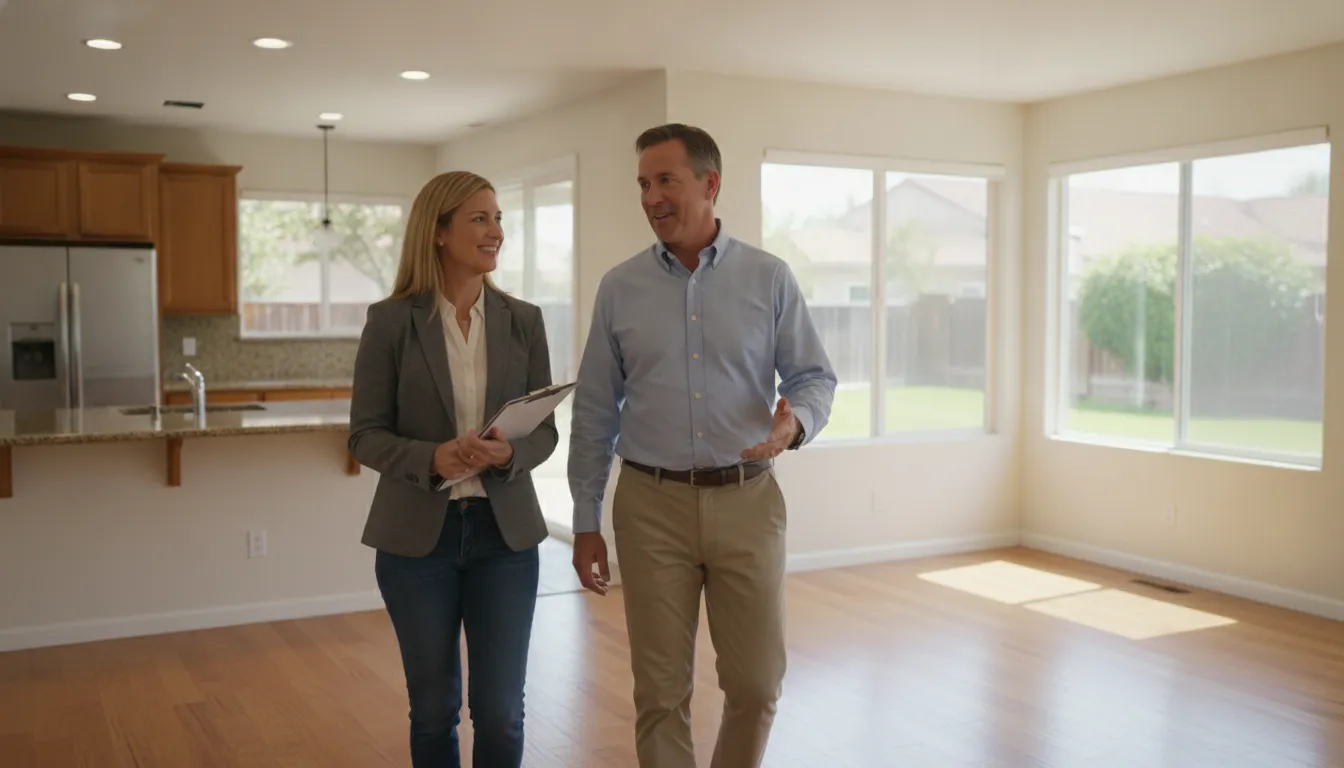
When local knowledge and placement support matter
A local service can add value when the challenge is not simply obtaining a report. It may help coordinate marketing, applicant communication, screening, placement, and the handoff into ongoing management. NL Property Management is Mogul's full-service property-management subsidiary, with more than 30 years of property-management experience. Its stated scope includes tenant screening and placement, rent collection, maintenance coordination, HOA compliance, eviction services, and financial reporting.
That broader model may fit an owner who lives outside the area, owns multiple properties, or wants one accountable workflow after an applicant is selected. Review the local tenant placement support option to understand the services available, rather than evaluating a screening provider on report features alone.
Mogul's Temecula Valley communities resource can also help owners compare the local areas they serve and identify where a property fits within the broader market. Consider your desired level of involvement, geographic reach, and need for ongoing coordination before choosing between a tool, a local partner, or a combination of both.
When Should You Use a Screening Tool, Property Manager, or Both?
A screening tool can help a landlord collect applications and review information. A property manager handles a wider operating process, including screening, placement, rent collection, maintenance coordination, compliance, eviction services, and financial reporting. Use one or both based on your time, experience, portfolio, and need for ongoing support.
- Start with your operational role. If you own one nearby rental and can respond promptly to applicants, vendors, and residents, a screening tool may cover one part of your workflow. If you live farther away, work long hours, or manage several properties, consider broader support.
- Define the task you actually need. A tool generally supports application intake, identity or report workflows, and information review. It does not automatically create a complete leasing, maintenance, rent-collection, or resident-communication system. Write down which responsibilities you will retain.
- Check your process before choosing technology. Establish written, consistently applied criteria, determine how you will document decisions, and confirm current California requirements. Educational resources can help, but a tool does not guarantee that your policy or decision complies with fair-housing rules.
- Use a property manager when the burden extends beyond screening. Owners in Temecula, Murrieta, Wildomar, Menifee, Lake Elsinore, or elsewhere in Riverside County may want local help with placement and ongoing operations. NL Property Management states that it serves Riverside, San Bernardino, San Diego, and Orange counties and provides property management support.
- Combine the two when you need visibility and capacity. Some owners prefer to understand the screening record while delegating leasing and day-to-day management. In that arrangement, clarify who requests reports, communicates with applicants, stores documentation, and sends required notices.
The practical tradeoff is control versus coverage. A tool may leave more decisions and follow-up with you, while full-service management adds an experienced operating partner for responsibilities that continue after an applicant is screened. Compare the complete workflow, not just the report itself.
If you are still deciding whether to delegate, review this guide to find a qualified property manager. Ask about service scope, communication, documentation, and how screening fits into leasing and ongoing management. Those questions matter more than a feature list alone.
For general education only, not legal advice. California landlords should confirm current federal, state, and local requirements with authoritative sources or qualified counsel before applying a screening policy.
Frequently Asked Questions
What should landlords look for in the best tenant screening services?
Look for a clear application workflow, permission-based collection of applicant information, understandable reports, documented criteria, and a consistent way to communicate decisions. A useful service should support the information you actually need, such as credit reports, references. Or other lawful screening inputs, without replacing your responsibility to apply the same policy to every applicant.
Can California landlords use criminal history when screening applicants?
California landlords may have a legitimate interest in evaluating criminal history, but the policy must be carefully designed and consistently applied. Criminal history itself is not a protected characteristic, yet a policy can create an unjustified discriminatory effect. Review current guidance from the California Civil Rights Department before adopting or changing criteria.
How much can a California landlord charge for an application screening fee?
California law limits an application screening fee to the landlord's actual qualifying out-of-pocket costs. The statutory ceiling is $30 per applicant, subject to annual CPI adjustment, and landlords should not charge the fee when they know no rental is available. Confirm the current rule in Civil Code Section 1950.6 before collecting a fee.
Should a Temecula Valley landlord use a screening tool or a property manager?
A screening tool may fit an owner who handles applications, documentation, notices, and follow-up independently. A property manager may be more practical when an owner wants help coordinating screening with placement, rent collection, maintenance, or compliance. Temecula, Murrieta, and neighboring Riverside County owners should compare the full workflow, not just the report itself.
Choosing a screening process that fits your rental goals can make applicant review more consistent and easier to document. Southern California owners may benefit from understanding how tenant screening, placement, and ongoing property management support can work together.
Learn about local tenant screening and property management support