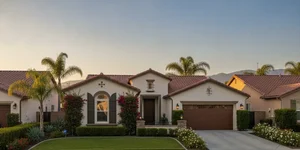
Best Wildomar Neighborhoods for Families: A Local Buyer Guide

Finding the best Wildomar neighborhoods for families starts with your household's everyday needs, not a one-size-fits-all ranking. A home that fits your budget, commute, outdoor space, and routines may be a better match than a neighborhood with a reputation that does not reflect your priorities.
Browse current Wildomar listings
What are the best Wildomar neighborhoods for families?
Families comparing Wildomar communities will find different kinds of everyday appeal rather than one universal best choice. The Farm stands out for organized community communication, Palomar Ridge II for its planned setting in the hills. And the Windsong area for access to a city park with several family-oriented amenities. Use these distinctions as a starting point, then verify each home individually.
The Farm may suit households that value an active homeowners association community. Its official HOA site describes The Farm as a unique, friendly community and highlights a monthly Gazette covering events and happenings. The association also holds monthly meetings, giving members a regular way to stay informed and participate. These features can be useful for buyers who want community updates and a visible association structure.
Review the official Farm HOA information for current details before relying on any community description. The site lists its office at 33430 Harvest Way. But that address should be treated as an orientation point rather than a boundary for every property marketed as part of The Farm.
Palomar Ridge II offers a different setting. Its official HOA page describes the community as a planned development in the hills of Wildomar, with a quiet atmosphere and pleasant surroundings. That positioning may appeal to families who prefer a more tucked-away community character. Buyers should still evaluate the specific home's access, layout, outdoor space, and association requirements instead of assuming every listing offers the same experience.
For families who prioritize a nearby public recreation space, the Windsong area deserves a closer look. The City of Wildomar lists Windsong Park at 35459 Prairie Road. The park includes a tot lot, basketball court, concrete walking path, picnic tables, and three reservable shelters. Those facilities provide practical options for play, casual walks, gatherings, and outdoor time.
Use the City of Wildomar's Windsong Park page to confirm the current amenities and reservation information. Park proximity can vary by address, so compare the actual home's location with the routes your household expects to use.
The Farm: Consider if association communication, community events, and member participation matter to your household.
Palomar Ridge II: Consider if a planned development in a hilly setting and a quiet atmosphere fit your priorities.
Windsong area: Consider if access to a tot lot, court, walking path, picnic tables, and reservable shelters is important.
Before choosing among these settings, verify schools, HOA rules and fees, amenities, and property condition for the exact listing address. School assignments can change or differ within nearby areas, and a community label alone does not confirm eligibility. A careful address-level review will help your family compare the home, not just the neighborhood name.
How should families compare the best Wildomar neighborhoods for families?
The Farm, Palomar Ridge, and Windsong are useful starting points, not a universal ranking. Compare the specific home and address within each setting. The Farm offers an established community association; Palomar Ridge II is described by its HOA as a planned development in Wildomar's hills. Windsong provides a city park reference point, not a guarantee about every nearby property.
Use the same questions for every finalist, then verify answers through the appropriate official source. This approach keeps a neighborhood label from doing too much work and helps relocating families compare actual daily fit.
Home type and layout: Note the property's floor plan, bedroom count, lot, parking, age, condition, and likely maintenance needs.
Daily routes: Test travel to work, school, childcare, groceries, medical care, and activities at the times your household would use them.
School assignment: Use the Lake Elsinore Unified School District official boundary locator with the exact address. Do not rely on a neighborhood name or listing description.
HOA documents: Request current dues, governing documents, rules, assessments, and included amenities before treating shared features as part of the home's value.
Parks and services: Check the City of Wildomar's parks information and confirm how far the home is from the facilities your family would actually use. Windsong Park, for example, has a tot lot, basketball court, walking path, picnic tables, and reservable shelters.
Property condition: Review disclosures, inspect major systems, and separate visible appeal from repairs or upkeep that may affect your budget.
Keep a short scorecard for each address, with columns for strengths, open questions, and verified facts. A home near a park may still be a poor fit if the layout or route does not work. Conversely, a less familiar setting may suit your family once the property-level details are clear.
When two options remain close, compare the trade-offs you can comfortably live with rather than forcing a broad neighborhood verdict. Current listings and Mogul's local listings search guide can help build the shortlist, while official agencies and property documents should resolve address-specific questions.
What does "best" mean for a Wildomar family?
There is no single best neighborhood for every family in Wildomar. A practical match balances the home itself with daily travel, nearby services, outdoor space, and your comfort with the property's costs and upkeep. Start by ranking the factors that matter most to your household, then compare homes against the same list.
One family may prioritize a manageable commute and a low-maintenance yard. Another may want extra bedrooms, room for outdoor play, or space for visiting relatives. Those preferences can point to different streets and home types, even when both households are looking in the same city.
Before touring, write down your three non-negotiables and three preferences. Non-negotiables might include a maximum payment, bedroom count, or accessible route to work. Preferences could include a larger lot, a particular floor plan, or proximity to a park. This distinction keeps attractive but unsuitable listings from taking over your search.
Must-haves: features you cannot reasonably change, such as location or bedroom count.
Trade-offs: features you can accept in exchange for a stronger fit elsewhere.
Unknowns: details to verify, such as school assignment, HOA rules, or utility costs.
For a wider view of available communities, use Mogul's community directory as a starting point, then verify property details for each address. Mogul's new homes in Wildomar guide can add context as your shortlist takes shape.
How can you compare Wildomar areas without relying on a ranking?
Compare the specific homes and blocks you can realistically buy, rather than assuming one named area is universally best. Wildomar includes different property settings and home configurations, and a street-level check can reveal differences that a broad city label misses. Use the same criteria at every showing to make comparisons fair.
Look at listing details for the home type, lot size, age, layout, parking, and any disclosed association. Then visit the surrounding streets at more than one time of day. Notice traffic, sidewalks, lighting, noise, and how easy it feels to reach places your family visits often.
Instead of treating broad labels as guarantees, make a working comparison of settings you encounter in listings:
Setting to compare.What may appeal to a family.What to verify.Established residential streets.Existing homes and a neighborhood layout that is already visible.Home condition, street parking, traffic at busy times, and planned repairs.Newer or planned communities.Layouts or shared features that may suit a particular routine.Association fees and rules, construction nearby, and what amenities are actually included.Homes on larger or more open lots.Potential room for outdoor use, pets, or projects.Maintenance needs, fencing, access, utilities, and any applicable land-use limits.Homes closer to everyday services.Potentially shorter trips for errands or regular activities.Actual drive time, traffic, route safety, noise, and service availability.
This table is a comparison framework, not a claim that every home in a category has the same features. Listings can differ significantly within a few blocks. Confirm the condition and restrictions of the individual property, and do not assume a community feature is included simply because nearby homes advertise it.
For a local starting point, Wildomar's official city departments page describes city functions related to services and community quality of life. The city's Help Center says residents can submit service requests online. These official resources can help you identify where to direct municipal questions; they do not replace address-specific research.
Which home features make everyday family life easier?
The most useful family features are the ones that reduce friction in your regular routine. Consider where people sleep, study, work, store equipment, and gather. A functional layout may matter more than a dramatic feature you will rarely use, especially when you compare the full cost of owning and maintaining each home.
Walk through a property as if it were an ordinary weekday. Where will backpacks land? Can adults prepare meals while keeping an eye on children? Is there a quiet place for homework or remote work? Can a stroller, sports gear, or mobility equipment fit without blocking the main path?
Check whether bedrooms and bathrooms work for the family's current needs and likely near-term changes.
Look for usable storage, laundry access, and a practical place to keep outdoor or sports equipment.
Test the flow between kitchen, dining, living, and yard areas rather than judging room size in isolation.
Ask about maintenance items that could affect time and budget, including roofing, HVAC, drainage, and landscaping.
Outdoor space deserves the same careful review as interior space. Measure how much of a yard is usable, not just its total size. Think about shade, fencing, slope, irrigation, and the time required to maintain it. If a listing mentions a pool or other equipment, ask what condition it is in and what ongoing care it needs.
Use the same visit to check practical access. Look for safe places to enter and exit the property, available parking, and any steps or narrow passages that could complicate daily use. Bring a short checklist and take notes after each showing so a polished presentation does not blur important differences.
How should families check schools and activities?
School fit requires address-specific verification. Do not infer an assigned school from a listing, a nearby campus, or another family's experience. Attendance boundaries, enrollment processes, programs, and availability may change, so confirm the current information directly with the relevant school district before making a decision based on education.
Start by writing down the exact property address and the questions that matter to your household. Ask the district how to confirm the assigned school, what enrollment steps apply, whether capacity or program rules affect placement, and where to find current transportation information. Keep the response and date with your home-search notes.
Families should also compare the full routine around school and activities. Map the route from the home to likely destinations, then consider drop-off, pick-up, after-school activities, and the return trip during the times you would travel. A short distance on a map does not always reflect the time or convenience of a real trip.
Confirm boundaries and enrollment directly with the district using the property address.
Ask about transportation, enrollment windows, and program-specific requirements.
Check routes and timing for school, childcare, sports, and other recurring activities.
Visit public places and facilities yourself to see whether they fit your family's needs.
For city-level background, the U.S. Census Bureau's Wildomar QuickFacts provides community data. Use such general information as context, not as a substitute for checking a particular school assignment, program, or property location.
What should you check about commute, services, and safety?
Test daily routes from the home rather than estimating from a map alone. Drive or travel the routes you expect to use at representative times, and note where congestion, difficult turns, or limited alternatives could affect your schedule. Also consider access to groceries, medical care, childcare, recreation, and other places your household uses regularly.
One useful method is to make a weekly destination list. Include work, school, errands, family visits, and activities. For each finalist, record approximate travel time at the relevant hour, the available route options, and whether the trip feels manageable. If someone in your household does not drive, consider sidewalks, crossings, transit options, and practical access to services.
Do not treat a general impression of a street as a complete safety assessment. Visit at different times, observe lighting and traffic, and use public information from appropriate local agencies when researching issues that matter to you. Ask specific questions about property access or neighborhood conditions, and verify answers rather than relying on informal claims.
City services can be another part of due diligence. Use official sources to identify the correct department for questions about public services or a reported issue. Wildomar's online service-request center offers one municipal path for resident requests. For an active transaction, confirm directly with the city which department handles your particular question.
How do budget and property rules change the right fit?
A family-friendly home must work financially after closing, not just fit the purchase price. Compare the likely monthly payment and ongoing ownership costs for every finalist. Property taxes, insurance, utilities, association dues, repairs, and maintenance can differ from home to home, so ask for current, property-specific information before deciding what fits.
When reviewing a home, separate known costs from estimates and unanswered questions. Ask your lender or other qualified professionals about costs they can explain, and review disclosures and available records for the property. Avoid assuming that a previous owner's bills or a listing estimate will predict your own future expenses.
Association rules may affect pets, parking, exterior changes, or use of shared spaces. If a property is subject to an HOA, request the relevant documents and fees early enough to read them. For a home without an association, still check applicable land-use restrictions and any recorded obligations that could influence planned uses.
Families comparing homes can use a simple budget worksheet:
Record the asking price and the monthly payment estimate supplied by your lender.
Add verified taxes, insurance estimates, utilities, HOA dues, and recurring maintenance.
List immediate repairs or upgrades separately from optional improvements.
Keep a contingency for costs that remain uncertain until inspections and document review.
Property condition can shift the comparison. A lower asking price may come with repair needs or recurring upkeep that does not suit your available time or cash reserves. A move-in-ready home may have a different cost profile. Compare the total picture, and use inspections and appropriate professional advice to investigate risks before contingencies expire.
What is a practical plan for touring Wildomar homes?
A consistent tour plan helps families compare homes calmly and catch questions while there is time to investigate. Review listings first, group showings when practical, and bring the same checklist to every property. After each visit, record what you liked, what you need to verify, and what would make the home a poor fit.
Set your criteria. Choose a workable price range, household needs, preferred location factors, and acceptable trade-offs.
Build a shortlist. Use current listings and community information to identify homes worth examining; do not assume a listing is still available until confirmed.
Preview the surroundings. Check likely routes, nearby services, street conditions, and the feel of the area at relevant times.
Tour with a checklist. Review layout, storage, condition, outdoor space, access, parking, and questions for the seller.
Verify before committing. Confirm school information, fees, restrictions, disclosures, and property-specific details through the appropriate sources.
For broader purchase preparation, Mogul's step-by-step home buying guide can help organize the process. Buyers comparing nearby options can also review the Temecula buyer guide. Buyers relocating from another area can use online listings and remote tours to build an initial shortlist. A remote tour can be useful, but it should not replace careful verification of the home and its surroundings.
As you compare candidates, keep a one-page scorecard. Give each home a simple rating for location fit, layout, condition, route convenience, budget, and unanswered questions. The score is not a substitute for judgment; it is a way to remember why one option seemed stronger after several tours.
How can you narrow your shortlist to the right neighborhood?
Choose a finalist by looking for the strongest overall fit, not perfection in every category. Revisit your must-haves, compare the real costs, and close the most important information gaps. If two homes are close, identify the trade-off you are more comfortable living with over time, not only the feature that stands out during a showing.
Before making an offer, confirm that your household understands the home's condition, location, and relevant documents. Review the available disclosures, ask follow-up questions, and observe any applicable deadlines with your real estate and legal professionals. For school, municipal, insurance, or financial questions, seek information from the responsible organization or a qualified professional.
Families moving from outside the area may benefit from comparing Wildomar with other communities they are considering, rather than assuming a regional reputation tells the whole story. Mogul's communities page can help you explore its service-area locations. Buyers comparing another nearby market can also review Murrieta area listings. Keep the comparison focused on your own commute, budget, preferred home type, and daily routine.
There is no need to settle on a neighborhood label before you know what works. Let the shortlist emerge from current homes, verified details, and real visits. If the information is incomplete, keep the home in a "research further" category instead of forcing a yes-or-no decision too early.
Search Wildomar homes for your family
Frequently Asked Questions
Are there specific Wildomar neighborhoods that are best for families?
The Farm, Palomar Ridge II, and the Windsong area offer different starting points for comparison, but there is not one best choice for every household. Home features vary by address, so compare budget, routines, layout, travel needs, HOA documents, and verified school or service information instead of relying on a blanket ranking.
How can I verify which school serves a Wildomar home?
Contact the relevant school district with the exact property address. Confirm the current boundary, enrollment steps, and any program or capacity requirements directly, because a nearby school or a listing description is not proof of assignment.
What should I look for during a neighborhood visit?
Visit at times that reflect your routine. Observe traffic, lighting, parking, sidewalks, noise, access, and the routes to regular destinations. Note questions to verify with the city, school district, seller, or other appropriate source.
How do I compare two homes that both seem like a good fit?
Use one scorecard for both. Compare total expected costs, layout, property condition, travel routines, outdoor-space needs, and unresolved questions. Then decide which trade-offs your family is more willing to live with over the long term.
Can I search for Wildomar homes before I visit in person?
Yes. Online listings can help you build an initial shortlist, and remote tours may help when you are relocating. Confirm availability and property details, and plan an in-person visit or appropriate independent review before relying on a remote impression to make a decision.
The best Wildomar home for your family is the one that fits your real priorities after you have checked the property. The surrounding routines, and the costs with care.

| Setting to compare. | What may appeal to a family. | What to verify. |
|---|---|---|
| Established residential streets. | Existing homes and a neighborhood layout that is already visible. | Home condition, street parking, traffic at busy times, and planned repairs. |
| Newer or planned communities. | Layouts or shared features that may suit a particular routine. | Association fees and rules, construction nearby, and what amenities are actually included. |
| Homes on larger or more open lots. | Potential room for outdoor use, pets, or projects. | Maintenance needs, fencing, access, utilities, and any applicable land-use limits. |
| Homes closer to everyday services. | Potentially shorter trips for errands or regular activities. | Actual drive time, traffic, route safety, noise, and service availability. |